

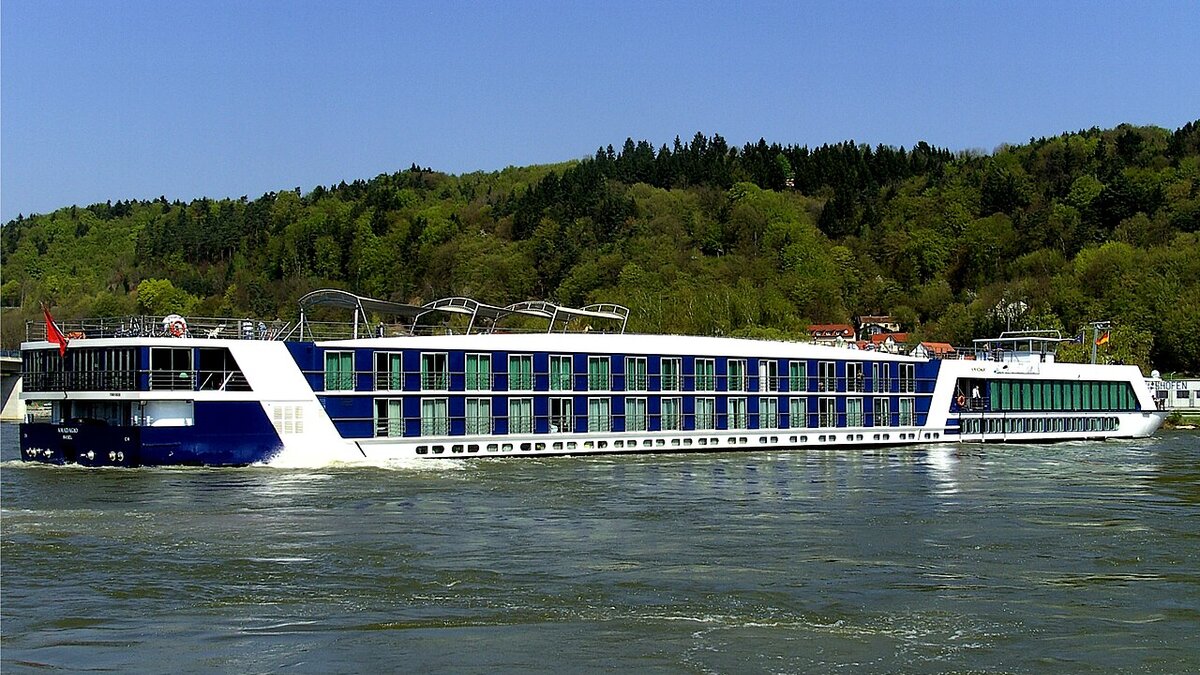
European river cruising carried a record 1.49 million passengers in 2024 and keeps growing. This guide compares Rhine, Danube, Douro and Seine itineraries, explains pricing and inclusions, and shows how to manage low-water risk.
Cover image: a river cruise vessel sailing past castles and vineyards on a European river — photo by High Contrast, CC BY 3.0 de, via Wikimedia Commons.
European river cruising is the fastest-expanding corner of the cruise business, and the numbers explain why the industry is pouring capital into it. The continent's river fleet carried 1.49 million passengers in 2024, an 8% year-on-year rise, with revenue up 5% to €3.73 billion, according to an IG RiverCruise/University of Passau market study reported by trade outlet Seatrade Cruise. A typical seven-night Europe river cruise sells for US$3,500 to US$7,500 per person, or roughly $400 to $1,000 per person per day, per pricing tracked by specialist site River Cruise Advisor. The four rivers that dominate bookings each suit a different traveller: the Rhine for castles and first-timers, the Danube for imperial capitals, the Douro for wine country and warm-weather sailing, and the Seine for Paris, Normandy and history. The main operational caveat is water: the Middle Rhine in particular can run too shallow in late July and August, so a sound booking strategy pairs the right river with the right month.
Why is European river cruising booming?
Demand has outpaced the wider travel recovery because river cruising answers two of the decade's strongest travel preferences: small-group, culture-led touring and predictable, near-all-inclusive pricing. Ships carry roughly 100 to 190 guests, dock in city centres rather than industrial ports, and unpack-once convenience appeals strongly to the 55-plus market that still anchors bookings, even as multigenerational and solo travel grows.
Supply is responding aggressively. The 2026 season alone brings AmaWaterways' 24th European vessel AmaSofia, Uniworld's Klimt-inspired S.S. Emilie on the Danube, the hybrid-powered Amadeus Aurea and Trafalgar's first two river ships, according to TravelAge West's 2026 new-ship roundup. Bigger still, upscale ocean line Celebrity Cruises plans 20 new river ships in Europe over the next five years, AFAR reports, a signal that ocean brands see rivers as their next growth engine. That expansion mirrors the record demand being logged across the wider industry, covered in our report on the cruise sector's record 2026 passenger numbers.
Rhine, Danube, Douro or Seine: which river cruise is best?
Most first-timers choose between four core itineraries. The classic Rhine run sails seven nights between Amsterdam and Basel, threading the castle-lined Middle Rhine gorge past Cologne, Rüdesheim and Strasbourg. The Danube standard links Germany with Budapest via Vienna, Bratislava and the vineyard terraces of the Wachau Valley. The Douro is a Portugal-only loop from Porto through terraced port-wine country, usually with a day trip to Salamanca in Spain. The Seine round-trips from Paris into Normandy, pairing Rouen and Giverny with the D-Day landing beaches.
| River | Classic route | Signature stops | Best suited to | Low-water exposure |
|---|---|---|---|---|
| Rhine | Amsterdam–Basel, 7 nights | Cologne, Rhine Gorge, Strasbourg | First-timers, castle scenery | Highest (Kaub pinch point, late summer) |
| Danube | Germany–Budapest, 7 nights | Vienna, Wachau Valley, Budapest | Music, history, imperial cities | Moderate (shallow stretches in dry spells) |
| Douro | Porto round trip, 7 nights | Régua, Pinhão, Salamanca excursion | Wine lovers, warm-weather seekers | Low (dam-controlled river) |
| Seine | Paris round trip, 7 nights | Rouen, Giverny, Normandy beaches | History buffs, Paris add-ons | Low to moderate |
River cruise vs ocean cruise: what actually differs?
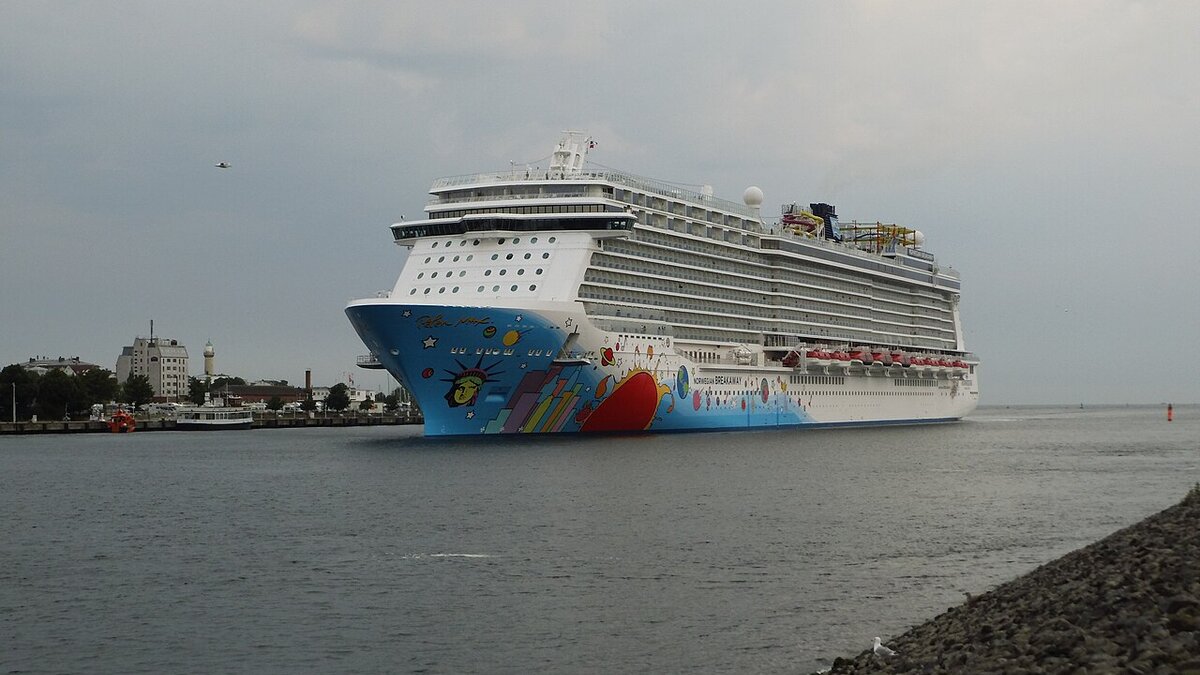
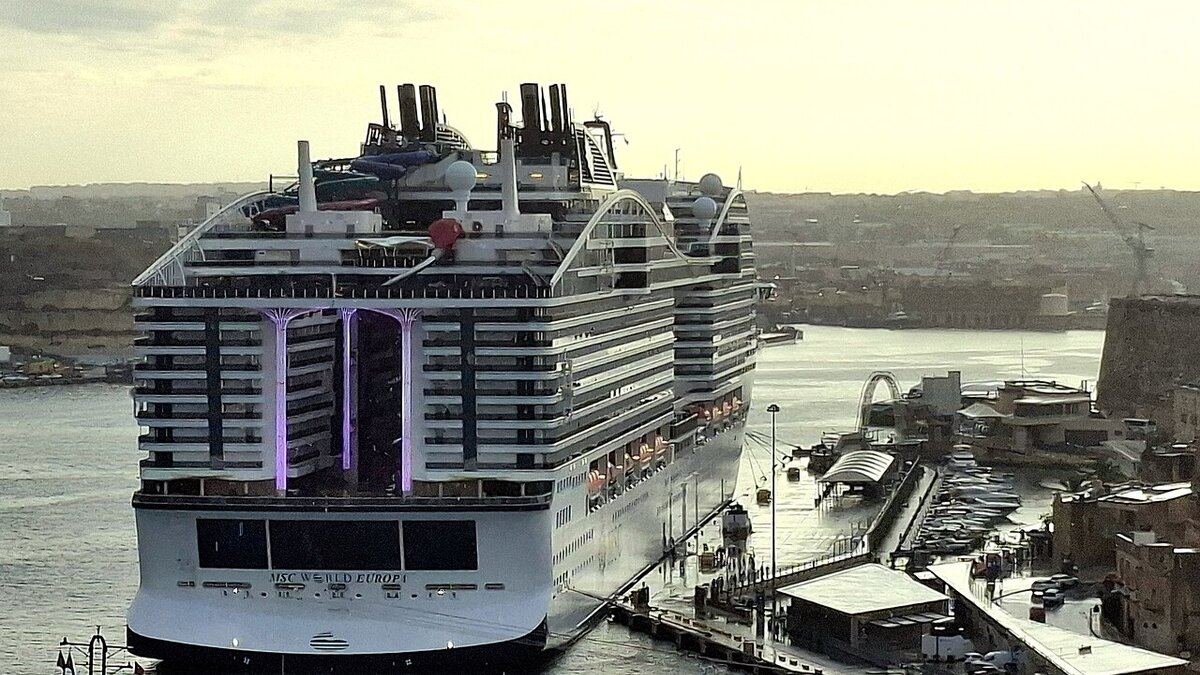
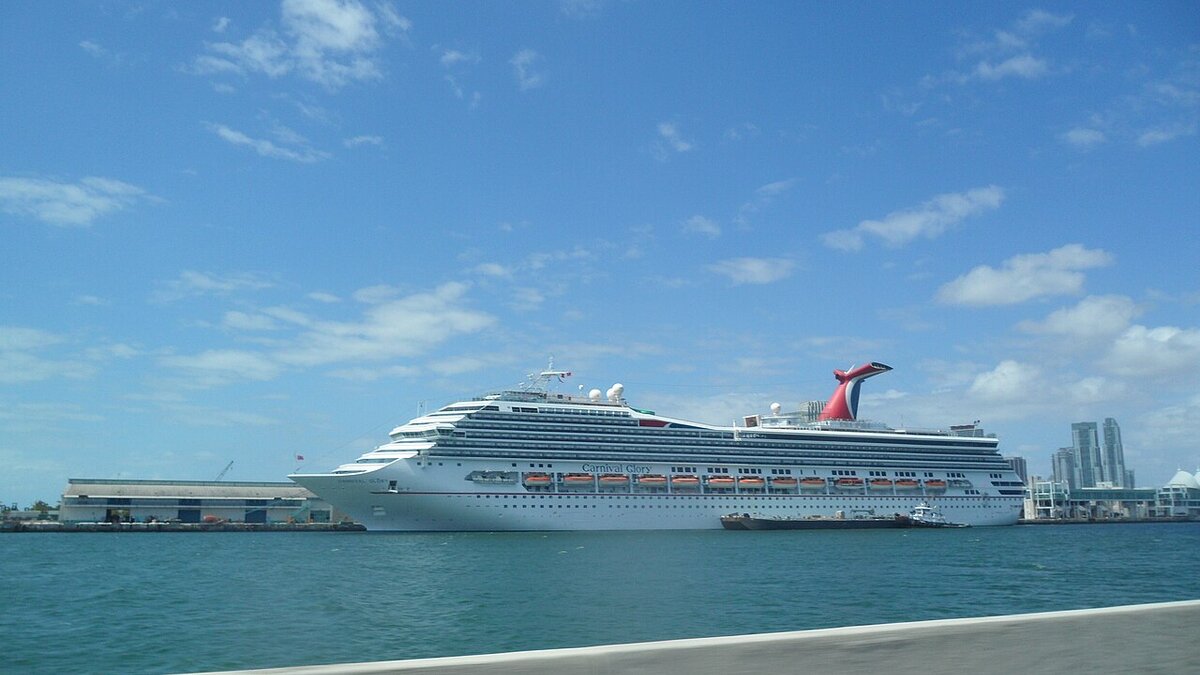
The two products barely compete. Lock dimensions cap Rhine and Danube vessels at around 135 metres, so river ships max out near 190 guests while the largest ocean megaships carry more than 5,000. That scale gap changes everything: river ships have no casinos, few children and one main restaurant, but they dock in the heart of Vienna or Cologne and include shore excursions that ocean lines sell separately.
Itineraries are destination-dense: a new town most days, minimal sea-day downtime and shore time measured in hours rather than a lunchtime turnaround. The trade-off is cost per night, which runs well above mainstream ocean fares, and far fewer onboard facilities. Travellers weighing a first sailing of either kind can start with our first-time cruise guide.
How much does a Europe river cruise cost, and what is included?
River Cruise Advisor's 2026 pricing survey groups the market into three tiers: value lines such as Viking, CroisiEurope and Riviera at up to roughly $600 per person per day; premium brands including AmaWaterways, Avalon and Emerald around $800; and luxury players Uniworld, Scenic, Tauck and Riverside above that. Viking's own advance bookings for 2026 were tracking at about $885 per passenger cruise day, up 4% year on year, the same outlet reported.
Headline fares mislead unless inclusions are compared line by line. Typical packages cover:
- Almost always included: all meals, wine and beer with lunch and dinner, Wi-Fi and at least one guided excursion per port.
- Included only at the luxury tier: gratuities, premium drinks all day, airport transfers and unlimited excursion choices (Uniworld, Scenic, Tauck).
- Usually extra: flights, travel insurance, spa treatments and optional premium excursions.
Because gratuities and drinks can add $800 to $1,200 per couple on a seven-night sailing, a luxury fare's real premium over a value line is often smaller than the brochure gap suggests.
When should you sail, and how big is the low-water risk?
Low water is river cruising's structural weakness, concentrated on the Middle Rhine gauge at Kaub between Koblenz and Mainz. Cruise Critic's guidance identifies late July through August as the most likely window for disruption, when hot, dry summers shrink the navigable channel. When ships cannot pass, lines typically bus guests between vessels positioned either side of the shallow stretch, substitute coach touring or, in rare cases, use hotel nights; itineraries are altered far more often than cancelled.
Book spring (April–June) or autumn (September–October) for the Rhine and Danube, when snowmelt and seasonal rain keep levels healthier and city crowds thinner, a logic that matches the broader case in our shoulder-season strategy guide. Choose the dam-controlled Douro if sailing in high summer. And read the line's water-level policy before paying: compensation for bus substitutions varies widely. Shoulder-season timing has a second benefit in 2026, as several port cities tighten rules on visitor pressure amid Europe's hardening overtourism backlash.
Frequently asked questions
Is a river cruise worth it for younger travellers?
Increasingly yes, though the core market remains 55-plus. Lines are adding active excursions such as cycling and hiking, and brands like Avalon and Emerald skew slightly younger. Anyone wanting nightlife, pools and big-ship entertainment will still be happier on an ocean ship.
What happens if water levels stop my river cruise?
Most lines swap guests between identical sister ships positioned either side of the impassable stretch, or substitute coach transfers and hotel nights. Full cancellations are rare, and compensation policies differ by operator, so check the water-level clause in the booking conditions before you pay.
Which European river is best for a first river cruise?
The Rhine's Amsterdam–Basel route is the consensus starter: one week, dense castle scenery, easy flight access at both ends and the widest choice of ships and price points. The Danube is the strongest alternative for travellers who prioritise Vienna and Budapest over landscapes.

Post a comment