AI-driven dynamic pricing is replacing the airline industry's decades-old 26-bucket fare system. Here is how continuous pricing works, what moves fares in real time, where the personalised-pricing debate stands with US regulators, and how travellers should book.
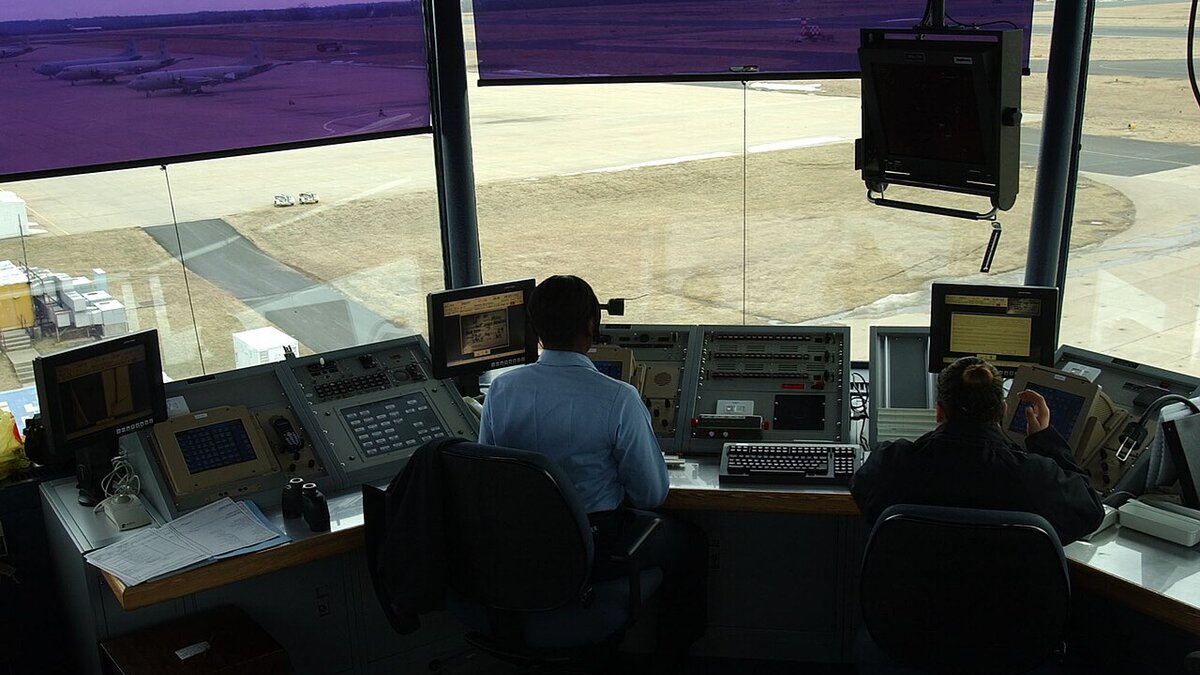
Cover image: real-time airline pricing data on a screen — photo by Colin, CC BY-SA 4.0, via Wikimedia Commons.
Airline dynamic pricing AI works by replacing the industry's decades-old system of 26 fixed fare buckets with algorithms that can generate a near-infinite range of price points in real time. Airline trade body IATA estimates that around 80% of its member airlines already use some form of dynamic pricing, from simple rules-based adjustments to machine-learning systems that ingest live shopping data. The highest-profile example is Delta Air Lines, which began live-testing an AI pricing engine built by Israeli firm Fetcherr in April 2025 on about 3% of its domestic fares, with president Glen Hauenstein setting a target of 20% by the end of that year. Delta insists the system uses only aggregated route and demand data, not personal profiles — but the rollout drew a US Department of Transportation warning and, by early 2026, more than 40 bills across at least 24 US states targeting so-called surveillance pricing. For travellers, fares now move more often, in smaller increments, and differ between booking channels.
How did airlines price tickets before AI?
For roughly four decades, airline revenue management ran on reservation booking designators (RBDs), the letter codes such as Y, B and M that divide each cabin into a maximum of 26 booking classes. Fares were filed in advance through ATPCO, the airline-owned fare database, and a revenue-management system decided how many seats to release into each bucket as departure approached.
The result was pricing that moved in visible steps: when the cheapest bucket sold out, the fare jumped to the next filed level. That step-ladder structure is the foundation of the distribution system we unpack in our guide to how airline ticketing, GDSs and IATA settlement really work — and exactly the constraint AI systems are built to remove.
What is continuous pricing and why does NDC matter?
Continuous pricing lets an airline quote any price point along a demand curve rather than snapping to the nearest of 26 filed fares. If the optimal fare sits between two buckets, say between $203 and $224, the airline can offer $211. IATA promotes the approach under its Dynamic Offers and Modern Airline Retailing programmes, and industry studies point to revenue gains of roughly 1–3% for adopters, meaningful in a business where net margins are wafer-thin.
The catch is distribution. Legacy GDS channels were built around filed fare classes, so continuous prices flow mainly through NDC (New Distribution Capability) connections and airline websites. Lufthansa Group was the first major group to switch on continuous pricing across its NDC channels, using PROS technology; Air France-KLM has since committed to Amadeus's Nevio retailing platform. Industry tracking cited by Aerospace Global News put NDC at about 21% of airline-processed transactions in December 2025, which is why the same flight can show different prices in different sales channels.
What actually moves airfares in real time?
Modern pricing engines re-optimise continuously rather than a few times a day. The main inputs are aggregate signals, not your personal browsing history:
- Live search-and-shop volume on a specific flight and date, the strongest short-term demand signal.
- Seats already sold versus the forecast booking curve for that departure.
- Competitor fares on the same city pair, scraped and matched in near real time.
- Days to departure, still the single biggest structural driver of price.
- Events and seasonality, from school holidays to demand spikes like the ones surrounding the FIFA World Cup 2026 travel surge.
- Cost inputs, notably fuel: as we reported in our analysis of why jet fuel is pushing 2026 airfares higher, cost shocks feed through to the floor under fares.
Is AI airline pricing personalised? The Delta debate and DOT scrutiny
The mid-2025 controversy turned on a crucial distinction: dynamic pricing (everyone sees the same price, which changes over time) versus personalised or "surveillance" pricing (different people see different prices based on their data). After Hauenstein's comments about the Fetcherr rollout, Senators Ruben Gallego, Richard Blumenthal and Mark Warner wrote to Delta CEO Ed Bastian in July 2025 raising concerns about fares "tailored to an individual consumer's willingness to pay". Delta's chief external affairs officer Peter Carter responded that the engine uses only aggregated purchasing and demand data and that no Delta fare product targets individuals with personalised prices.
Transportation Secretary Sean Duffy said the DOT would investigate any airline that individualised fares using personal data. The pressure has since shifted to statehouses: Skift reported in February 2026 that at least 24 states were advancing algorithmic-pricing bills, and New York's Algorithmic Pricing Disclosure Act (in force since July 2025) already requires sellers to disclose when a price was set using personal data.
| Pricing model | How the price is set | Status in 2026 |
|---|---|---|
| Classic fare buckets | Up to 26 pre-filed fares per cabin; system opens/closes classes | Still the backbone of GDS distribution |
| Dynamic adjustment | Algorithms tweak filed fares using live demand and competitor data | Used by ~80% of IATA member airlines |
| Continuous pricing | Any price point on a demand curve, delivered via NDC/direct channels | Live at Lufthansa Group, Air Canada and Delta (scaling) |
| Personalised pricing | Individual prices based on personal data | Denied by carriers; target of DOT warnings and 40+ state bills |
How should travellers book when an algorithm sets the fare?
Algorithmic pricing rewards process over folk wisdom about magic booking days. The booking-window evidence we examine in our guide to the best time to book flights still holds: book domestic trips one to three months out and long-haul three to six months out, because days-to-departure remains the dominant pricing input no matter how clever the engine.
Beyond timing, compare channels, since continuous prices on an airline's website or NDC-connected agency can differ from GDS-filed fares. Set fare alerts rather than repeatedly re-searching one route, be flexible on dates, and remember that flying in quieter periods structurally beats peak weeks, a case we make in our shoulder-season strategy guide. Because engines reprice in both directions, a fare that spikes today can fall back tomorrow — alerts catch those dips.
Frequently asked questions
Do airlines charge me more because I searched the same flight twice?
There is no credible evidence that major airlines raise fares for an individual based on repeat searches or cookies, and carriers including Delta explicitly deny it. Fares that jump between searches almost always reflect a fare bucket closing or the algorithm repricing for everyone. Clearing cookies rarely changes anything.
Is AI dynamic pricing legal?
Yes. Adjusting prices with demand is long-established practice in airlines and hotels alike. What regulators are scrutinising is personalised pricing built on individual data: New York already requires disclosure when personal data sets a price, and dozens of state bills would restrict the practice further.
Does AI pricing mean fares only go up?
No. Continuous pricing lets airlines quote fares below the old cheapest bucket when demand is soft, and Lufthansa Group marketed its NDC continuous-pricing launch partly on lower entry fares. Averages may rise on high-demand flights, but discounts on weak ones get deeper and faster.