Tata Sons chairman N Chandrasekaran told Air India staff to rebuild trust and tighten costs at a Sept 7 town hall, citing a record Rs 22,000 crore loss and setting a beat-the-best safety bar.
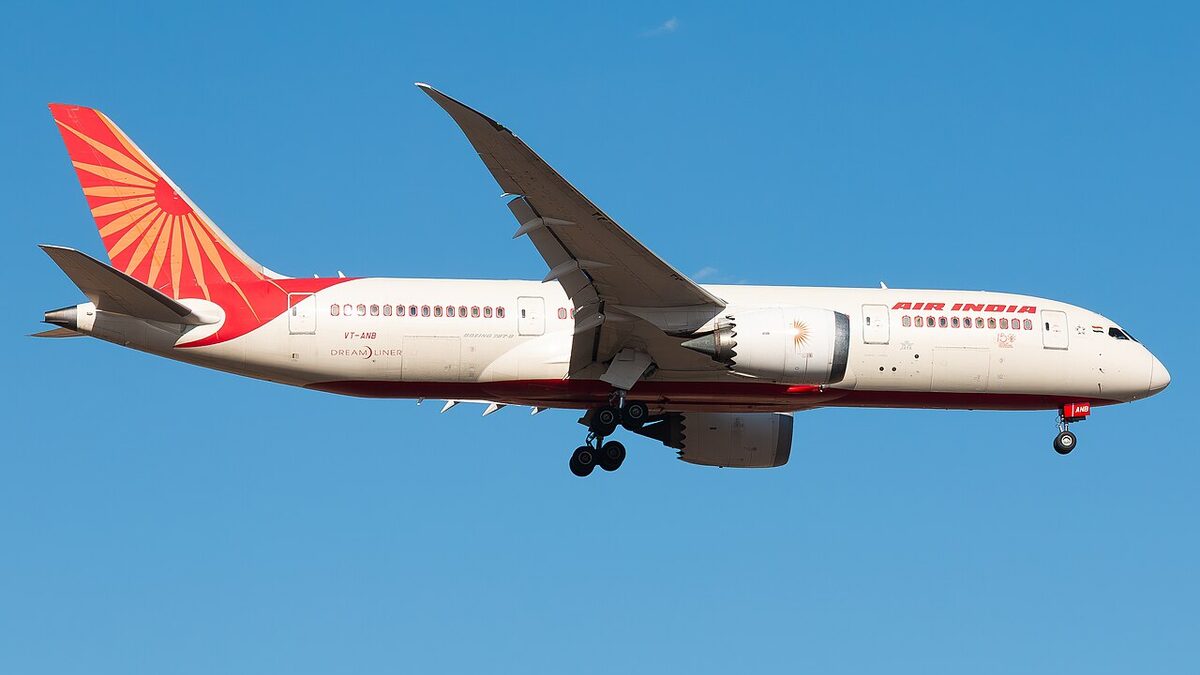
Cover image: an Air India Boeing 787 Dreamliner in flight — photo by RyanZ225 PC, CC BY-SA 4.0, via Wikimedia Commons.
Tata Sons chairman N Chandrasekaran has told Air India it must win back passenger trust and tighten spending, in his first town hall since announcing he will step down in February 2027. Addressing staff on September 7 alongside incoming chief executive Tewolde Gebremariam, Chandra named "customer trust, operational execution and cost discipline" as the priorities, and set a blunt safety bar: "Our safety record should not just match the best airlines in the world, it should be better than the best."
Why this town hall matters now
The address lands after 18 months of turbulence marked by geopolitical disruption, airspace closures, fuel price swings and a fatal crash last year. Scrutiny sharpened further after a recent Airbus A320 suffered a sudden altitude drop and its pilot later tested positive for illegal drugs. Chandra is also preparing to hand over leadership of Tata Sons itself, so the town hall doubled as a statement of what the turnaround must look like after he leaves.
The leadership transition is already in motion. Tewolde, who built Ethiopian Airlines into Africa's biggest and most profitable carrier, has spent a month meeting Tata Group leaders and takes over as CEO and managing director once regulators approve. Read our earlier report on Tewolde taking charge at Air India.
The numbers behind the warning
Chandra's message comes with hard figures. The airline posted a record loss of 220 billion rupees (about $2.3 billion) last fiscal year, and the turnaround has previously been described as a ten-year project. Relief is close: the carrier is near securing 100 billion rupees in support from owners Tata Sons and Singapore Airlines.
That funding line connects to the Singapore end of the story, where ministers have publicly defended the city-state's backing for the Air India bet. See our coverage of Singapore's call on the Air India investment and the earlier Air India $1.1 billion funding round for the financing background.
What "better than the best" means in practice
Safety credibility is the airline's scarcest asset. Beyond the A320 drug-test incident, the carrier's recent record includes operational scares that made national headlines, including the two Air India Express mid-air scares in September. Chandra's demand that the safety record beat the world's best sets a measurable test for the incoming CEO: incident rates, audit scores and on-time performance will show within quarters whether the town-hall rhetoric is converting into operational execution.
Cost discipline is the other half. With record losses and a decade-long repair job acknowledged by management, tighter financial controls are the condition for the Tata-SIA money to do its work rather than fund more of the same.
| Air India turnaround fact | Figure |
|---|---|
| Last fiscal loss | Rs 220 billion (~$2.3 billion), a record |
| Owner support near close | Rs 100 billion (Tata Sons + Singapore Airlines) |
| Chairman's exit | February 2027 |
| Incoming CEO | Tewolde Gebremariam (ex-Ethiopian Airlines), pending approvals |
| Turnaround horizon | Described as a ten-year project |
Frequently asked questions
What did Chandrasekaran tell Air India staff?
At a September 7 town hall, he said the airline must rebuild customer trust, sharpen operational execution and enforce cost discipline, adding that its safety record should be better than the world's best airlines.
When does Chandrasekaran leave?
He announced he will step down in February 2027, and is also preparing to hand over leadership of Tata Sons. The town hall was his first staff address since that announcement.
Who is the new Air India CEO?
Tewolde Gebremariam, the former Ethiopian Airlines chief who built it into Africa's largest and most profitable carrier. He takes over as CEO and managing director once regulatory approvals land.
How bad are Air India's losses?
The carrier lost a record 220 billion rupees (about $2.3 billion) last fiscal year. It is close to securing 100 billion rupees in fresh owner support from Tata Sons and Singapore Airlines.