GE Aerospace will buy castings maker CPP for $11.75B to secure engine-output capacity. Deal terms, CPP profile, closing timeline and why it matters for aircraft deliveries.
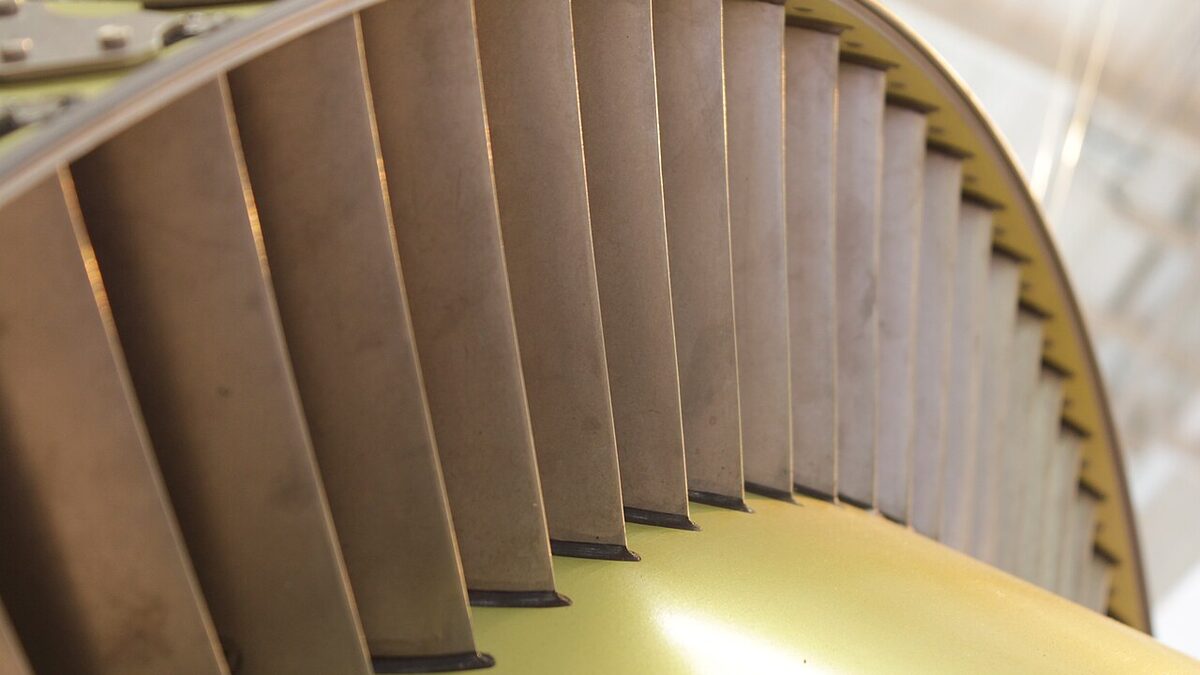
Cover image: close-up of jet engine turbine blades — photo by M0tty, CC BY-SA 3.0, via Wikimedia Commons.
GE Aerospace agreed on September 8 to buy Consolidated Precision Products (CPP) for $11.75 billion, funded with $7 billion in cash and new borrowing. It is a vertical-integration bet: by owning one of the industry's key casting houses, GE wants to secure the mission-critical parts that set the pace for commercial engine output, aftermarket work and defence demand into the 2030s.
What GE is buying
CPP, based in Cleveland, Ohio, makes cast parts from superalloys, titanium, aluminium, magnesium and steel for commercial and military aircraft, weapons, business and regional jets, helicopters and industrial turbines. The company employs about 6,600 people across 20 sites worldwide and has supplied GE for more than 15 years. Its owners are private-equity firms Warburg Pincus, which bought it from Arlington Capital Partners in 2011 for a reported $459 million, and Berkshire Partners, which became co-majority owner in 2019. Since then CPP has added Esco Turbine Technologies, two Polish plants, Selmet, Pacific Cast Technologies, Poly6 Technologies and Air Power Dynamics.
The price values CPP at about 18 times 2027 pre-tax earnings including expected synergies, or around 26 times without them. GE expects the deal to add to adjusted earnings per share and free cash flow in the first year, and to close in the second half of 2027 subject to regulators. Chief executive Larry Culp said he does not anticipate antitrust problems.
Why castings are the chokepoint
Casting and forging supply is described as perhaps the greatest chokepoint for aerospace and defence as the industry strains to raise output. CPP sits alongside Howmet Aerospace and Precision Castparts among the suppliers that matter for large, difficult-material structures. Culp called the deal "an opportunity to invest in a mission-critical commodity, casting," and said combining GE technology and its FLIGHT DECK operating system with CPP's manufacturing experience should expand capacity, improve performance and accelerate new engine technologies for current and next-generation products, with an emphasis on airfoils for better high-temperature performance.
For travellers, this is the factory floor behind the delivery delays they already feel: when castings stall, engine output stalls, and airlines wait longer for new aircraft. Our reporting on the aviation supply-chain crisis keeping older fleets flying and the Airbus-Boeing delivery race traces that link, as does the FAA's recent engine-blade directive for A320-family jets.
| GE-CPP deal fact | Figure |
|---|---|
| Purchase price | $11.75 billion ($7B cash + debt) |
| Valuation | ~18x 2027 pre-tax earnings with synergies |
| CPP workforce | ~6,600 employees, 20 sites |
| Sellers | Warburg Pincus, Berkshire Partners |
| Expected close | H2 2027, pending approvals |
| Year-one effect | Accretive to adjusted EPS and free cash flow |
Frequently asked questions
How much is GE paying for CPP?
$11.75 billion, funded with $7 billion in cash plus new borrowing. That is about 18 times CPP's expected 2027 pre-tax earnings including synergies, or 26 times without them.
What does Consolidated Precision Products make?
Advanced cast parts from superalloys, titanium, aluminium, magnesium and steel used across commercial and military aircraft, weapons, business jets, helicopters and industrial turbines. It employs about 6,600 people at 20 sites.
When will the deal close?
GE expects completion in the second half of 2027, subject to regulatory approvals. CEO Larry Culp said he does not expect antitrust issues.
Why does this matter for air travellers?
Castings are the industry's tightest supply chokepoint. Owning casting capacity should let GE raise engine output faster, and slow engine output is one reason airlines wait longer for new aircraft while older fleets keep flying.