Chennai handled two full-emergency diversions on September 7 while details emerged of an Air India Express engine shutdown near Kochi a week earlier. All three aircraft landed safely.
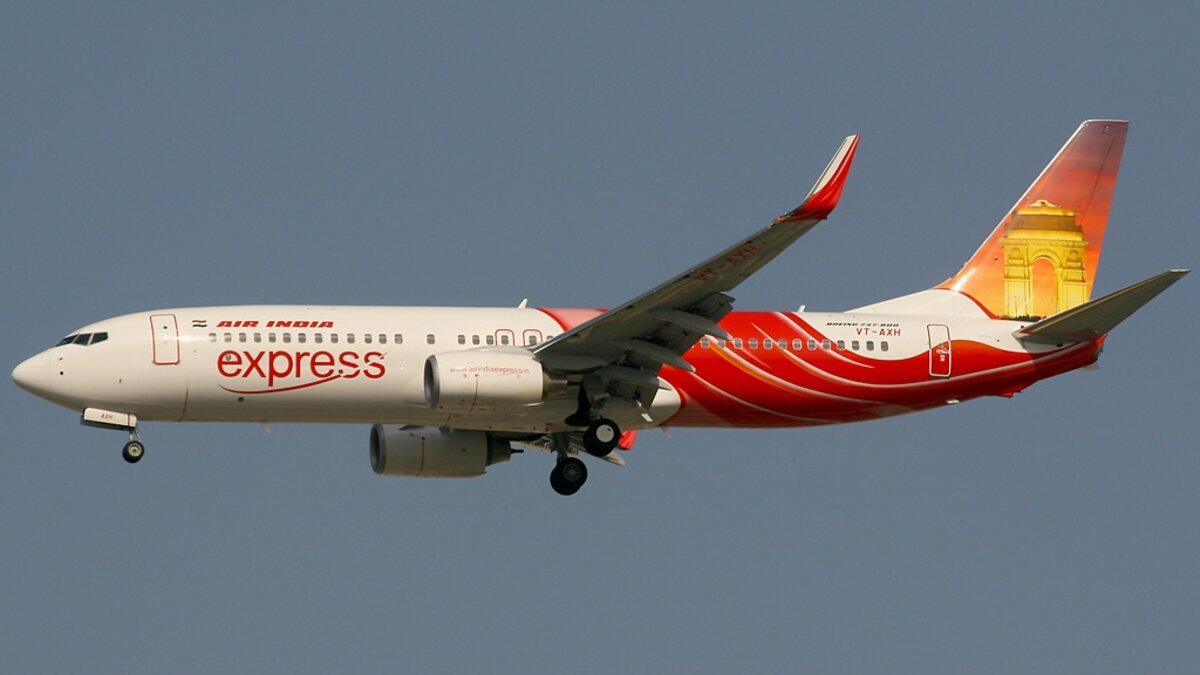
Cover image: An Air India Express Boeing 737 in flight (Konstantin von Wedelstaedt, GFDL 1.2, via Wikimedia Commons) — photo by Konstantin von Wedelstaedt, GFDL 1.2, via Wikimedia Commons.
Chennai airport handled two full-emergency landings on Monday, September 7, as an Air India Express flight from Tiruchirappalli to Singapore and a Malaysia Airlines flight from Kuala Lumpur to Jeddah both diverted with mid-air technical faults. Hours earlier, details emerged of a separate Air India Express engine shutdown near Kochi a week ago. All three aircraft landed safely and no injuries were reported in any of the incidents.
The Singapore-bound Air India Express flight IX 682, carrying 180 passengers and crew, developed a technical problem en route from Tiruchirappalli and the pilot alerted air traffic control, prompting Chennai to declare a full emergency as a precaution. The aircraft landed safely and is now undergoing inspection by the airline's technical team, NDTV Profit reported.
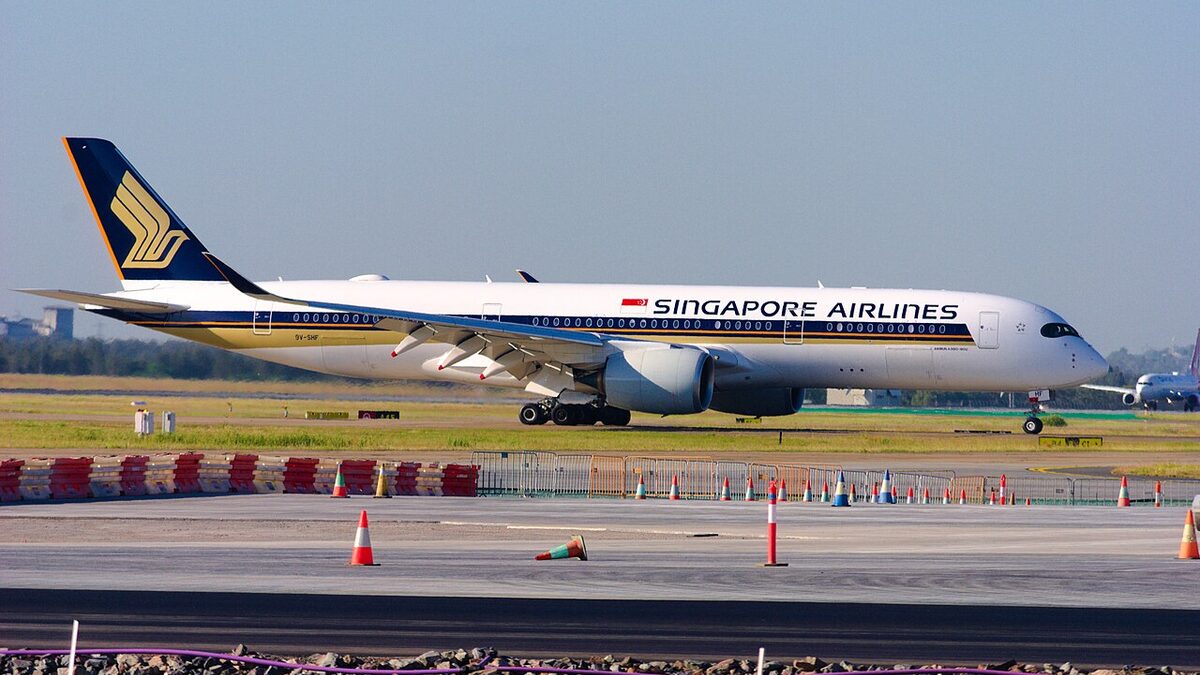
Chennai's second diversion was Malaysia Airlines flight MH 156 from Kuala Lumpur to Jeddah with 186 people on board, which reported a technical issue with its Engine No. 2. The aircraft landed safely, was towed to a parking bay, and passengers were given temporary accommodation at the airport before being shifted to a nearby hotel, the Press Trust of India reported. Engineers are assessing both aircraft before they return to service.
What happened on the Kochi to Abu Dhabi flight?
The Kochi incident, flight IX 415, actually occurred about a week before it was reported. An Air India Express Boeing 737 operating Kochi to Abu Dhabi was around 50 minutes into its sector and cruising at 36,000 feet when pilots noticed Engine No. 1 oil quantity falling rapidly. The crew ran a FORDEC assessment (facts, options, risks, decision, execution, check) and turned back toward Kochi, informing air traffic control via Mumbai Radio on high frequency.
Roughly 45 minutes into the return, the oil pressure began fluctuating and entered the red zone on the cockpit gauge. The crew worked the Non-Normal Checklist and shut the engine down, completing a single-engine, overweight landing at Cochin. Passengers were reportedly unaware of how serious the cockpit situation had become.
An airline spokesperson confirmed the account but stressed the timeline: "A week ago, one of our Kochi-Abu Dhabi flights made an air turnback in line with established safety protocols. Guests were subsequently connected to Abu Dhabi on an alternative aircraft." The spokesperson added that reports without the timeline and context risk causing unnecessary concern.
Why is Air India Express under extra scrutiny?
The incidents land days after Tewolde Gebremariam took charge at Air India vowing to put safety first, with chairman N. Chandrasekaran demanding a safety record better than the world's best. They also follow the Phuket-Delhi hydraulic failure that saw a pilot sacked, on which the Aircraft Accident Investigation Bureau has now released preliminary findings after Airbus technical experts inspected the aircraft over three days.
It has been a hard week for Indian aviation operations overall: drones recently forced seven flight diversions at Amritsar airport. After the Phuket incident, Civil Aviation Minister Ram Mohan Naidu said the regulator would increase the annual share of psychoactive-substance tests for flight crew, and official comment from the Directorate General of Civil Aviation on the Kochi shutdown is still awaited.
Investigators and airlines will also have an eye on November, when the US Federal Aviation Administration is expected to conduct its next International Aviation Safety Assessment of India's oversight system, the last major one having taken place in October 2021.
The three incidents at a glance
| Flight | Route | What happened | Outcome |
|---|---|---|---|
| IX 682 (Air India Express) | Tiruchirappalli to Singapore | Mid-air technical fault on September 7; full emergency at Chennai | Landed safely; 180 on board unhurt |
| MH 156 (Malaysia Airlines) | Kuala Lumpur to Jeddah | Engine No. 2 issue on September 7; full emergency at Chennai | Landed safely; 186 on board unhurt |
| IX 415 (Air India Express) | Kochi to Abu Dhabi | Engine oil pressure failure about a week earlier; engine shut down | Single-engine landing at Cochin; all safe |
Frequently asked questions
What happened on Air India Express flight IX 682?
Flight IX 682 was operating from Tiruchirappalli to Singapore on September 7, 2026, with 180 passengers and crew, when a mid-air technical problem forced it to divert to Chennai. The pilot alerted air traffic control, the airport declared a full emergency as a precaution, and the aircraft landed safely. Airline engineers are inspecting it.
What went wrong on the Kochi to Abu Dhabi flight?
On flight IX 415 about a week earlier, the crew of a Boeing 737 detected rapidly falling oil quantity in Engine No. 1 at 36,000 feet and turned back to Kochi. When oil pressure later entered the red zone, they shut the engine down and made a safe single-engine landing at Cochin. The airline says the turnback followed established safety protocols.
Was anyone hurt in these incidents?
No. No injuries were reported on the Kochi, Chennai or Malaysia Airlines diversions. On the Kochi flight, passengers were reportedly unaware of the seriousness of the developing engine problem, and all three aircraft landed without further incident.
What does a full emergency at an airport mean?
A full emergency is a precautionary alert level at Indian airports: fire tenders, ambulances and response teams take position along the runway before a distressed aircraft lands. It does not mean a crash is expected. Chennai declared one for both the Air India Express and Malaysia Airlines arrivals on September 7.