OIKN created a disaster team on 5 Sep 2026 for Nusantara in East Kalimantan as dry-season fire and drought risks rise, with Sepaku-Semoi reservoir cloud seeding, mask advice for schools and borehole drilling late September.
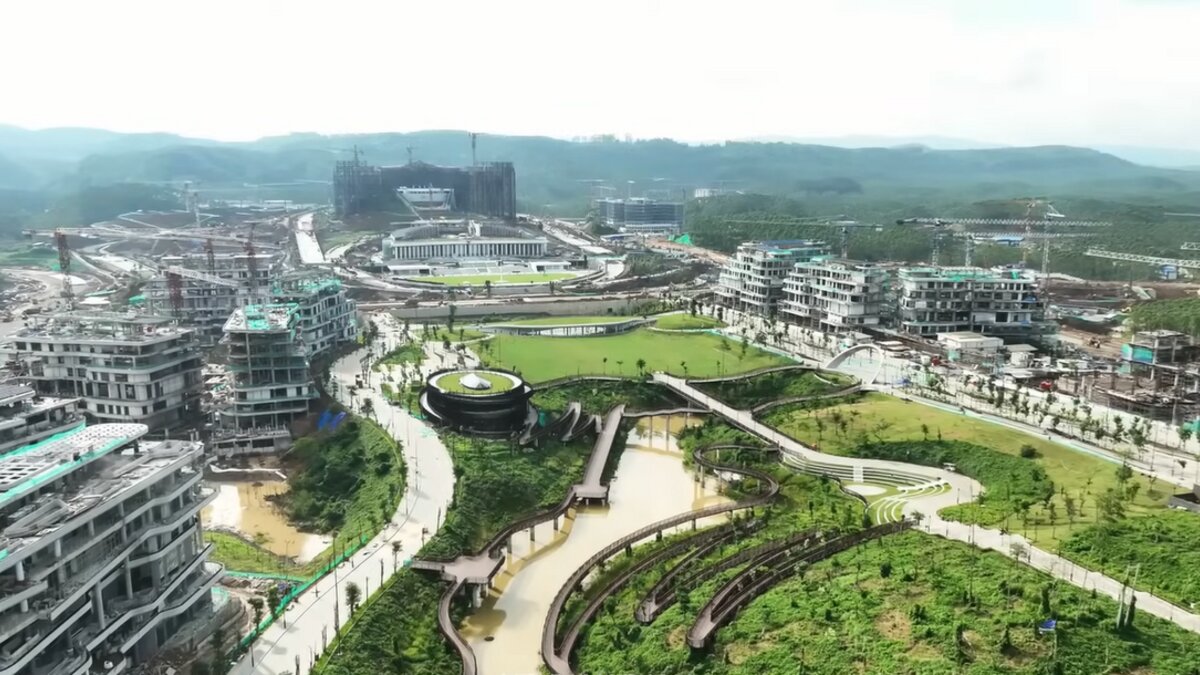
Cover image: Aerial view of Nusantara construction zone in East Kalimantan during the 2026 dry season — photo by PUPR Permukiman Kaltim (East Kalimantan Public Works and Public Housing Office)as watermarked in the video, Public domain, via Wikimedia Commons.
The Nusantara Capital Authority (OIKN) has formed a special disaster team to strengthen dry-season readiness in East Kalimantan, announced on 5 September 2026 in North Penajam Paser as authorities brace for wildfire smoke and drought pressure across the new capital region. Deputy for Environment and Natural Resources Myrna Asnawati Safitri said the team pools private-sector, local government, faith leaders, health workers and residents and responds to reports sent through a dedicated community channel.
The move formalises community-centred prevention at a moment when Kalimantan’s fire season is peaking and the capital’s water system is being stretched. Collaboration with health clinics focuses on protection from wildfire smoke, including guidance for pupils to wear masks outdoors when haze drifts over. Equipment has been sent to sub-district and village governments, and BNPB support has been sought for rain-making and aerial water drops if fire threat grows.
How will the Nusantara team handle smoke and health risks?
The team’s day-to-day role is preventive and local. Rather than waiting for a large fire, agency staff act on community reports and link them to field crews and clinic networks. When satellites or patrols flag a hotspot near Sepaku, Penajam or Samboja, the unit can push masks and health advisories to schools, pause outdoor works on dusty access roads, and call for BNPB rain-making sorties if winds threaten residential blocks or the presidential and ministerial construction zones.
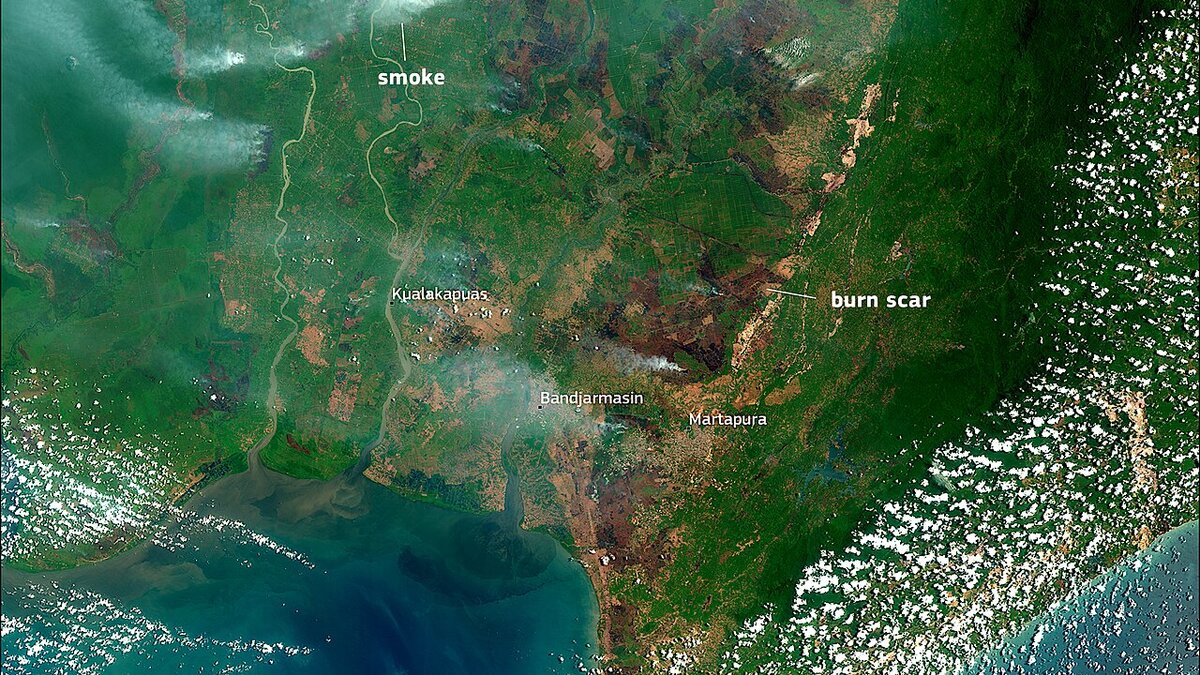
That last link matters for travel. Earlier this week a Caracal helicopter fought a 5-hectare fire near Sukomulyo, Sepaku, just 44 kilometres from Nusantara, and the new team is designed to catch the next ignition earlier. Indonesia is also under ASEAN Alert Level 3 for transboundary haze since 26 August, so smoke from West and Central Kalimantan could drift east toward Balikpapan and the capital corridor when monsoon winds shift.
Where will Nusantara’s dry-season water come from?
Drought response is the other half of the plan. Supply is being expanded through pipelines linked to the Sepaku-Semoi Reservoir, the main raw-water store for the capital. The reservoir holds rainfall produced by cloud-seeding with the Indonesian Air Force (TNI AU) and BMKG, a method already used over peatlands in West Kalimantan’s Rp5.5 billion mitigation drive.
Next steps are technical. Officials plan additional groundwater works with borehole drilling in the fourth week of September, after an ongoing geoelectric survey maps aquifers beneath Samboja and Sepaku. The survey helps avoid drilling into saline or low-yield layers and speeds decisions on where pumps and treatment can run longest into the dry spell.
For visitors, the practical effect is more stable taps at hotels serving Nusantara and Balikpapan through September, even if reservoir levels swing with seeding success. Tour vans should still carry bottled water for site walks, because construction dust plus smoke can leave a dry throat on exposed ridges.
What does this mean for travellers to Nusantara this month?
Site access: core construction zones remain restricted and require permission, but viewpoints, Sepaku river lodges and the nearby coast are open. Transfers typically run from Sultan Aji Muhammad Sulaiman Sepinggan Airport (BPN) in Balikpapan, about a two-hour drive depending on road works.
Health kit: pack an N95 mask and eye drops for smoky days, especially if you plan open-vehicle tours or forest walks. Schools locally are already advising masks outdoors, so a prepared traveller blends with guidance rather than standing out.
Timing: early morning tours see calmer winds and less haze. Afternoon heat lifts dust from haul roads, so schedule indoor briefings or river segments for the afternoon and keep a buffer for flight connections via Balikpapan if haze thickens on the Sukomulyo–Samboja corridor.
Frequently asked questions
What is the new OIKN disaster team for Nusantara?
The Nusantara Capital Authority (OIKN) created a special team on 5 September 2026 to handle dry-season hazards, announced in North Penajam Paser by Deputy for Environment Myrna Asnawati Safitri. It works with private firms, local government, faith leaders, health workers and residents, and acts on reports sent through a dedicated channel.
How is Nusantara securing water during the dry season?
Supply is being expanded through pipelines linked to the Sepaku-Semoi Reservoir, which stores rainfall from cloud-seeding operations flown with the Indonesian Air Force and BMKG. Additional groundwater work is planned, with borehole drilling scheduled for the fourth week of September after a geoelectric survey now underway.
Will smoke affect visits to Nusantara or Balikpapan?
No closure has been announced for the capital site. OIKN is working with health clinics on smoke precautions, including advice for pupils to wear masks outdoors when haze drifts over. If wildfire risk rises, BNPB may support rain-making and aerial water drops. Travellers should monitor local air-quality readings before outdoor site tours.
Is Nusantara open to tourists in September 2026?
Construction zones remain restricted and require permission, but viewpoints, Sepaku and nearby coastal areas stay accessible. Tour operators run transfers from Balikpapan’s Sultan Aji Muhammad Sulaiman Sepinggan Airport. Allow extra time for dust on access roads and carry water and N95 masks for smoky days.