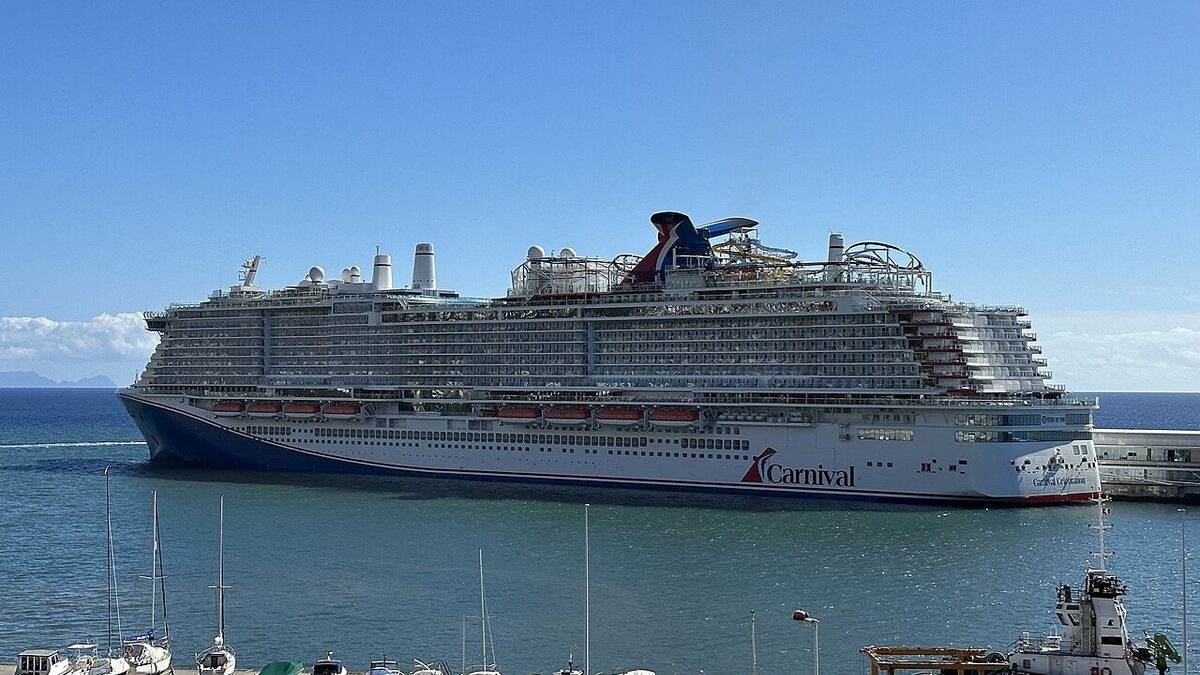
Japan has chartered the 290-metre Costa Serena to house 4,000 athletes at Nagoya Port for the Asian Games opening 19 September, after dropping a costly athletes' village.
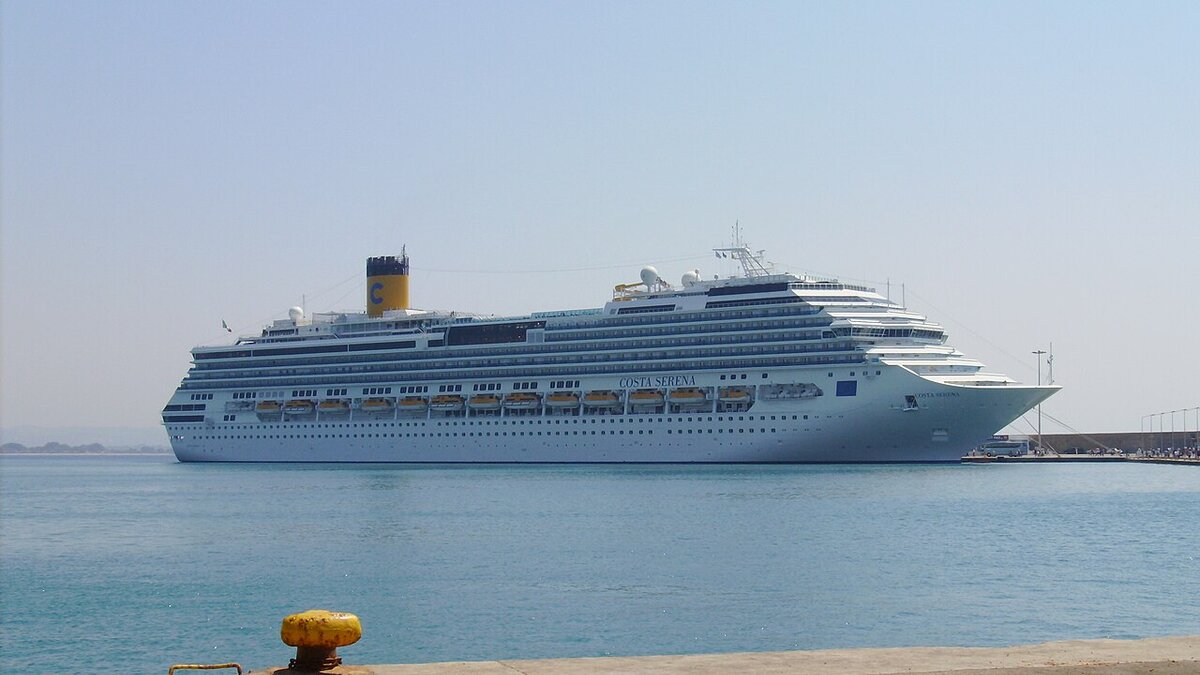
Cover image: the Costa Serena cruise ship anchored near port — photo by Mauro Mazzio (Boboseiptu) Original uploader was Boboseiptu at it.wikipedia, CC BY-SA 3.0, via Wikimedia Commons.
Japan will house around 4,000 athletes on a cruise ship at the 2026 Asian Games, after scrapping plans for a purpose-built athletes' village as too expensive. The Italian-registered Costa Serena, a 290-metre vessel with 1,500 cabins, will anchor at Nagoya Port as a floating Games village for the competition opening on 19 September 2026, organisers confirmed in early September. It is the first time Japan has used a ship for an international sporting event of this scale.
Athletes will find restaurants, pools, open-air decks, rest areas and gymnasiums on board. Masashi Hayakawa, in charge of accommodation at the organising committee, said competitors would get everything they could expect in a hotel, with six cabin types shared across national teams so treatment stays equal. Organisers add that all rooms are secured even as participant numbers have climbed beyond earlier estimates.
Why is a cruise ship housing Asian Games athletes?
Cost. The government first intended to build an athletes' village, then dropped the endeavour as too expensive and chartered the Costa Serena instead. For a host city, a large cruise ship is effectively a pre-built, 1,500-room waterfront hotel that arrives under its own power and leaves when the Games end, with no legacy conversion risk.
The arithmetic works because Nagoya Port sits close to competition venues, and the ship's servicing (catering, housekeeping, security perimeters) mirrors normal cruise turnaround operations. The model will be watched closely: with the cruise industry sailing a record year in 2026, spare berths and flexible deployment are easier to arrange than at any point in the industry's history.
What is life like on the floating village?
Hayakawa said organisers will designate several cabin types to every country's athletes so nobody feels short-changed, though cabin decor cannot be changed at short notice. General stores, shops and booths are being set up near the quay, and traffic lanes to the port are being secured so athletes can embark and disembark without hassle.
Because the Serena is a foreign-flagged vessel, Japan's standard customs, quarantine and maritime rules for foreign ships apply in full. Authorities say every formality is being checked in advance to avoid confusion once 4,000 athletes start arriving. Travellers curious about Japan trip logistics beyond the Games will find our Japan trip cost breakdown from India useful for planning.
What happens if a typhoon hits during the Games?
September is typhoon season on Japan's Pacific coast, and organisers have a direct answer: if rough weather threatens, the ship moves offshore where high waves are less common. A vessel that can relocate is arguably safer than a fixed coastal village, though it complicates transport planning on short notice.
Security is being handled like a land venue, with measures covering athletes and spectators alike. Hayakawa admitted there is no precedent to copy and real pressure to get it right: with no template, the committee is taking decisions one at a time as final preparations wrap up.
Frequently asked questions
Which ship houses athletes at the 2026 Asian Games?
The Costa Serena, an Italian-registered cruise ship 290 metres long with about 1,500 cabins. She will anchor at Nagoya Port and accommodate roughly 4,000 athletes and team personnel during the Games opening on 19 September 2026.
Why did Japan drop the athletes' village?
The planned village proved too expensive, so organisers chartered the cruise ship instead. A berthed ship provides hotel-scale lodging with restaurants, pools and gyms already built in, and it departs when the event ends.
Is the floating village safe in typhoon season?
Organisers say the ship will move offshore away from high waves if a typhoon or rough weather approaches. Standard Japanese customs, quarantine and maritime safety rules for foreign ships apply, with checks completed before athletes arrive.
Has a cruise ship been used this way before?
Ships have billeted teams and fans at past events, but Japan says this is the first time the country has used one at this scale for an international competition. The Nagoya experiment will shape whether other hosts copy the floating-village model.