Kualanamu Airport is back to normal after Mount Sinabung ash forced 45 cancellations — here are the NOTAM updates and what to check before you fly.
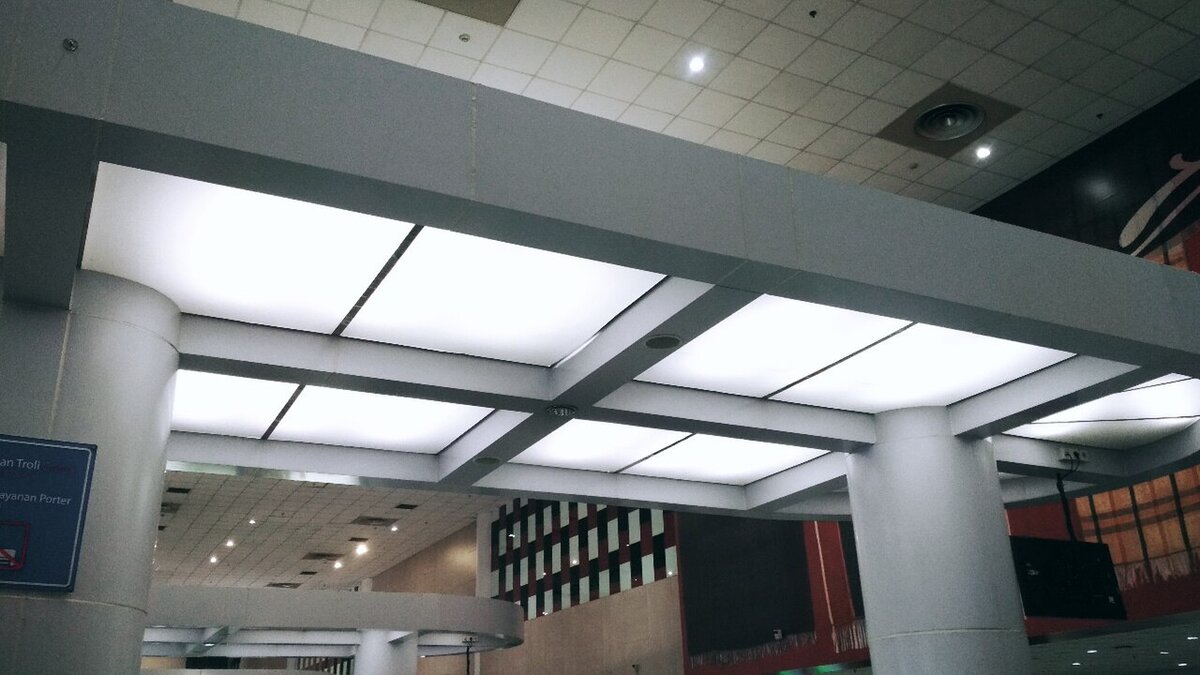
Cover image: Kualanamu International Airport terminal after Sinabung ash clearance — photo by Sam Hidayat, CC BY-SA 4.0, via Wikimedia Commons.
Kualanamu International Airport is operating normally again after Mount Sinabung's eruption forced a temporary shutdown. Indonesia's Ministry of Transportation said on 3 September 2026 that flights at Kualanamu in Deli Serdang, North Sumatra, resumed after monitoring on 2 September found no ash deposits on testing sheets. The closure had grounded 45 flights and forced six more to be rescheduled, with ash tracked to 14,000 feet drifting southwest at 5 knots under a Darwin VAAC SIGMET.
If you were rebooked during the Mount Sinabung eruption that cancelled 21 flights at Kualanamu, this update explains what changed, which NOTAMs applied, and how to verify your flight before you travel.
What happened at Kualanamu Airport after Sinabung erupted?
Thin ash linked to Mount Sinabung was found in parking stands at Kualanamu on 1 September, prompting authorities to issue NOTAM A3250/26 and halt operations. Directorate General of Civil Aviation Director General Lukman F. Laisa said the ministry tracked the plume with Darwin Volcanic Ash Advisory Centre data. Darwin VAAC placed the ash column at 14,000 feet moving southwest at about 5 knots, under SIGMET valid 12:00 to 18:00 on 2 September.
Field teams placed testing sheets around the airfield on 2 September. With no ash observed, the ministry issued NOTAM A3254/26 and A3251/26 to reopen the airport. Laisa said, "Flight operations at Kualanamu International Airport are running normally," adding that "aviation safety remains our top priority."
The ministry has not named specific airlines affected. Kualanamu is North Sumatra's main gateway for Jakarta-Medan links and onward connections across Sumatra, so even a half-day closure cascades to schedules in Jakarta, Kuala Lumpur and Singapore.
How many flights were cancelled and rescheduled?
The ministry's 3 September statement put the impact at 45 cancellations and six rescheduled flights. Earlier coverage during the NOTAM window from 10:50 to 12:45 counted 21 cancellations, which was the figure reported while the closure was in force. The higher total reflects re-evaluations after airlines consolidated schedules and recovered aircraft rotations on 2-3 September.
For travellers, the practical lesson is familiar in Indonesia's volcano season. A short closure can still mean a full-day delay if your aircraft was due to turn at Kualanamu. Airlines typically protect long-haul and hub banks first, which was also seen when Melalan Airport haze halted East Kalimantan flights earlier this month, where Wings Air and Smart Aviation services were suspended until visibility improved.
Is it safe to fly to Kualanamu now?
Regulators say yes, with continuous monitoring. The ministry said it continues to track ash movement with Darwin VAAC, the same centre that supports Indonesia's broader aviation safety oversight. That oversight was recently benchmarked in our report on Indonesia's aviation safety score topping the global ICAO average at 78.85, a context that helps explain why authorities moved quickly to close and then reopen only after testing confirmed no deposits.
Volcanic ash risk is separate from wildfire haze. In recent weeks Kalimantan peat fires and Sumatra volcanism have overlapped, but the triggers and NOTAM types differ. Sinabung's plume was volcanic ash observed at flight levels, while Kalimantan disruptions involve surface smoke reducing visibility below 1,000 metres. Both can close airports, but ash requires additional engine-safety checks even after the runway is clear.
What should passengers check before flying?
- Check your airline app or SMS for rebooking. The six rescheduled flights were handled by carriers directly; keep your contact details updated.
- Verify the latest NOTAMs for KNO/Kualanamu if you are connecting same-day. Ground handling and catering delays can linger for 12-24 hours after reopening.
- If you are transiting Jakarta or Kuala Lumpur, confirm the inbound aircraft for your connection. A Kualanamu turn that was cancelled on 1 September may still affect the aircraft's next sector.
- For refunds or rerouting, Indonesian regulations allow schedule-change options, but policies vary by ticket type. Low-cost bookings often permit date changes without fare difference during official closures, while full-service carriers may also offer alternative routing via Kuala Lumpur or Penang.
Frequently asked questions
Are Kualanamu Airport flights operating normally now?
Yes. Indonesia's Directorate General of Civil Aviation said on 3 September 2026 that flight operations at Kualanamu International Airport in Deli Serdang are running normally. The airport reopened after testing sheets on 2 September showed no ash deposits. The ministry continues to monitor ash movement with Darwin VAAC data.
How many flights were affected by the Sinabung eruption?
The closure triggered 45 cancelled flights and six rescheduled flights, according to the ministry's 3 September update. An earlier ANTARA report during the initial shutdown linked 21 cancellations to NOTAM A3250/26, with operations halted between 10:50 and 12:45 on the day of the eruption. The plume reached 14,000 feet and drifted southwest.
What should travellers checking Kualanamu flights do?
Check your airline's flight status and the latest NOTAMs before heading to the airport. Ash forecasts can change quickly. Darwin VAAC SIGMETs are valid for short windows, in this case 12:00 to 18:00 on 2 September, and airlines may adjust schedules at short notice. Keep contact details updated with your carrier.