Indonesia lifted the domestic flight fuel surcharge ceiling from 30% to 40% on 2 September, after average jet fuel hit Rp23,315 per litre. Here's what changes, what airlines can charge, and what it means for travellers.
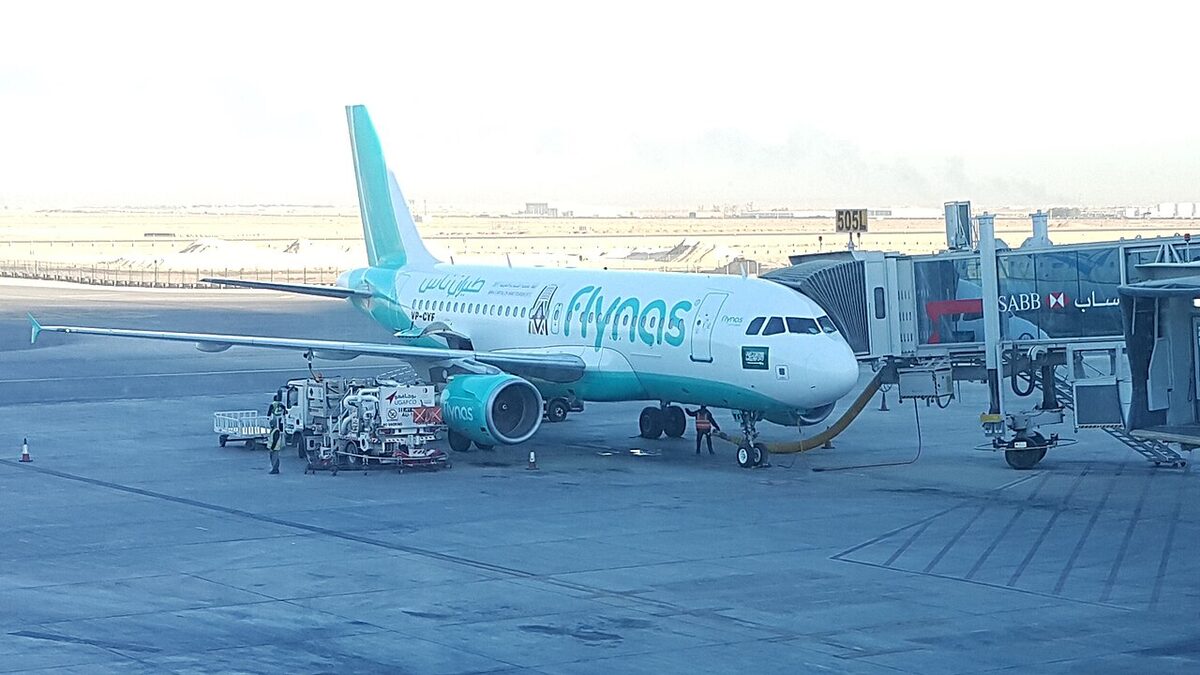
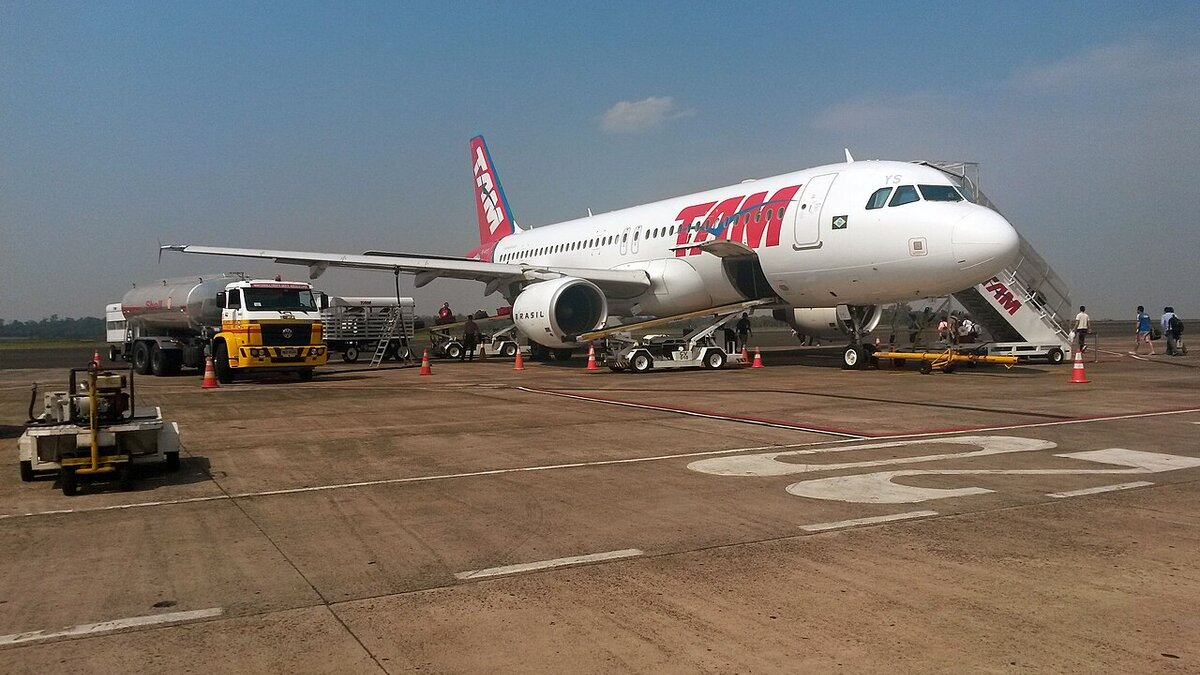
Cover image: a jet being refuelled on the apron with a fuel truck beside the aircraft — photo by Rachmaninoff, CC BY-SA 4.0, via Wikimedia Commons.
Indonesia has raised the maximum fuel surcharge (Indonesia aviation safety score 78.85 percent beats global average) airlines can add to scheduled domestic economy fares from 30% to 40% of the upper-limit fare. The Directorate General of Civil Aviation announced the change on 2 September 2026, following its periodic review of jet fuel prices. Average aviation fuel among suppliers reached Rp23,315 per litre (about US$1.32), up 6.5% on the previous period, officials said.
The ceiling is a cap, not a mandatory fee. Carriers may set a lower surcharge based on route economics and competition, but none may exceed 40% of the regulated ceiling fare for its service category. The DGCA said it will monitor implementation, ticket breakdowns and market conditions to balance airline sustainability and consumer buying power. For Indian travellers connecting through Jakarta, Bali or Sumatra, the move could mean higher add-ons on domestic legs, especially on longer trunk routes where fuel is a larger share of cost.
What exactly changed on 2 September?
Director General Lukman F. Laisa said the 40% figure applies to economy passengers on scheduled domestic flights. The previous cap was 30%. The review is routine and linked to supplier fuel data as of 1 September. The surcharge sits on top of the government’s upper-limit fare per service category and must be shown separately on tickets. No change was announced for international fuel surcharges or for business class ceilings.
The adjustment follows a similar step earlier in the year when the ceiling moved to 38% amid rising costs, before settling back at 30% ahead of this review. The return to a higher cap reflects the renewed climb in fuel prices tracked across Pertamina and other suppliers.
How much will tickets actually rise?
How much you pay depends on the route’s ceiling fare and what the airline chooses to apply. A 10 percentage-point rise in the cap does not automatically add 10% to every ticket.
- If an airline was already at the old cap: it can now add up to another 10% of the ceiling fare. On a Jakarta-Surabaya service with a ceiling around Rp1.5 million, that is up to Rp150,000 more if fully passed through.
- If an airline was below the cap: it may keep its current surcharge, absorb part of the increase, or raise it gradually.
- Short hops vs long trunks: fuel is proportionally larger on longer sectors such as Jakarta-Medan or Jakarta-Makassar, so the impact is felt more there than on 45-minute hops.
Airlines told the regulator they price flexibly. Competition on dense corridors often keeps surcharges under the cap. On monopoly or thin routes, carriers are more likely to use the full allowance.
Why did Indonesia raise the cap now?
The DGCA ties the surcharge to verified jet fuel averages. The current Rp23,315 per litre reading is 6.5% higher than the last reference period. Fuel typically accounts for 25-35% of an Indonesian carrier’s operating cost, with regional turboprops at the higher end. Rupiah weakness against the dollar and refinery spreads in Singapore have also pressured import parity.
Officials framed the move as periodic rather than emergency. They noted they will track whether the extra headroom is used consistently or only by carriers on specific routes, and whether surcharges are disclosed clearly at booking.
What it means for Indian travellers transiting Indonesia
India-Indonesia traffic has grown sharply in 2026, with Indonesia targeting 6,600 potential tourists at ITB India in Mumbai and Bali’s hotel performance leading the country. Most Indian itineraries combine an international ticket to Jakarta or Denpasar with separate domestic hops to Bali, Lombok or Labuan Bajo.
If you hold a through ticket on Garuda or Lion Air, the surcharge is already embedded in the fare you see, but expect year-on-year domestic add-ons to look higher. If you self-connect on separate domestic tickets, compare the fare breakdown before paying. The surcharge must appear as a separate line, so you can see whether an airline is at the 40% ceiling or below. For price-sensitive trips, consider flying into the final destination nonstop where available, or shifting a domestic leg to a rail or ferry option where feasible, such as Java.
Hotel operators are watching domestic fare moves closely. Bali’s July hotel occupancy topped Indonesia at 67.29%, so higher internal airfares could nudge some demand toward Bali-direct internationals rather than multi-stop itineraries. The Garuda Indonesia-Saudia joint business planned for 2027 signals how network carriers are trying to smooth cost with partnerships, but that does not apply to Indonesian domestic pricing.
Will the surcharge be shown transparently?
The DGCA said it will check three things: ticket presentation, fare implementation and jet-fuel trends. Regulations require the surcharge to be listed separately from the base fare and taxes. If you book on an airline website, the total at checkout should itemise base fare, fuel surcharge, taxes and fees. If it does not, regulators expect airlines to correct it. Online travel agencies must show the same split once the ticket is issued.
| Policy | Before 2 Sep 2026 | From 2 Sep 2026 |
|---|---|---|
| Max domestic fuel surcharge (economy) | 30% of ceiling fare | 40% of ceiling fare |
| Reference fuel price | Previous period average | Rp23,315/litre (~US$1.32) |
| Change in fuel | — | +6.5% vs prior period |
| Airline discretion | May charge less than cap | May charge less than cap |
Frequently asked questions
Does every domestic ticket rise by 10% tomorrow?
No. The cap rose 10 points, but airlines set the actual surcharge. Many will stay below the ceiling on competitive routes. Check the fare breakdown; the surcharge line shows what you are paying.
Which airlines are affected?
All scheduled domestic carriers operating economy services, including Garuda Indonesia, Lion Air, Batik Air, Citilink, Super Air Jet and Wings Air. The rule is category-based, not airline-based.
Is this for international flights from Indonesia?
No. The 40% ceiling applies only to scheduled domestic flights. International fuel surcharges follow separate commercial and bilateral rules.
How long will the higher cap last?
Until the next periodic review of supplier fuel prices. If jet fuel falls, the DGCA can lower the ceiling again, as it has done in past cycles.