KAI will run 12-car trains on Jakarta's Green Line to Rangkasbitung after a 4 Sep trial: 36 sets planned as the corridor hits 22.5 percent of all commuter trips.
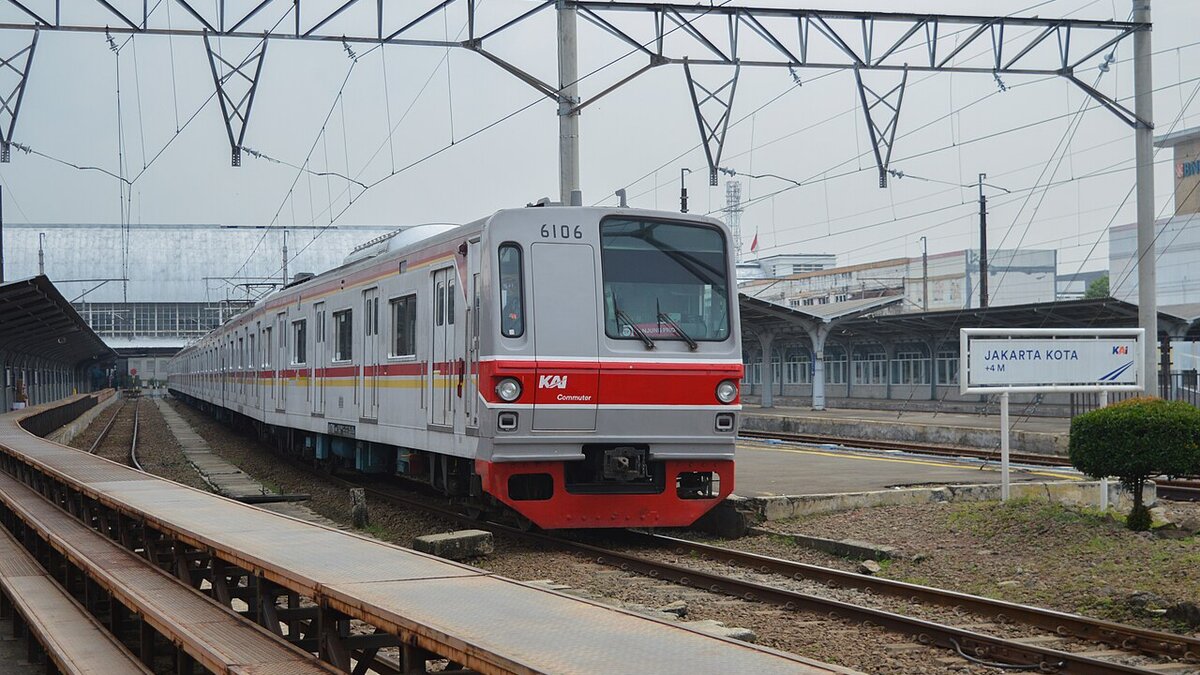
Cover image: KAI Commuter train at Jakarta Kota station on the Green Line to Rangkasbitung — photo by Raffi Arasy, CC0, via Wikimedia Commons.
KAI Group will expand Jakarta’s Green Line to 12-car trains after a successful trial on 4 September 2026, adding 20 percent seats per trip on the busy corridor to Rangkasbitung in Banten. The operator plans 36 trainsets for the Green Line and is upgrading electrical supply so the line can run longer sets at tighter headways.
Group Vice President of Corporate Communication Anne Purba said on 5 September 2026 that Rangkasbitung’s volume is nearly the same as Bekasi and that the contributions of Cikarang and Rangkasbitung are now almost neck and neck, a marked shift from when the Bogor corridor held about 60 percent of all commuter trips.
How much capacity does 12 cars add?
The Green Line moved from 4 cars to 8 cars to 10 cars over the past decade. The next step to 12 cars lifts per-train capacity by a fifth without adding drivers or paths. KAI noted: “We conducted a trial of the 12-car configuration yesterday”, confirming the test ran on 4 September near Jakarta Kota and Tanah Abang with platform stop markers adjusted.
Infrastructure work includes boosting electrical supply and substations and checking platform clearances at intermediate stations such as Palmerah, Kebayoran, Pondok Ranji, Serpong, Parung Panjang and Tigaraksa. Once power headroom is confirmed, KAI can both lengthen trains and trim headways, compounding capacity.
Why is Rangkasbitung is suddenly the growth story?
KAI Group’s ridership split puts the change in stark terms:
- Bogor Line: 43.9 percent of all commuter riders, down from about 60 percent
- Cikarang and Bekasi lines: 24.7 percent
- Rangkasbitung Line (Green): 22.5 percent
That means the Green Line corridor, which threads through South Jakarta, Serpong’s BSD and Gading Serpong new towns, and the Maja housing belt to Rangkasbitung, now carries more than one in five commuter trips in Greater Jakarta. Cikarang’s factories and Bekasi’s estates still edge it, but Anne Purba’s assessment that the two corridors are neck and neck suggests Rangkasbitung will overtake Cikarang if housing completions continue on schedule.
For visitors, the shift matters. TransJakarta’s planned 2027 Seribu Islands ferry link shows how the capital is stitching rail and sea access, and the Green Line is the rail spine for day trips to BSD’s malls, culinary strips and the Rangkasbitung cultural villages. More seats should ease the squeeze that currently sees morning peak loads above 140 percent on the Serpong to Tanah Abang segment.
What will passengers notice first?
On trial days the extra two cars stop beyond the usual 10-car marker, so follow platform staff and new floor stickers. Doors cycle slightly longer to clear. Inside, KAI is preparing additional rolling stock rather than stretching existing sets, which keeps maintenance reserves higher. Jakarta’s rail push contrasts with Bali, where vehicles now outnumber residents, and with the proposed Bali Airport to Canggu battery tram still at planning stage.
Tourists using the line for airport or hotel transfers should note that Green Line interchanges at Tanah Abang (to Jakarta Kota and Bekasi) and Duri (to Tangerang) remain the pinch points. With 12-car sets, transfers involve longer walks to optimised exit gates, so allow an extra 5 minutes when connecting to airport buses at Tanah Abang during peak.
What should you do if you ride the Green Line this week?
Travel off-peak if you can: between 10 a.m. and 3 p.m. occupancy drops 30 to 40 percent versus the 7 to 9 a.m. crush.
Use QR or e-money: Access by KAI QR, JakLingko, Flazz, TapCash and JakCard all work, no paper ticket needed. Load value before entering the paid area as top-up machines crowd at 12-car stopping points.
Check Access by KAI: the app shows live headways and which trips run 12 cars once the soft launch begins.
Frequently asked questions
When will Jakarta Green Line run 12-car trains?
KAI Group ran a 12-car trial on 4 September 2026 and confirmed the Green Line will move from 10 to 12 cars, pending electrical and platform clearances. The operator plans 36 sets for the corridor. No single switch date was announced, but the trial signals rollout in the coming months as ridership on Rangkasbitung approaches Bekasi levels.
Why is Rangkasbitung growing faster than Bogor?
Bogor still leads with 43.9 percent of commuter trips, but its share fell from about 60 percent as Tangerang and South Banten housing filled. Rangkasbitung now carries 22.5 percent versus Cikarang-Bekasi at 24.7 percent, according to KAI Group. The Green Line corridor links central Jakarta to Serpong, Parung Panjang and Rangkasbitung, where new townships feed daily commutes.
Will longer trains cut crowding for tourists using the line?
Yes, capacity per trip rises 20 percent from 10 to 12 cars before any frequency increase. Headway reductions plus the electrical supply boost will add further seats. Tourists using Tanah Abang to Serpong or Rangkasbitung for day trips should see more room, especially off-peak.
Do I need a different ticket for 12-car services?
No. KAI Commuter uses the same e-money and QR tickets across all lines. Boarding is with JakLingko, Flazz, TapCash or the Access by KAI app. Longer sets do not change fares, which remain distance-based. Follow platform staff for car-position markers when 12-car stop points are active.