Japan is very safe for Indian tourists: violent crime is rare. Watch for Tokyo bar tout scams, use women-only train cars at rush hour, and prepare for earthquakes and typhoons.
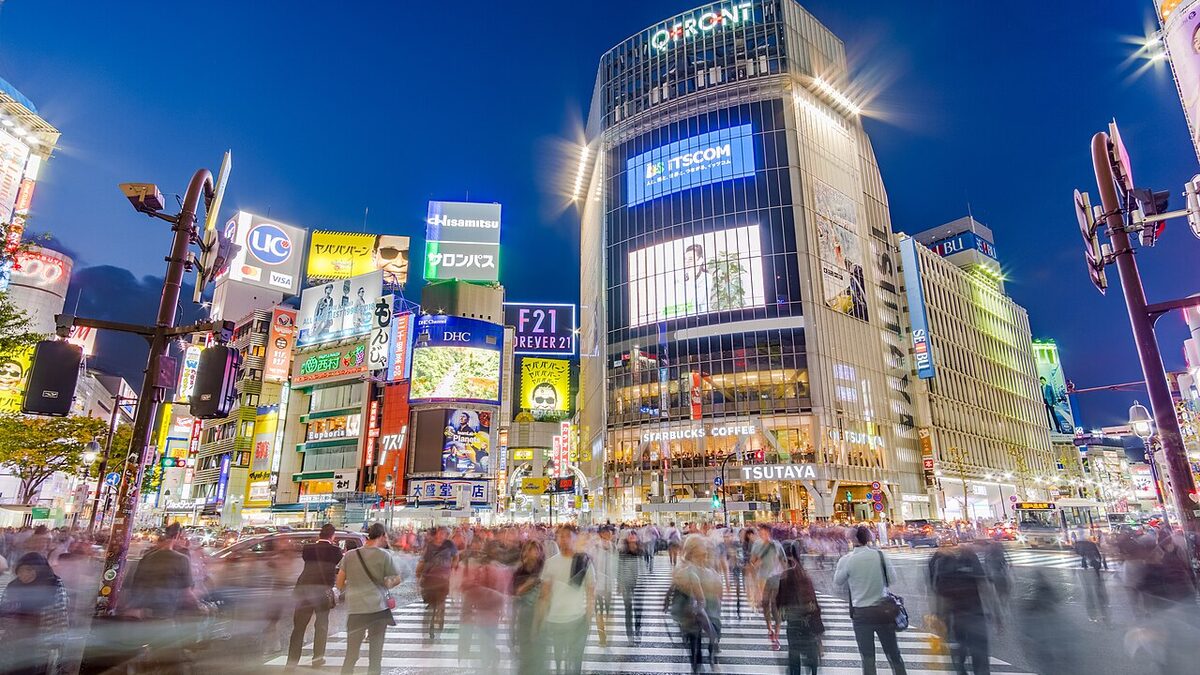
Cover image: Crowds crossing Shibuya at night beneath glowing billboards in Tokyo — photo by Benh LIEU SONG (Flickr), CC BY-SA 2.0, via Wikimedia Commons.
Yes, Japan is one of the safest countries in the world for Indian tourists. Violent crime against visitors is rare, streets and trains run with famous efficiency, and the British Foreign Office's standing advice is simply to take the same care you would at home. The real risks are different from India's: earthquakes and typhoons rather than theft, and a small set of nightlife scams in Tokyo's entertainment districts that target foreigners who follow touts into bars.
Context first: Japan received 3.44 million visitors in July 2026 alone, a record, and the overwhelming majority travel without incident. What follows is the honest version of "safe but not risk-free", built on current government travel advice. Sort your paperwork alongside this with our Japan visa guide for Indians.
Crime: low overall, with one clear hotspot pattern
Pickpocketing and bag-snatching are uncommon by global standards, and lost phones and wallets are routinely handed in. The exception is Tokyo's late-night entertainment districts. Police and foreign-office advice both flag Kabukicho, Roppongi, Shibuya and Ikebukuro, where touts (known as kyakuhiki, illegal but commonplace) invite foreigners into bars that then present inflated bills, occasionally backed by intimidation. British nationals have been arrested after disputes over such bills, so the rule is absolute: never follow a street tout into a bar, and never hand over your card to open a tab in a venue you did not choose yourself.
Reports of drink spiking and card fraud in these districts are growing: victims describe waking with no memory and finding charges from hundreds to tens of thousands of pounds. Watch your drink, pay cash where you can, and keep one card with a low limit for nights out. Outside these zones, including Kyoto, Osaka, Hiroshima and rural Japan, the risk profile drops close to zero.
Women travellers and trains
Japan is broadly comfortable for solo women travellers, and our best-time-to-visit Japan guide covers when crowds are thinnest. Two specifics matter. Sexual assault is officially described as rare, but groping and upskirting on packed commuter trains is a recognised problem; the countermeasure is built into the system, with women-only carriages on many lines at rush hour (marked in pink). Late-night last trains on weekends are the rowdiest setting, so prefer earlier trains or the handful of women-only cars when available.
Natural hazards: the risk to actually prepare for
| Hazard | When and where | What to do |
|---|---|---|
| Earthquakes | Year-round, nationwide; tsunami risk after major offshore quakes | Learn your hotel's evacuation route; follow JMA alerts and staff instructions |
| Typhoons | June to December, peaking July to September; worst in the south | Expect train and flight cancellations; stock a day of supplies |
| Extreme heat | July and August, often above 35°C with humidity | Plan temples early morning; carry water and use shade breaks |
| Heavy rain and flooding | Low-lying, coastal and mountain areas; can worsen fast | Avoid river valleys during warnings; check forecasts daily |
Japan sits in a major earthquake zone with several active volcanoes, so tremors strong enough to stop trains happen several times a year. Buildings and drills are world-class: hotel rooms carry evacuation maps, phone alerts arrive in English via apps like Safety Tips (Japan Tourism Agency), and staff rehearsals mean instructions during an event are calm and clear. Register with the Indian Embassy in Tokyo on arrival for long stays, and save the emergency numbers: 110 for police, 119 for fire and ambulance.
Scams, money and everyday precautions
Beyond the bar scams, Japan has little of the hassle common elsewhere in Asia: no gem scams, no rigged meters (taxis are metered and honest), no aggressive hawkers at temples. The practical frictions for Indians are different. Japan remains a cash-heavy society outside big cities, so carry yen for rural temples, small restaurants and temple-town buses. Keep your passport on you (police can ask), buy travel insurance that explicitly covers earthquakes and typhoons, and note that medical care is excellent but expensive without cover. Full trip maths lives in our Japan trip cost breakdown from India.
Frequently asked questions
Is Japan safe for Indian tourists?
Yes. Violent crime against tourists is rare and Japan is consistently ranked among the world's safest destinations. Take normal precautions, avoid tout-led bars in Tokyo nightlife districts, and prepare for earthquakes and typhoons rather than crime.
Is Japan safe for solo female travellers from India?
Broadly yes. Use women-only train carriages at rush hour where provided, avoid the last weekend trains when possible, and the standard big-city awareness applies in nightlife areas.
Which areas of Tokyo should tourists avoid at night?
No area is formally off-limits, but Kabukicho, Roppongi, Shibuya and Ikebukuro carry the highest reported risk for tout scams, spiked drinks and inflated bar bills. Visit them with the tout rule in mind rather than skipping them.
What is the emergency number in Japan?
110 for police and 119 for fire or ambulance. The Safety Tips app pushes English-language earthquake, tsunami and weather alerts to your phone.