Bali is not expensive for Indian tourists in 2026 for food, transport and mid-range stays, with private rooms from INR 2,500 and meals at INR 300 to 600. Costs spike around beach clubs, private drivers and Nusa Penida boats.
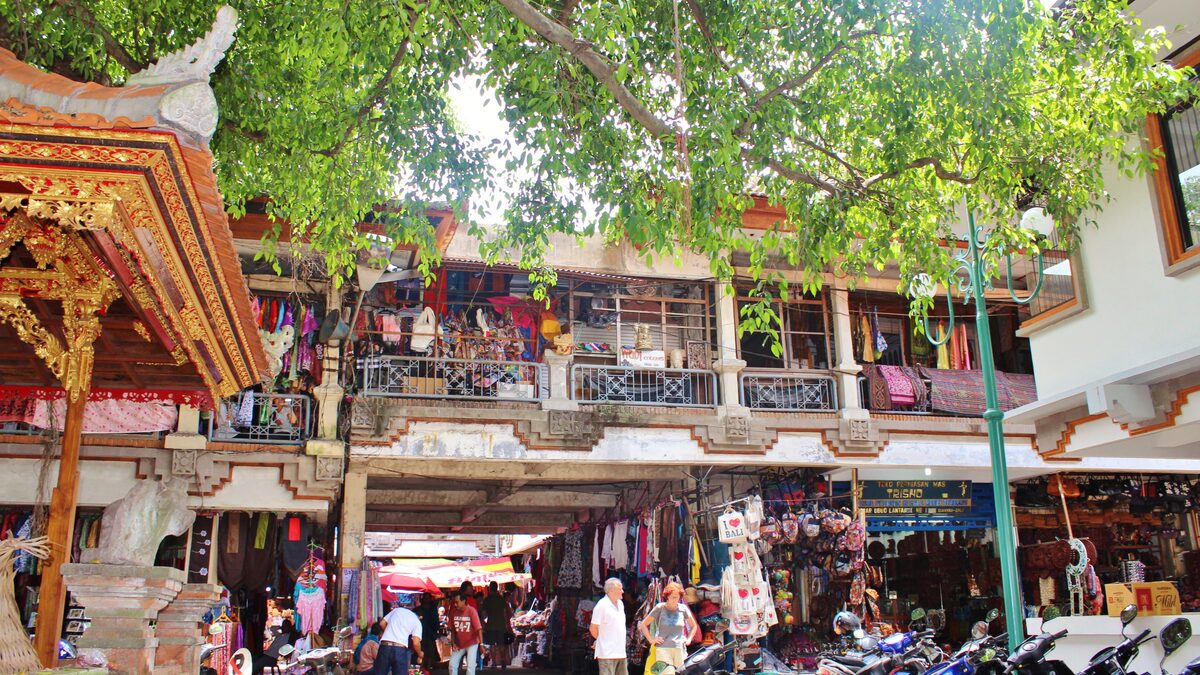
Cover image: market stalls in Seminyak, Bali, Indonesia — photo by Michelle Maria, CC BY 3.0, via Wikimedia Commons.
No, Bali is not expensive for Indian tourists in 2026 for the parts that make up most of a day. A private room with pool in Seminyak, Canggu or Ubud is routinely INR 2,500 to 6,000 per night, a warung plate of nasi goreng or mie goreng is INR 250 to 500, and a short Gojek bike ride is INR 50 to 120. Those three items cover sleep, eat and move for most travellers, so the baseline feels closer to Goa pricing than to Singapore or Europe. The days turn expensive only when the itinerary adds beach clubs with minimum spends, a private driver for 10 hours, fast boats to Nusa Penida and Gili, and shopping in fixed-price boutiques rather than markets.
Bali's cost picture is best understood against India and its neighbours. A 3-star private room in Bali undercuts a comparable room in Singapore by half and tracks Bangkok on the same dates, while a mid-range Indian city hotel at INR 3,500 to 5,500 looks similar. Food is where Bali's value is strongest for vegetarians and non-vegetarians who eat Indonesian staples rather than imported cheese and wine. Beer at INR 250 to 400 a bottle sits above Indian metro bar prices, yet local coffee at INR 120 to 200 keeps drink spend neutral.
Cost context for Indians: Bali trip cost from India in 2026 sets the full budget range, do I need a visa for Bali covers the e-VOA fee near INR 2,900 plus extension, is Bali safe covers scam and traffic risks that carry a hidden cost if ignored, and where to stay in Bali for Indian tourists maps budget areas from Kuta to Ubud.
How much do hotels, food and transport cost per day in Bali?
| Category in Bali | Budget per day from India | Mid-range per day | What changes the price |
|---|---|---|---|
| Hotel private room 3-star | INR 2,500 to 4,000 | INR 5,000 to 9,000 | Location: Seminyak and Ubud higher than Kuta and Legian, villa vs hotel |
| Hostel dorm bed | INR 700 to 1,400 | — | Canggu and Uluwatu are tighter at weekends |
| Meal warung or local cafe | INR 250 to 500 | — | Nasi goreng, soto, gado gado, fruit juice included |
| Meal mid-range restaurant | — | INR 600 to 1,100 | Western menus add INR 300 to 500 versus Indonesian |
| Scooter rental plus petrol | INR 350 to 600 | — | INR 250 to 400 daily rental plus INR 80 to 150 fuel, licence and helmet needed |
| Gojek or Grab bike short ride | INR 50 to 120 | — | Car is 3 to 4 times bike for same distance |
| Private driver car 10 hours | INR 3,500 to 5,500 | INR 5,500 to 8,000 with larger car | Petrol and parking often excluded in cheap quotes |
The table explains why Bali feels affordable for Indians who move like locals. A day built around a 3-star room at INR 3,500, two warung meals at INR 800, a scooter at INR 450 and one cafe coffee at INR 180 totals near INR 5,000 before attractions, which is similar to a leisure day in coastal India during shoulder season. A day built around a beach-club sunbed at INR 4,000 minimum, a 10-hour private driver at INR 5,500 and dinner with import wine at INR 1,500 per plate triples that without improving the cultural experience proportionally.
Where does Bali catch Indian tourists out on cost?
- Airport to hotel: pre-booked airport transfers at INR 1,200 to 2,000 look neat but a Gojek car after you clear immigration is often INR 400 to 800 to Kuta and Seminyak and INR 700 to 1,200 to Canggu. Hotel taxis quoting flat INR 1,800 to 2,500 are a markup. Use the ride app in arrivals rather than the counter that shouts loudest.
- Nusa Penida, Nusa Lembongan and Gili boats: fast boat returns are INR 2,500 to 5,000 per person depending on pier and season, with separate harbour fees and snorkel rentals that add INR 400 to 800. Operators upsell private charters at INR 18,000 to 30,000 a boat; a shared transfer is enough for most.
- Beach clubs and Bali swings: minimum spends of INR 3,000 to 6,000 at prime beach clubs and INR 2,000 to 3,500 for a swing photo package feel steep when counted as food and drink. Enjoy one splurge with a sunset view rather than making every day a club day.
- Indian vegetarian premium: pure vegetarian Indian restaurants charge INR 500 to 900 for a thali versus INR 300 for a Balinese rice plate. Mixed groups that eat local for lunch and reserve Indian thali for dinner balance cost and comfort better than eating Indian at every meal.
Exchange also drips away money. Airport money changers advertise good rates with a 0 but use a 2 to 4 percent spread and occasional calculation tricks. Reputable chains such as Central Kuta and authorised banks give closer to the interbank rate visible on Google at the time of exchange. Using an Indian zero-forex card for hotels and withdrawing IDR 2 to 3 million at once from a bank ATM keeps fees near INR 400 per withdrawal instead of repeating small pulls.
Is Bali cheaper than Thailand for Indians?
On comparable comfort the two track each other within 10 to 15 percent. Bali 3-star rooms at INR 2,500 to 4,000 versus Thailand's Bangkok and Chiang Mai at INR 2,200 to 3,500 is close, and warung food at INR 250 to 500 aligns with Thai street plates at INR 150 to 300. Thailand tends to be cheaper for internal transport because rail and metro coverage is broader, while Bali's scooter and Gojek network is cheap but requires riders to be licensed and confident. Thailand's beers and spirits are cheaper than Bali's imported alcohol due to tax differences, so drinkers see a gap.
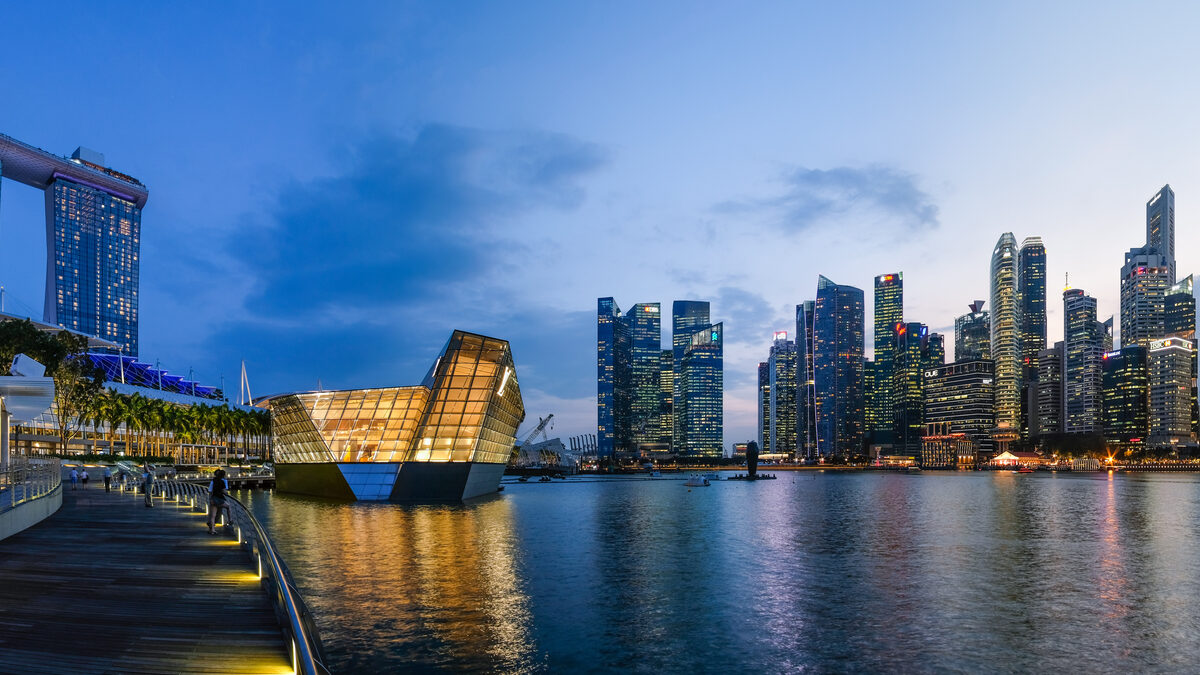
Singapore is the step change. The same 3-star tier in Singapore is INR 7,000 to 10,000, about twice Bali. That is why Indians often pair Bali as the long cheap base with a short Singapore stop, rather than the reverse.
How to keep a week in Bali under INR 65,000 per person from India?
- Fly with one checked bag included on a sale fare at INR 14,000 to 22,000 return from Delhi or Mumbai via Kuala Lumpur or Singapore, or non-stop when available, booked 6 to 8 weeks ahead.
- Sleep in Ubud and Kuta or Legian at INR 3,000 to 4,500, and reserve Seminyak or Uluwatu only for two or three nights, not seven.
- Move by Gojek bike for solo and small groups, and split a metered car only for airport days and temple circuits where luggage is involved.
- Eat warung for lunch, cafe for breakfast included in the hotel, and one sit-down restaurant for dinner, which keeps food near INR 900 to 1,200 per day.
- Pick two paid experiences such as a Nusa Penida day and a cooking class at INR 1,800 to 3,500 each, and enjoy free rice terrace walks, beaches and temple exteriors for the rest.
Frequently asked questions
Is Bali expensive for Indian tourists for food?
No, food is one of Bali's cheapest parts for Indians. Warung plates cost INR 250 to 500, local cafe light meals INR 400 to 650, and fresh juice INR 120 to 200. Indian thali at dedicated Indian restaurants is higher at INR 500 to 900 but need not be every meal.
Is Bali more expensive than Thailand for Indians?
They are similar at budget and mid-range if you eat Indonesian or Thai staples and use local transport. Thailand is often cheaper for trains and metros, Bali is a little higher for resort-style beach clubs and island boats. Singapore is markedly more expensive than either for hotels.
How much should an Indian budget per day in Bali in 2026?
About INR 4,500 to 6,500 per day for a private 3-star room, local meals, scooter or Gojek and one light activity. With a hostel bed and warung-only meals the day falls to INR 2,500 to 3,500 before flights and visa.
What is the biggest waste of money in Bali for Indian visitors?
Paying flat-rate airport taxis quoted at INR 1,800 to 2,500 when a Gojek car after arrivals is INR 400 to 1,200, and buying daily beach-club minimum spends when Bali's best sunsets from beaches and temple hills are free.