

Icelandair Group is paying about $686,000 for a 49% Play Europe stake, securing access to collapsed rival Play's Maltese air operator certificate and options to buy more later.
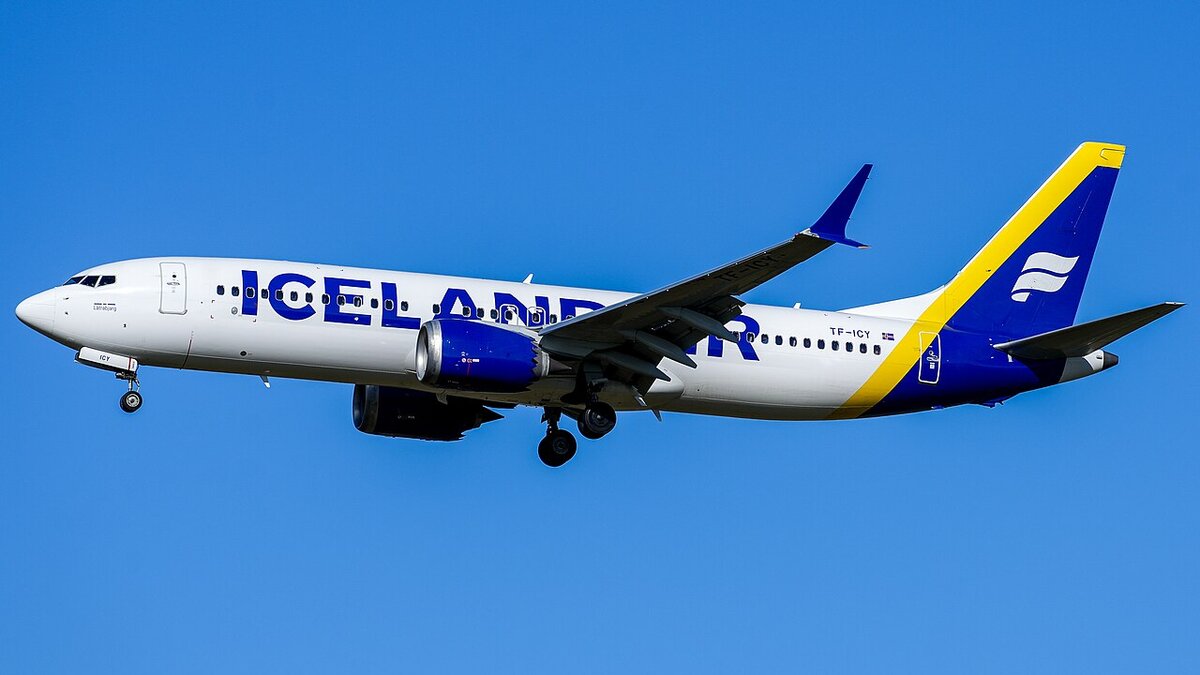
Cover image: Icelandair Boeing 737 MAX 8 in flight against a clear sky — photo by MarcelX42, CC BY-SA 4.0, via Wikimedia Commons.
Icelandair Group has agreed to buy a 49% stake in Fly Play Europe, the Maltese company set up by its collapsed Icelandic low-cost rival Play, the group announced on 21 August 2026. The Icelandair Play Europe deal values the shareholding at roughly USD 686,000, with the stake acquired from FPE, an Icelandic investment vehicle managed by Isafold Capital Partners.
Fly Play Europe's operating subsidiary, Fly Play Europe Limited, holds an air operator certificate (AOC) in Malta — a licence that survived the demise of its founder. Play, the Icelandic low-cost carrier, ceased operations at the end of September 2025, but the Maltese unit remained active with its certificate intact.
For a purchase price smaller than the list price of a single aircraft engine part-out, Icelandair gains a foothold in an EU-registered operating platform it says will add flexibility to its Keflavik hub operation, open new commercial options and diversify revenue. The agreement includes a shareholders' agreement, financing arrangements and options for Icelandair to raise its stake later.
Why does Icelandair want Play's Maltese AOC?
Iceland sits outside the European Union, and while its carriers enjoy broad access to the European Economic Area, an EU-based certificate offers advantages an Icelandic AOC cannot. Icelandair says access to the Maltese AOC could help simplify and streamline its Icelandic operations while supporting the development of its international business.
When the pursuit began with a letter of intent in April 2026, chief executive Bogi Nils Bogason said that "having access to an air operator certificate in Malta... can open up new and exciting business opportunities", pointing to greater operational flexibility, access to a wider set of air service agreements and potential tax advantages.
In practice, a second AOC gives the group room to:
- Split its fleet between Icelandic and Maltese registries as network needs dictate;
- Pursue ACMI and charter work — wet-leasing aircraft and crews to other airlines, a fast-growing revenue stream across Europe;
- Access EU traffic rights and bilateral agreements negotiated by the bloc rather than by Iceland alone;
- Broaden crewing and leasing options under Malta's well-established aviation registry.
Revenue diversification is a recurring theme for carriers exposed to a single seasonal hub, a pressure point visible across the latest round of airline quarterly earnings.
What happened to Play?
Play was Iceland's second attempt at a transatlantic low-cost carrier, flying Airbus A320-family jets between Europe and North America over Keflavik. The model — thin margins, heavy seasonality and brutal price competition — is unforgiving, as our explainer on how low-cost airlines actually make money sets out, and Play ceased operations at the end of September 2025.
The Maltese arm was created in October 2024 as part of Play's attempted restructuring, and before the collapse the carrier had transferred at least four A320-family aircraft onto the Maltese certificate, with jets subsequently leased out under ACMI arrangements. When the parent failed, the subsidiary — and crucially its AOC — stayed alive.
The transaction adds another chapter to the reshaping of the Nordic low-cost sector, where Norse Atlantic has been in its own sale and takeover talks and capacity continues to consolidate around fewer, better-capitalised operators.
What is a Maltese AOC and why do airlines want one?
An air operator certificate is the regulatory approval an airline needs to fly commercially, issued by a national authority. Malta has spent two decades building one of Europe's most popular aviation registries: an EU member state with an English-language legal system, a regulator accustomed to complex leasing structures and a competitive tax regime — a combination that has drawn a long list of ACMI specialists and airline subsidiaries.
For a non-EU group such as Icelandair, a Maltese certificate is effectively a door into the EU operating environment — useful for basing aircraft, employing crews and contracting with EU customers without routing everything through Iceland.
What are the conditions, and what happens next?
Completion is not yet unconditional. Icelandair says closing remains subject to several conditions, most notably an agreement with the Maltese aviation authorities on the continued use of Fly Play Europe's AOC under its new ownership structure — certificates are tied to specific entities and ownership arrangements, so the change requires regulatory sign-off.
Icelandair has not detailed a timeline, nor said when it might exercise its options to move beyond 49% — a threshold that also sits comfortably below the EU ownership-and-control limits applying to holders of EU operating licences. The intent is clear enough: the group has pursued this deal since April 2026, and for less than $700,000 it has bought optionality that would take years and far more money to build from scratch.
Frequently asked questions
How much is Icelandair paying for the Play Europe stake?
Approximately USD 686,000 for a 49% shareholding in Fly Play Europe, acquired from FPE, a vehicle managed by Isafold Capital Partners, with options to increase the stake later.
Is the Icelandair–Play Europe deal completed?
Not fully. The purchase, shareholders' agreement and financing arrangements were announced on 21 August 2026, but completion remains subject to conditions — chiefly agreement with the Maltese aviation authorities on continued use of the AOC.
Why did Play's Maltese subsidiary survive the airline's collapse?
Fly Play Europe was a separate legal entity, established in Malta in October 2024 during Play's restructuring. When Play ceased operations at the end of September 2025, the Maltese company remained active, retained its AOC and continued as a going concern — which is precisely what made it valuable to Icelandair.
What can Icelandair do with a Maltese AOC?
An EU-based certificate lets the group base aircraft and crews inside the EU, pursue ACMI wet-lease and charter contracts, tap air service agreements negotiated by the bloc, and split fleet operations between Iceland and Malta — diversifying revenue beyond its seasonal Keflavik hub.
Sources
- FlightGlobal — Icelandair Group agrees price for share in former rival Play's Maltese AOC holder
- AviTrader — Icelandair takes 49% stake in Maltese AOC holder
- CAPA Centre for Aviation — Icelandair Group completes acquisition of 49% stake in PLAY Europe
- AeroTime — Icelandair aims to buy PLAY's Maltese subsidiary


Post a comment