The EES grace period ends this weekend with strict biometric checks due from Sept 6. What changes at Dover, Eurotunnel and Eurostar, and what Indian travellers must expect.
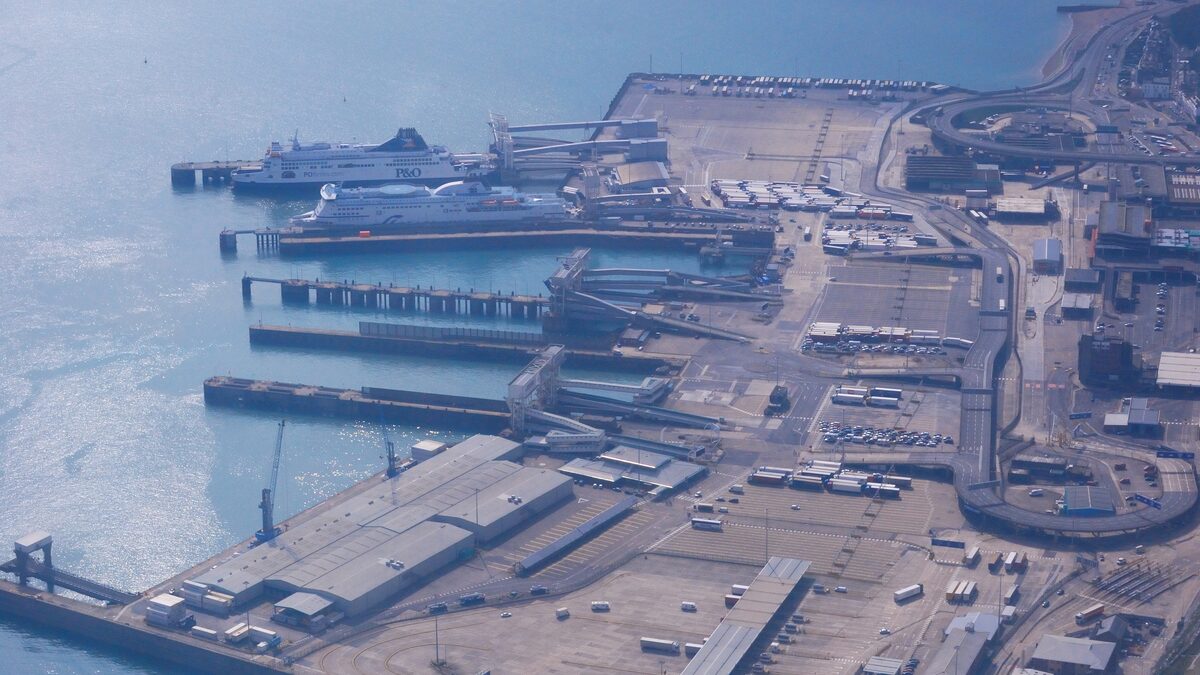
Cover image: an aerial view of the Dover ferry terminal with P&O ferries berthed — photo by Lieven Smits, CC BY-SA 4.0, via Wikimedia Commons.
Summer's soft launch of the EU Entry/Exit System is over. The temporary flexibilities that let border posts pause biometric checks when queues built up expire this weekend, with full procedures due to be strictly applied from September 6. For travellers that means fingerprints and facial scans as standard, and longer waits at the busiest crossings into Europe.
The easing had been used most heavily where juxtaposed controls squeeze UK and French checks into the same terminals. Expect the sharpest effects at Eurostar terminals, Dover, and Eurotunnel's Folkestone and Calais terminals, plus airports that installed self-service kiosks without fully activating them. This is a genuine new phase, not a repeat of the EES queue chaos of August: the story now is enforcement, not teething trouble.
What changes at the border from September 6?
Under the flexibility regime, posts could halt collection of facial images and fingerprint scans for up to six hours at a time, notifying EU authorities each time, and one EU source indicated further periods could follow back to back. That pressure valve now closes. In principle, every non-EU traveller entering Schengen faces the full biometric capture on every crossing.
Readiness looks patchy. Self-registration tablets planned for Port Boulogne Calais and self-service stations at larger airports have suffered data-transmission problems, with testing concentrated at Paris airports and regional sites such as Nice and Lyon. The French interior ministry says it is working to minimise the impact on control times, but even official sources describe the activation timetable as uncertain.
Which crossings face the worst queues?
Car passengers at Dover and Folkestone/Calais sit first in line for delays, because each vehicle must now be processed with biometrics rather than waved through during peaks. Eurostar, which used the pause continuously at St Pancras, Paris Nord, Brussels and Amsterdam, faces the same step-change in processing time per passenger.
Airports are a mixed picture. Hubs with working kiosks will absorb the change better than regional airports still testing kit. Travellers connecting through Europe should treat minimum connection times with suspicion this week and build in buffers, particularly on separate tickets where a missed connection is your own expense. Our roundup of Europe's 2026 tourist rules, fees and bans remains the best single briefing for the wider picture.
What should Indian travellers expect?
Indians are fully in scope: every non-EU nationality registers biometrics under EES. First-time registration takes longest, since it captures four fingerprints plus a facial image, while later trips match against the stored record. Families should keep children close during processing, carry passports (not just OCI cards or residence permits) at the control point, and allow extra time at both ends of a Eurostar or ferry journey.
The parallel Schengen visa process for Indians is unchanged: EES is a border procedure, not a visa, and it does not replace the visa requirement. But a trip that already needed an appointment at VFS now also needs patience at the border. Print hotel bookings and return tickets; officers checking fresh biometric records ask the classic questions more often.
Will the EU extend the grace period?
Possibly. France and seven other EU states plus Switzerland have asked Brussels to extend the flexibilities, which suggests the September 6 date could yet slip. The Connexion reporting stresses the qualifier: strict application is due "in principle, unless there is a delay." Operators and ports want the breathing room; the Commission wants the system finally running at specification after years of postponements.
Watch Monday morning at Dover and Folkestone. If queues stay normal, the extension (formal or informal) is doing its work. If lorry parks fill and Eurostar quotes extended check-in times, the strict regime has bitten. Either way, this autumn's cross-Channel traveller should plan for the system as specified, not as waived.
How the summer queues built up
The September tightening follows a summer of long waits after EES became fully operational on 10 April 2026. Euronews reported that Frankfurt's average July border wait doubled year on year to 120 minutes, Munich's rose from 31 to 60 minutes, and maximum waits at Amsterdam Schiphol climbed from 80 to 120 minutes, with peak queues of up to five hours reported at major hubs. The bottleneck is first-time registration (four fingerprints and a facial image), which almost every non-EU traveller needed in the system's first summer; a repeat check takes about 70 seconds, according to the European Commission. By early August, airports including Paris Charles de Gaulle, Amsterdam Schiphol, Frankfurt, Brussels and Milan were temporarily switching off biometric collection when queues built.
Frequently asked questions
What is ending with EES checks in September 2026?
The temporary flexibilities that let border posts pause fingerprint and facial-image collection for up to six hours at a time when queues built up. With the grace period expiring, full biometric checks apply as standard from September 6, unless the EU grants the extension France and seven other states plus Switzerland requested.
Which crossings will have the longest EES queues?
Eurostar terminals, Dover ferry port and Eurotunnel's Folkestone and Calais terminals used the pause most and face the biggest adjustment. Airports with unactivated self-service kiosks, including several regional French airports, are the next risk point.
Does EES apply to Indian passport holders?
Yes. All non-EU nationals entering the Schengen area register fingerprints and a facial image on first entry, then verify against that record on later trips. EES does not replace the Schengen visa, which Indians must still obtain before travel.
How can travellers cut EES waiting time?
Travel off-peak where possible, arrive at Eurostar and ferry terminals earlier than the operator minimum, keep passports out (not phone photos), and allow generous buffers on flight connections. First-time registrants should expect the slowest processing.