IndonesiaWISE CEO Amol Titus says fragile temples, beaches and mangroves need carrying capacities and timed pre-booking, not closures. What it means for Bali trips.
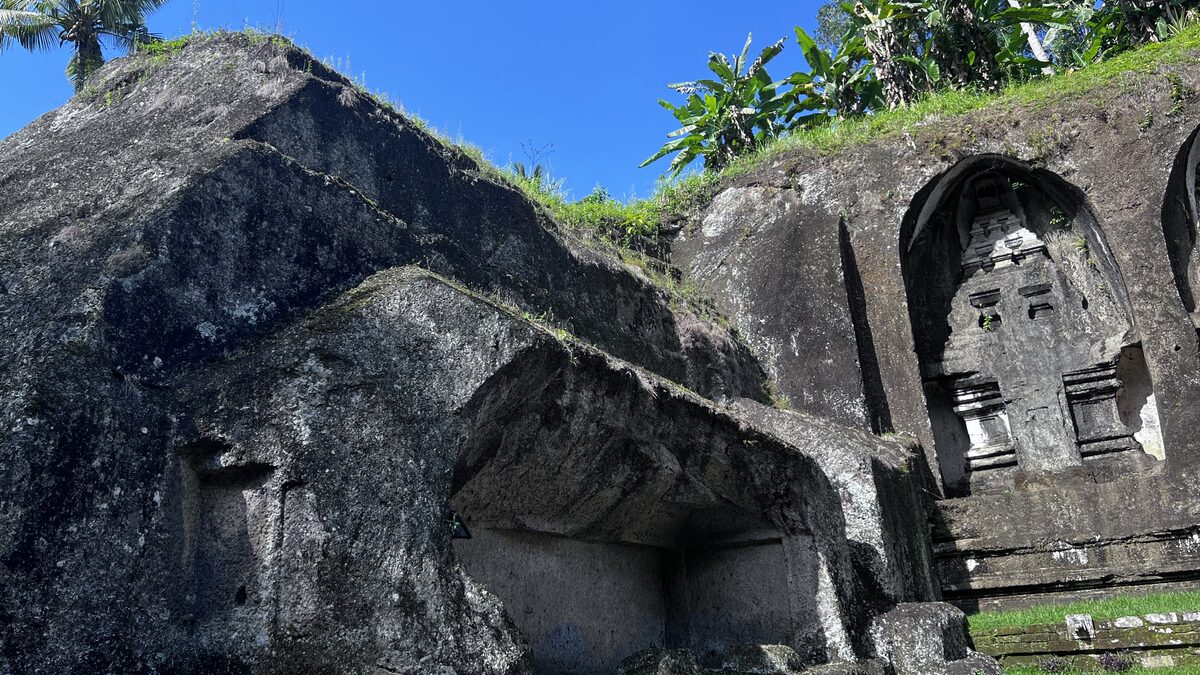
Cover image: rock-cut shrines at Gunung Kawi temple in Bali under a clear sky — photo by Pinterpandai.com, CC BY 3.0, via Wikimedia Commons.
Indonesia should set hard visitor limits for its most fragile sites and sell entry in timed slots, rather than ever closing them. That is the argument from Amol Titus, CEO of IndonesiaWISE, speaking on RRI's Voice of Indonesia talk show on September 1: "Over tourism is a threat. But the answer is not to close the tourism. The answer is to manage the tourism."
The intervention lands as Indonesia wrestles with record arrivals concentrated on a handful of icons. Titus named temples, natural areas, beaches and mangrove sites as the categories under strain, singling out temple complexes as places where overflowing capacity damages both ecosystems and heritage assets. Site capacity, he noted, does not grow just because demand does.
What did IndonesiaWISE actually propose?
Three linked measures. First, identify fragile destinations and define their carrying capacity: a number, per site, beyond which visits degrade the asset. Second, regulate total numbers and organise movement inside the site, so crowds spread across routes and time rather than crushing one viewpoint at noon. Third, adopt pre-booking with assigned time slots, citing the timed-entry system for Leonardo da Vinci's The Last Supper in Milan as the working model.
The philosophy underneath is balance: keep visitor satisfaction and income goals, but protect sustainability for coming generations. "Let's preserve the natural environment. Let's preserve the heritage," Titus said. It is a management doctrine, not a moratorium.
Which Indonesian places are under pressure?
Titus spoke in categories rather than naming sites, but the map fills itself in. Borobudur already rations access to its upper terraces. Bali's temples and beaches absorb the bulk of the country's arrivals. Mangrove boardwalks and small-island marine parks have obvious physical limits. The pattern matches the global one we tracked in Europe's overtourism backlash, from Barcelona's tourist tax to Venice's entry fee: the asset is fixed, demand is not, and the adjustment comes through price, slots or caps.
Heritage protection has a live domestic parallel. In Lombok, the traditional village of Sade is being rebuilt under a ministry-backed reconstruction plan that adds fire points, water tanks and sanitation while keeping traditional materials: preservation funded by tourism, designed around it. Titus's framework would put that kind of planning before the crisis, not after the fire.
How would timed entry work for temples and beaches?
The Last Supper model is instructive because it is strict: small groups, fixed 15-minute windows, tickets released in tranches, sold out weeks ahead. Applied to a temple complex, that means morning and afternoon tranches, a cap per tranche, and no ticket touts at the gate. Applied to a beach or mangrove walk, it means entry windows tied to carrying capacity, possibly with dynamic pricing for peak slots.
Indonesia already experiments with event-scale crowd management. Around the Mandalika MotoGP, organisers set up evaluated beach camping with washrooms and shops rather than letting fans sprawl unmanaged. Timed entry extends the same logic from events to everyday icons.
What does this mean for your Bali trip?
Nothing immediate: no caps, fees or booking mandates were announced, and a talk-show proposal is not policy. But the direction of travel is clear, and travellers can front-run it. Book popular temples for early-morning slots where offered, accept that upper terraces and sunrise viewpoints may need advance tickets, and consider second-tier sites (which is exactly what the ministry's beyond-Bali push wants anyway).
If Indonesia adopts the Titus doctrine, the winners will be planners: visitors who reserve ahead and travel off-peak. The losers will be turn-up-and-queue habits. Given how that trade has already gone in Venice, Barcelona and Milan, the smart money books early.
Frequently asked questions
Is Indonesia closing tourist sites over overtourism?
No. IndonesiaWISE CEO Amol Titus explicitly rejected closures, saying the answer is to manage tourism, not close it. His September 1 proposals cover carrying capacities, regulated numbers and timed pre-booking. No government closure or cap has been announced.
What is tourist carrying capacity?
The maximum number of visitors a site can absorb without degrading its environment, heritage fabric or visitor experience. Titus argues each fragile Indonesian destination should define this number and then manage entries against it, as heritage attractions in Italy already do.
How does timed entry like the Last Supper work?
Visitors book fixed time windows in small groups, with tickets released in tranches that sell out ahead. It spreads demand across the day, guarantees entry for planners and caps total footfall. Titus holds it up as the model for Indonesian temples and natural sites.
Which places in Indonesia face overtourism?
Titus named categories: temples, natural areas, beaches and mangrove sites, with temple complexes singled out as most vulnerable. Borobudur already limits upper-terrace access, and Bali's icons absorb the heaviest volumes.