Yes, Indian ordinary passport holders need a visa for Vietnam in 2026. The 90-day e-Visa costs USD 25 for single entry or USD 50 for multiple entry and is accepted at 17 airports plus land and sea ports.
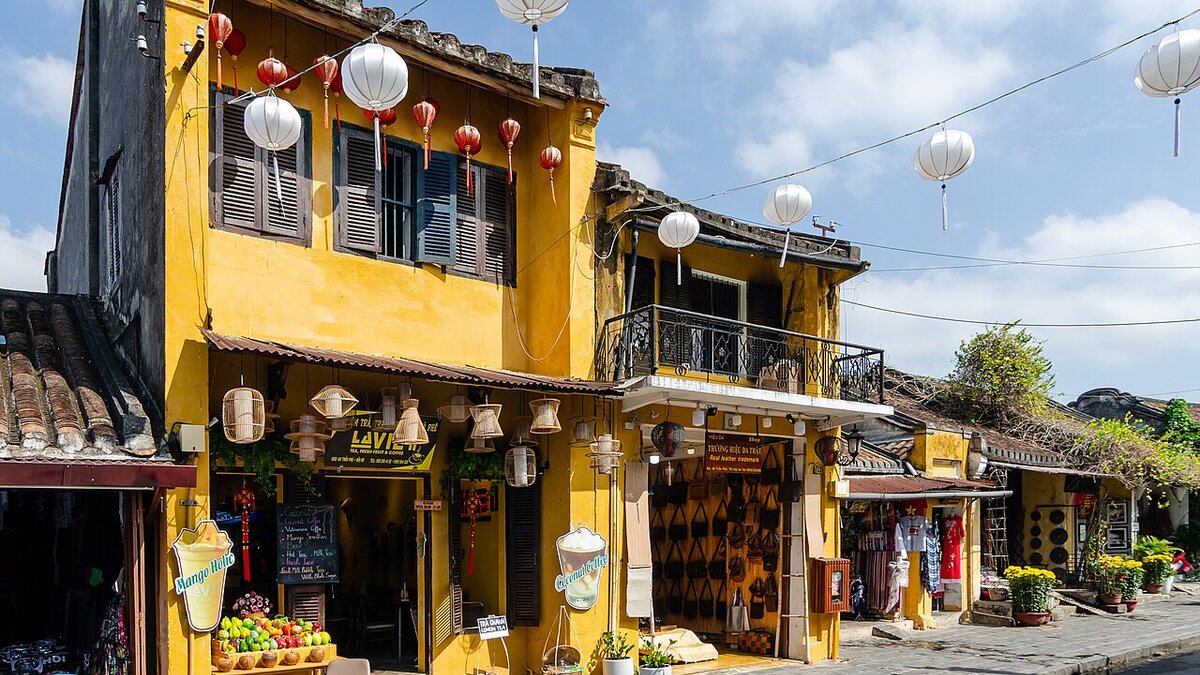
Cover image: lantern-lit street in Hoi An Ancient Town, Vietnam — photo by Steffen Schmitz (more photos), CC BY-SA 4.0, via Wikimedia Commons.
Yes, Indian citizens with an ordinary passport need a visa for Vietnam in 2026 — there is no visa-free entry for Indians except for a single 30-day case on Phu Quoc Island. The easiest route is Vietnam's electronic visa (e-Visa) issued since 15 August 2023 to citizens of all countries. It costs USD 25 for a single-entry visa or USD 50 for multiple entry, is valid for up to 90 days, and is accepted at 17 international airports, most major land borders and more than 25 seaports. You apply on the official Immigration portal evisa.xuatnhapcanh.gov.vn, upload a passport scan and photo, pay online and receive the visa by email to print and carry.
Vietnam does not offer Visa on Arrival without prior approval, and the Phu Quoc exception only works if you fly directly to the island and stay there. For everyone else transiting Hanoi or Ho Chi Minh City first, the e-Visa is the document you need. Allow a few working days for approval and double-check that your planned entry point is on the accepted list before you book.
For context inside the region, see Vietnam e-Visa requirements for 2026 which covers the same portal in generic form, do I need a visa for Cambodia from India if you are combining both countries on one trip, and best time to visit Vietnam in 2026 to time your 90-day window around dry season.
Do Indians need a visa for Vietnam?
Indian ordinary passports are not on Vietnam's visa-exempt lists for 14, 21, 30, 45 or 90 days, so a visa is required for every entry via Hanoi, Ho Chi Minh City, Da Nang, Phu Cat, Cam Ranh, Phu Quoc (unless you qualify for the island-only exemption), and all land and sea borders. The English Wikipedia summary of Vietnam's visa policy states this explicitly: visitors must obtain an e-Visa unless they are citizens of a visa-exempt country, and India is not listed among them except for diplomatic, official and service passports which get 30 days without a visa.
That last line matters only if you hold a non-ordinary passport. For the vast majority of Indian tourists, business travellers and students, the answer stays yes. Transit without a visa is only allowed for under 24 hours inside the sterile area without leaving the airport; leaving the airport to change terminals or stay overnight requires a visa.
What are your visa options from India in 2026?
Three practical routes exist for Indian passport holders this year:
- e-Visa (recommended for most travellers): Single or multiple entry, up to 90 days. Fee USD 25 single, USD 50 multiple, paid online. Apply at evisa.xuatnhapcanh.gov.vn, enter personal and passport data, upload a recent photo and the biographical page of a passport valid at least six months beyond entry with at least one blank page.
- Visa on Arrival with pre-approval letter (airports only): You obtain a letter issued and stamped in Hanoi, Da Nang or Ho Chi Minh City through a Vietnamese agency before you fly, then get the visa stamped at one of seven airports: Hanoi Noi Bai, Ho Chi Minh City Tan Son Nhat, Da Nang, Phu Quoc, Hai Phong Cat Bi, Da Lat Lien Khuong or Nha Trang Cam Ranh. It can be issued for 1 or 3 months but involves an extra service fee and queue on arrival, so most Indians now choose the e-Visa.
- Phu Quoc 30-day visa-free: If you arrive directly at Phu Quoc from outside Vietnam and remain on the island for up to 30 days, you can enter without any visa. If you land elsewhere in Vietnam first and then connect domestically to Phu Quoc, you need a visa for that first entry. Arriving via Hanoi or Ho Chi Minh City international airports and transferring to the domestic terminal without clearing immigration still preserves the exemption only if your tickets are booked as a single through-transfer to Phu Quoc.
| Option | Validity | Fee for Indians | Entry points | Best for |
|---|---|---|---|---|
| e-Visa single | Up to 90 days, 1 entry | USD 25 | 17 airports, major land borders, 25+ seaports | Single holiday or business trip |
| e-Visa multiple | Up to 90 days, multiple | USD 50 | Same list as above | Multi-country loop returning to Vietnam |
| VOA with letter | 1 or 3 months | Government fee + agency letter fee | 7 airports only | Last-minute flyers via agencies |
| Phu Quoc free | 30 days, island only | Free | Phu Quoc International Airport direct | Beach-only stay without mainland |
Processing for the e-Visa is commonly quoted as about three working days, though the official portal advises to apply well before travel in case additional checks are needed. Print the e-Visa on A4 and carry it with the passport used for the application; airlines check it at boarding in India and immigration checks it again on arrival.
Which airports and borders accept the Vietnam e-Visa?
The e-Visa is widely accepted but not universal, so match your booking to the list. For air, the 17 airports named in the visa policy include Noi Bai (Hanoi), Tan Son Nhat (Ho Chi Minh City), Cam Ranh (Nha Trang), Da Nang, Cat Bi (Hai Phong), Can Tho, Phu Quoc, Phu Bai (Hue), Van Don, Lien Khuong (Da Lat), Tho Xuan (Thanh Hoa), Dong Hoi, Phu Cat (Quy Nhon), Vinh and Chu Lai. Long Thanh and Gia Binh are listed but not yet in operation, so disregard them in 2026.
Land borders with China, Laos and Cambodia that accept the e-Visa include Mong Cai, Huu Nghi, Lao Cai, Tay Trang, Cau Treo, Cha Lo, Lao Bao, Bo Y, Moc Bai, Xa Mat, Tinh Bien and Ha Tien among others. Sea entry is broader still, with 25 ports from Hon Gai and Hai Phong in the north down to Da Nang, Nha Trang, Quy Nhon, Vung Tau, Ho Chi Minh City port and Duong Dong on Phu Quoc. If you plan to enter by cruise or cross from Cambodia by bus via Bavet-Moc Bai, the e-Visa covers those corridors; verify the exact crossing name on the visa when it is issued.
Internal link for cross-border planning: Thailand-Cambodia border travel warning for 2026 is useful if a wider Southeast Asia itinerary touches that land crossing.
How to apply step by step from India
The official process is fully online and takes about 15 minutes of form filling:
- Step 1 — Prepare: Passport with at least six months validity and one blank page, a recent 4x6 cm photo on white background, your India address, Vietnam address for the first night, and entry and exit points and dates within a 90-day span.
- Step 2 — Apply: Create an account on evisa.xuatnhapcanh.gov.vn, choose single or multiple entry, fill personal and passport fields exactly as printed, upload the photo and passport page, and review for typos. A common rejection reason is a mismatch between the name line and the passport machine-readable zone.
- Step 3 — Pay: USD 25 for single or USD 50 for multiple by card. The fee is non-refundable even if the visa is refused or you change plans, so check your eligibility and 90-day window carefully.
- Step 4 — Wait and download: You receive an email when the e-Visa is granted. Download the PDF, print it, and carry a paper copy. Border officers rarely accept a phone screen alone.
- Step 5 — At departure and arrival: Present the printed e-Visa and passport at check-in in India and again at Vietnam immigration. Ensure the entry point, validity dates and passport number on the visa match your travel documents.
Indian applicants sometimes ask about the older e-Visa that was limited to 30 days. That cap was raised to 90 days on 15 August 2023, so you can now cover a longer holiday or a combined north-to-south itinerary on one visa.
What to check before you fly
A few India-specific checks prevent the most common issues at Delhi, Mumbai, Bengaluru and Hyderabad airports:
- Return or onward ticket and proof of accommodation are not always asked but can be requested, especially when your stay is close to 90 days.
- The Visa on Arrival letter route is not the same as visa-free arrival. Without the letter pre-issued in Vietnam before departure, you will be denied boarding in India, so do not rely on getting a visa at the airport without it.
- For families, each traveller including infants needs a separate e-Visa; there is no family bundle.
- Phu Quoc-only travellers who want to add even a one-night side trip to Ho Chi Minh City or Hanoi must hold an e-Visa for that mainland portion; the 30-day island exemption does not extend once you leave Phu Quoc airspace.
If you are timing travel around Diwali or winter school break, read best time to visit Vietnam for why central Vietnam is wettest in October and November while the north is driest then, and is Vietnam safe for Indian tourists for FCDO safety notes on petty crime and scams that sit alongside visa planning.
Frequently asked questions
Do Indians need a visa for Vietnam in 2026?
Yes, ordinary Indian passports need a visa for Vietnam. The 90-day e-Visa is available to Indians for USD 25 single entry or USD 50 multiple entry via evisa.xuatnhapcanh.gov.vn. Only diplomatic, official and service passports are exempt for up to 30 days, and only Phu Quoc offers a 30-day visa-free stay if you fly directly there and do not visit the mainland.
How much is the Vietnam e-Visa fee for Indians?
USD 25 for a single-entry 90-day e-Visa and USD 50 for a multiple-entry 90-day e-Visa. The government fee is paid online during application and is non-refundable. Visa on Arrival involves a separate agency letter fee plus the government stamping fee at the airport.
How long does the Vietnam e-Visa take from India?
Most applicants receive the e-Visa within about three working days, though you should allow extra time and apply at least a week before departure. Delays can occur around Vietnamese public holidays or if your photo or passport scan needs correction.
Can I get a visa on arrival in Vietnam from India?
Only if you have arranged a pre-approval letter issued and stamped in Hanoi, Da Nang or Ho Chi Minh City before you fly. Without that letter you cannot obtain a visa at the airport. The e-Visa is the simpler airport option for most Indians and is accepted at 17 airports including Hanoi, Ho Chi Minh City and Da Nang, plus many land and sea borders.
Is Vietnam visa on arrival cheaper than e-Visa for Indians?
No, the e-Visa is generally cheaper and more predictable. The headline government fee for a single-entry e-Visa is USD 25 versus a similar or higher government stamping fee for Visa on Arrival plus an agency service charge of USD 10 to 30 for the letter. Convenience and acceptance at more entry points also favour the e-Visa.
Sources
- Wikipedia — Visa policy of Vietnam (India not visa-exempt, 90-day e-Visa for all nationalities since 15 Aug 2023, USD 25/50, Phu Quoc 30-day direct exemption, VOA with pre-approval)
- Vietnam Immigration Department — Official e-Visa portal (application and entry-point list)
- UK FCDO — Vietnam entry requirements (e-Visa and passport validity guidance)