Cheapest place to fly into Southeast Asia: Kuala Lumpur or Bangkok win from most Indian cities. Gateway fares, open-jaw tricks and cheap onward hops explained.
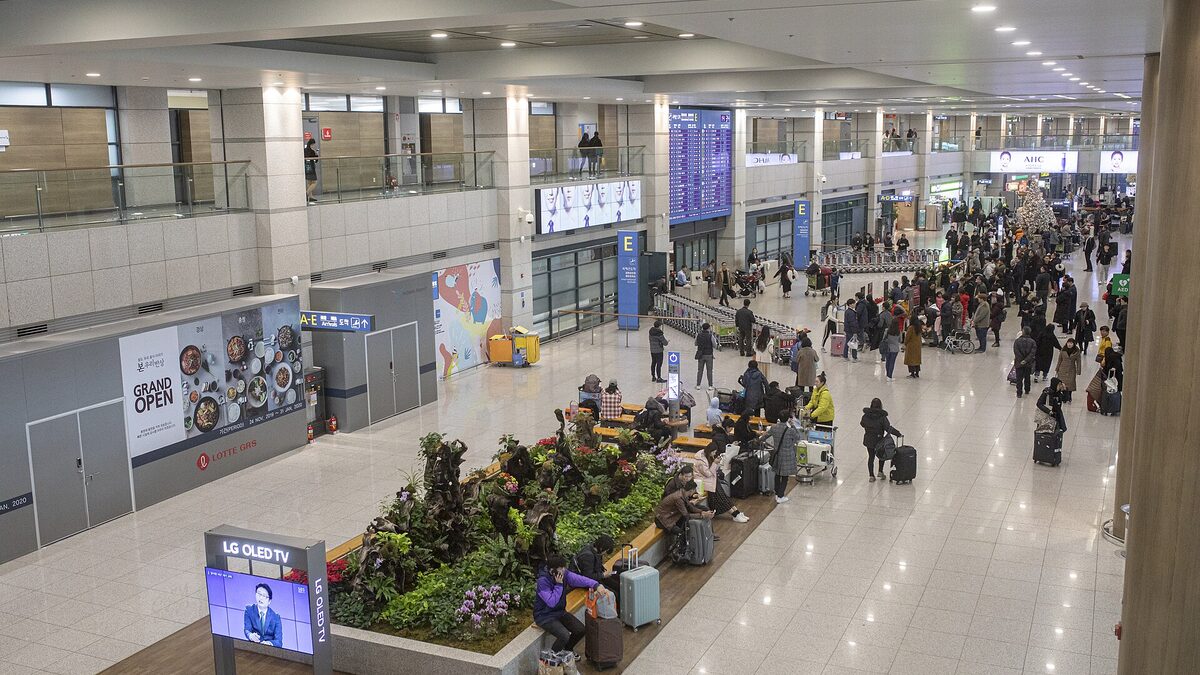
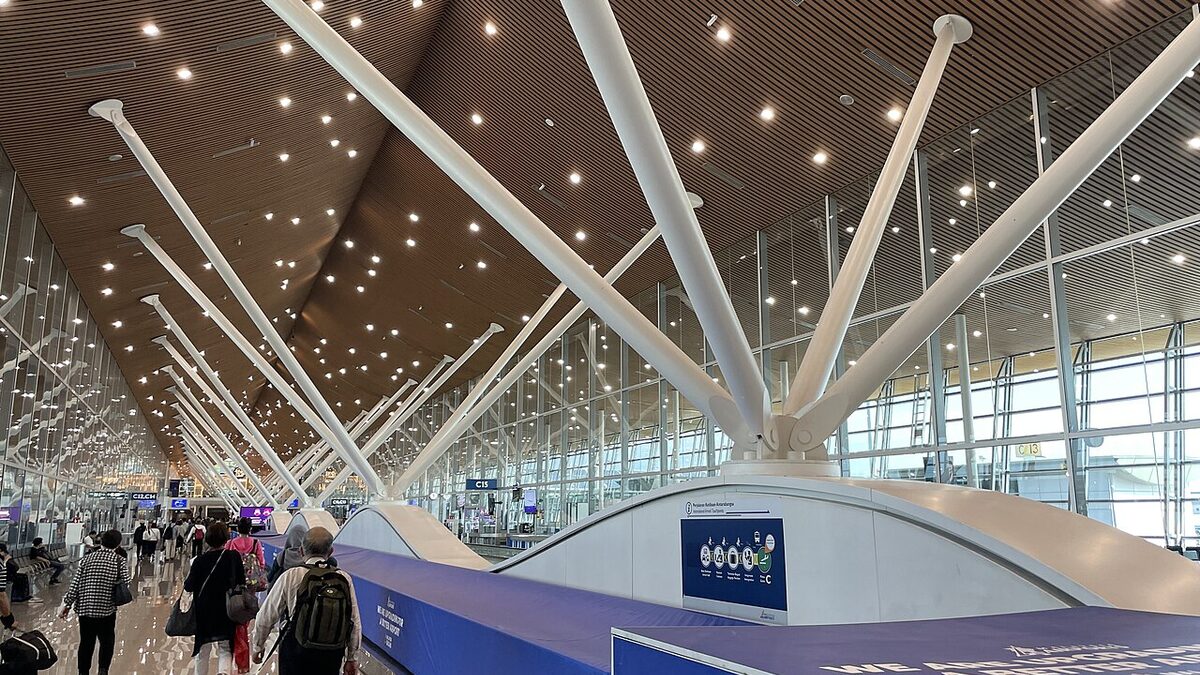
Cover image: the terminal interior at Kuala Lumpur International Airport, a budget gateway to Southeast Asia — photo by Eugene Ormandy, CC0, via Wikimedia Commons.
The cheapest place to fly into Southeast Asia is usually Kuala Lumpur or Bangkok, and the winner depends on where in India you start. From Delhi and Mumbai, return fares to Bangkok (BKK/DMK) and Kuala Lumpur (KUL) commonly list between INR 16,000 and 28,000 outside peak season on AirAsia, Thai and Malaysia Airlines. Singapore and Bali almost always cost more as a first touchdown. The rule that saves real money: price the gateway separately from the holiday, then hop onward on Asia's ultra-cheap low-cost network, where one-hour flights routinely sell for INR 2,000 to 4,000.
Which Southeast Asian gateway is cheapest from India?
Four airports handle nearly all budget traffic from India, and they are not priced equally. Kuala Lumpur (KUL) is AirAsia's home base, with the densest low-cost connections onward to Thailand, Vietnam, Bali and the Philippines. Bangkok splits traffic between Suvarnabhumi (BKK, full-service) and Don Mueang (DMK, low-cost), and fares from Delhi, Mumbai and Kolkata are routinely the lowest of any Southeast Asian capital. Singapore (SIN) typically adds INR 3,000 to 6,000 over Kuala Lumpur but can be worth it if your trip centres on Singapore, Malaysia and Indonesia. Jakarta and Bali (DPS) are the priciest first stops from India, since almost every itinerary connects through one of the three hubs above.
Match the gateway to your origin city. Delhi and Mumbai have the widest choice into Bangkok and Kuala Lumpur. South Indian cities (Chennai, Kochi, Hyderabad, Bengaluru, Tiruchchirappalli) lean toward Kuala Lumpur and Singapore on AirAsia, Batik Air and Malaysia Airlines. Kolkata looks east to Bangkok. Travellers heading specifically to Vietnam should compare Hanoi and Ho Chi Minh City against a Bangkok-plus-hopper ticket, as our Vietnam visa guide for Indians notes when costing the route.
| Gateway | Typical Delhi return, off-peak | Visa for Indians | Why fly in here |
|---|---|---|---|
| Bangkok (BKK/DMK) | INR 16,000-26,000 | 30 days visa-free | Cheapest fares, huge onward network |
| Kuala Lumpur (KUL) | INR 17,000-28,000 | 30 days visa-free to 31 Dec 2026 | AirAsia megahub, best for multi-country hops |
| Singapore (SIN) | INR 20,000-32,000 | Visa required in advance | Worth it for Singapore-Malaysia trips |
| Bali (DPS) | INR 34,000-58,000 via hub | Visa on arrival, IDR 500,000 | Only if Bali is the whole trip |
Should you fly open-jaw into one city and out of another?
Yes, for any trip covering two or more countries. A multi-city ticket such as Delhi to Bangkok, returning from Singapore or Hanoi, often prices within a few thousand rupees of a simple return, and it deletes an entire backtracking flight. The classic budget loop is Bangkok in, overland or hopper to Siem Reap or Ho Chi Minh City, out of Hanoi or Singapore. Price it as one multi-city search rather than two one-ways; full-service carriers generally handle open-jaw pricing better than low-cost ones.
Two practical notes. First, Indian passport holders get 30 days visa-free in Thailand and, until 31 December 2026, in Malaysia with a free Malaysia Digital Arrival Card filed within three days of arrival, details in our Malaysia visa guide for Indians. Singapore still needs a visa arranged in advance, so do not pick it as a spontaneous gateway. Second, the best time to visit Singapore from India runs nearly year-round, which makes it a flexible exit point whatever month you travel.
How do you keep the onward hops cheap?
Once inside Southeast Asia, the pricing logic flips: distances are short and competition is brutal. Book AirAsia, VietJet, Cebu Pacific and Scoot segments three to six weeks out, travel with only a 7 kg cabin bag to dodge add-on fees, and prefer Tuesday to Thursday departures. A Bangkok to Siem Reap or Kuala Lumpur to Bali hop routinely lists at INR 2,000 to 4,000 one-way in sale periods.
Watch the airports, not just the fares. Don Mueang and Suvarnabhumi are an hour apart in Bangkok traffic, and AirAsia uses KUL Terminal 2 while Malaysia Airlines uses Terminal 1, so self-connections need a four-hour minimum. Factor baggage: the headline fare rarely includes checked bags, and two hops with 20 kg added can erase the saving over one through-ticket. Singapore is the exception that proves the rule: it is expensive for Indian tourists on the ground, but Changi's connection quality can still make it the cheapest door-to-door option for Malaysia-Singapore itineraries.
Frequently asked questions
What is the cheapest airport to fly into in Southeast Asia?
For most Indian cities, Bangkok Don Mueang or Kuala Lumpur Terminal 2, both served by AirAsia's network. Compare both on every search; the cheaper one flips with sales and season.
Is it cheaper to fly into Bangkok or Singapore?
Bangkok, by roughly INR 3,000 to 6,000 return from Delhi in off-peak months. Choose Singapore only when the trip centres there or the fare gap closes under INR 2,000.
How early should Indians book Southeast Asia flights?
Six to eight weeks out for the India-to-gateway leg, three to six weeks for hops inside the region. December and Pongal/Sankranti weeks sell earliest and discount least.
Do I need a visa for a layover in Kuala Lumpur?
Indians transiting without leaving the airport need no visa. If you step out, even for a day, the 30-day visa-free entry (to 31 December 2026) plus the MDAC arrival card covers you.