Can you drink tap water in Cambodia in 2026? No, tap is not safe. Bottled water, safe ice rules, prices and brushing-teeth advice for travellers.
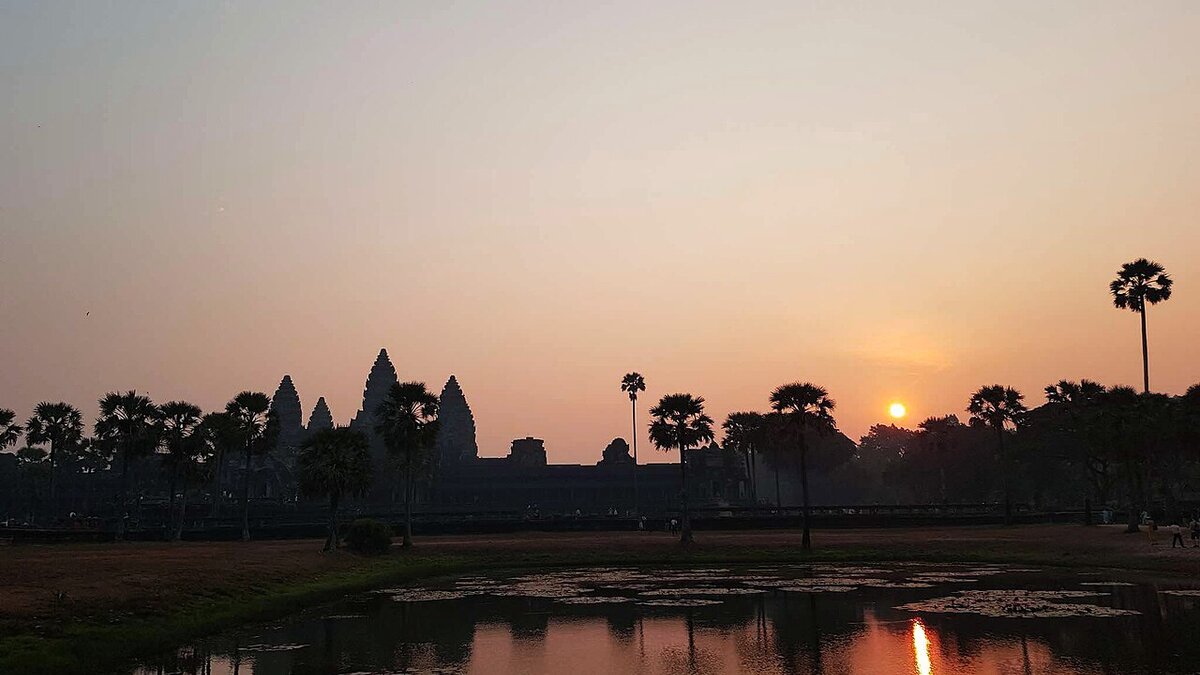
Cover image: Angkor Wat temple reflecting at sunrise in Siem Reap Cambodia — photo by Martaapue, CC0, via Wikimedia Commons.
No, you should not drink tap water in Cambodia in 2026. Only about 29% of Cambodians themselves use safely managed drinking water (World Bank, 2022), and travel-health authorities advise visitors to treat tap as non-potable across the country, including in Phnom Penh and Siem Reap. Piped water may leave the treatment plant in reasonable shape, but ageing pipes, intermittent pressure and rooftop storage tanks mean what reaches your glass can carry bacteria and sediment. A careless glass of tap water is the fastest route to travellers diarrhoea, which ruins more Angkor itineraries than rain. The fix is simple and cheap. Drink sealed bottled water, choose your ice carefully, and brush with bottled water for the first days.
For wider trip planning see do you need a visa for Cambodia from India which covers e-Visa and visa on arrival, is Cambodia safe for Indian tourists for scams and street safety, best time to visit Cambodia from India for dry versus wet season, and can you drink tap water in Vietnam which shares the same bottled-only rule next door.
Why is tap water not safe in Cambodia?
Food and water standards vary by destination, and Cambodia sits at the cautious end of the scale. The US CDC groups it among countries where travellers should choose safe food and drinks actively and avoid contaminated water. The World Bank's 2022 figure (28.9% of the population using safely managed drinking water) tells the story. Most households, and therefore most hotel pipes and restaurant kitchens, sit outside the safely managed category.
Phnom Penh has the country's best utility, the Phnom Penh Water Supply Authority, and urban access to improved sources looks good on paper. But improved is not the same as safe at the tap. Pressure drops during outages can suck contaminants into pipes, and hotels store water in rooftop tanks of uneven cleanliness. Siem Reap, Sihanoukville and the islands run on a mix of municipal lines, wells and private suppliers with even less consistency. The position is unchanged from recent years. Boil it, filter it, or buy it sealed.
What is safe to drink instead of the tap?
| Water choice | Safe for tourists | Where you find it | Fair price 2026 |
|---|---|---|---|
| Sealed bottled water | Safe everywhere | Shops, markets, hotels, Angkor vendors | A couple of thousand riel (about half a US dollar) for 1.5 litres |
| Hotel filtered dispensers | Safe if maintained | Mid-range and upscale hotel lobbies | Usually free for guests |
| Factory tube ice | Safe | Malls, hotel bars, chain restaurants | Included with drink |
| Tap water and roadside crushed ice | Not safe | Street stalls, small eateries with open ice buckets | Avoid at any price |
Cambodia runs on two currencies, and water shows why that helps. A 1.5-litre sealed bottle usually costs a couple of thousand riel, roughly half a US dollar at the steady rate near 4,000 riel to the dollar. Twenty-litre refill jugs serve guesthouses and long-stay hotels. Carry a 1-litre bottle on temple days. Angkor Wat means four to six hours in 32 to 34C heat, and vendors inside the park charge tourist prices for small chilled bottles.
Is the ice safe in Cambodia?
Tube ice with holes through the middle comes from purified-water factories and is safe in malls, hotels and proper restaurants in Phnom Penh and Siem Reap. Crushed or block ice of unknown origin, sitting open in a roadside bucket, can be made from tap water and is the classic hidden cause of a sick day. When in doubt, order drinks without ice away from established places.
Fruit shakes deserve the same caution. A mango shake blended with crushed street ice carries the same risk as the ice itself. Buy shakes at juice bars that use tube ice or bottled water, and peel fruit yourself rather than eating pre-cut platters from stalls. These two habits prevent more stomach trouble than any medication you pack.
Can you brush your teeth with tap water in Cambodia?
Use bottled water for brushing for at least the first two or three days, and for the whole trip if your stomach is sensitive. Keep your mouth closed in the shower. Short-stay visitors who follow this rule, drink only sealed water and skip roadside ice almost always stay well. If you do get diarrhoea, oral rehydration salts from any pharmacy, continued fluids and bland food settle most cases in a day or two. Seek a clinic if there is fever, blood or no improvement after 48 hours. International-standard clinics operate in Phnom Penh and Siem Reap.
Frequently asked questions
Can you drink tap water in Phnom Penh hotels?
No. Even in Phnom Penh, with the country's best water utility, hotel tap is not guaranteed safe at the glass. Use the sealed bottles provided and refill at lobby dispensers.
What happens if you drink tap water in Cambodia?
Most likely travellers diarrhoea within 12 to 72 hours, with cramps and loose motion lasting a day or two. Serious illness from a single glass is uncommon, but the ruined Angkor day is reason enough to stick to bottled.
Is ice safe in Siem Reap restaurants?
Tube ice in established restaurants, hotels and malls is safe. Avoid crushed or block ice at roadside stalls and small eateries where its origin is unknown.
Can you brush your teeth with tap water in Cambodia?
Use bottled water for brushing, at least for the first days. Keep your mouth closed in the shower, and use bottled or boiled water for infants formula throughout the trip.