No, tap water in the Philippines is not safe to drink in 2026. Stick to sealed bottled water, filtered refill stations and ice made from purified water.
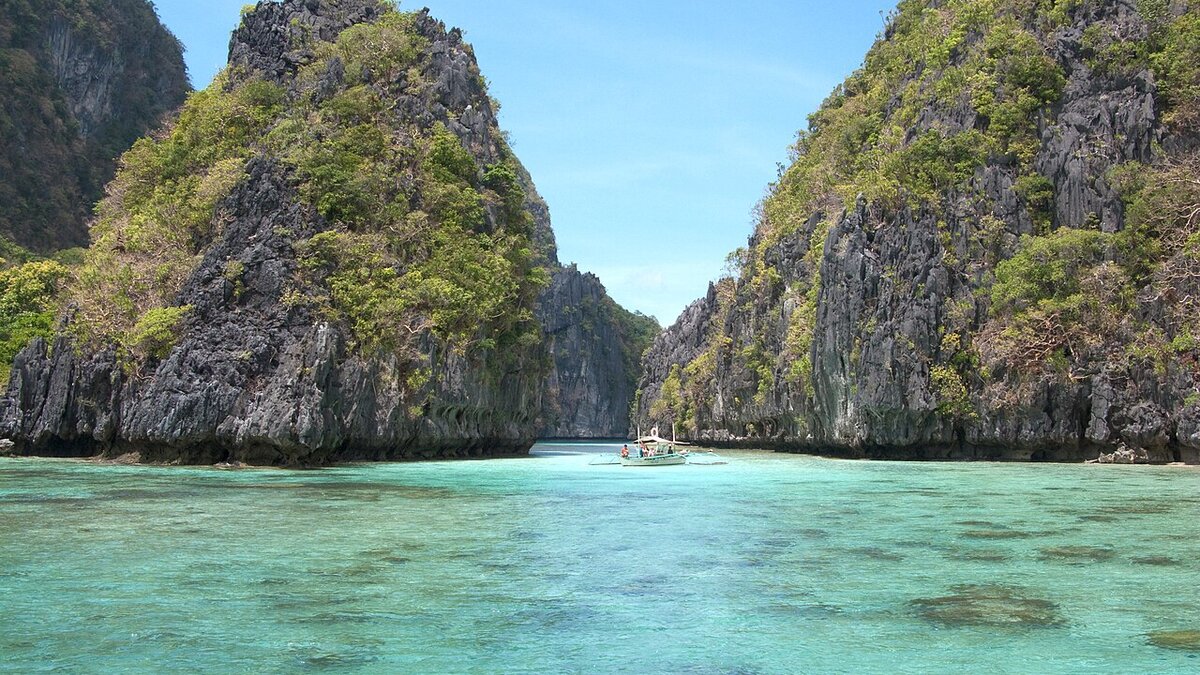
Cover image: El Nido limestone lagoon and turquoise water in Palawan Philippines — photo by Vyacheslav Argenberg, CC BY 4.0, via Wikimedia Commons.
No, you should not drink tap water in the Philippines in 2026. The US CDC, the UK FCDO and the Philippines Department of Health all advise visitors to treat tap as non-potable islandwide, including in Manila, Cebu and Palawan. Piped supply in Metro Manila is chlorinated at source but the last mile of pipes and rooftop or ground tanks in hotels, apartments and restaurants is variable, so even in Makati and BGC the tap is not guaranteed safe at the glass. In Palawan, Boracay, Siargao and smaller islands, supply is from wells or municipal lines with intermittent service and higher turbidity. A short stay with tap water often ends in travellers’ diarrhoea, which affects 20 to 40 percent of visitors who drink tap or unwashed salad. Drink sealed bottled water, use filtered refill stations, and ask for drinks without ice away from malls.
The good news is safe water is cheap and everywhere. A 500 ml sealed bottle is PHP 15 to 35 in supermarkets and PHP 35 to 60 at airports, and the ubiquitous blue 5-gallon purified refills cost PHP 20 to 40 per refill at water stations on every block. For health context see is Philippines safe for Indian tourists which flags diarrhoea as the top issue, can you drink tap water in Vietnam for a similar non-potable country nearby, can you drink tap water in Thailand which shares the same advice, and how much Philippines trip costs from India for daily water and sim budgets in INR.
Why is tap water not safe in the Philippines?
At treatment, Manila Water and Maynilad meet national standards. The risk appears after that. Pipes leak, pressure drops during outages, and rooftop tanks are cleaned unevenly, so bacteria, sediments and occasional coliform regrow before the tap. The Joint Monitoring Programme still classifies much of the island supply beyond the main treatment as not safely managed for direct drinking. The 2026 position mirrors 2023 to 2025: boil or filter islandwide if you must use tap.
- Metro Manila and Cebu City: taps look clear but are not potable. Hotels place a bottled pair for brushing and drinking for a reason.
- Palawan and Boracay: ground water with higher hardness and occasional brackish mix near the coast. El Nido lagoons look turquoise but town taps are from wells.
- Rural and island hops: some barangays have scheduled supply only 4 to 12 hours per day, stored in tanks that sit warm.
A short quality note. Locals often drink tap at home after boiling. That home boil step is the gap travellers skip when they drink straight.
What is safe instead of the tap?
| Water choice | Is it safe for tourists | Where you find it | Fair price 2026 |
|---|---|---|---|
| Sealed bottled water | Safe everywhere | Supermarkets, 7-Eleven, hotels, airports | PHP 15 to 35 500 ml, PHP 60 to 90 1.5 L |
| Filtered refill stations | Safe if seal is intact and station looks clean | Water stations on every block, malls | PHP 20 to 40 per 5-gallon, PHP 5 to 10 per litre |
| Ice from purified water | Safe in malls, chains, hotels | SM malls, Starbucks, McDonald’s, hotel bars | Included with drink |
| Tap and roadside ice | Not safe | Roadside stalls, carinderia ice from tap | Avoid even if free |
Brush with bottled water the first two days, then decide by hotel. If the hotel labels the tap not for drinking, believe it. Peel fruit, skip pre-cut salad from street stalls, and keep rehydration salts if you get loose motion in the first 48 hours. The Philippines heat at 30 to 33C means you need 2 to 3 litres per day, so carry a 1 litre refill bottle rather than buying five small bottles.
Manila versus Palawan versus Cebu on the ground
Manila is the most controlled but still non-potable. Even in BGC luxury hotels, management tells guests not to drink the tap. For ice, SM and Ayala malls, hotel restaurants and global chains use tube ice from purified suppliers and are safe. Away from malls, assume ice is from tap in carinderias and small karaoke bars.
In El Nido and Coron, trust branded bottled only. Many guesthouses advertise filtered refills where water is passed through 3-stage filters plus UV. Those are safe if the crew shows a dated filter log and the blue cap seal is unbroken. In Cebu and Boracay, the same mall safe and roadside not safe split applies. For diving on Palawan, dive shops that fill your bottle from their 5-gallon station are usually reliable; the shop’s log matters more than the island name.
How to avoid diarrhoea from water in the Philippines
India to Philippines is a short hop where stomachs meet new flora. The simple rules keep you well. Drink only sealed or station filtered, say no ice outside malls, wash hands before eating, eat hot cooked food, peel fruit yourself, and avoid lettuce rinsed in tap. If you must use tap for brushing after day two, keep mouth closed in the shower. For infants, reconstitute formula with bottled or boiled water only and sterilise bottles as at home.
A final span for nuance. If a hotel offers a hot water kettle, boiling tap vigorously for one full minute covers the CDC’s boil advisory and gives you safe water for tea and brushing, but bottled remains easier when you are out on island tours from El Nido to Coron or on Boracay station trips. Keep small PHP coins for refill stations that charge per litre near markets.
Frequently asked questions
Is hotel tap water safe to drink in Manila?
No. Even in Makati and BGC hotels, tap is not potable. Use the two free sealed bottles and refill at lobby filtered stations.
Is ice safe in the Philippines?
Tube ice in malls, hotels and chains is safe because it is made from purified water. Roadside crushed ice from tap is not safe. When unsure, say no ice.
Can I drink boiled tap water in the Philippines?
Yes if you bring it to a rolling boil for one minute and then cool. That meets the CDC boil advisory and is safe for drinking and formula.
Are water refill stations safe?
Usually yes if the station is clean, uses sealed 5-gallon blue jugs and shows a filter log. Avoid a station with dusty jugs or an open tank.
Sources
- CDC — Philippines traveller health, tap water not potable, drink bottled or boiled
- UK FCDO — Philippines health, avoid tap water and ice from tap
- Department of Health Philippines — drinking water guidance and nationally managed supply
- TapSafe — Philippines tap water Not Safe to drink, Manila pipe and tank last mile risk