Can you drink tap water in Vietnam in 2026? No, not from the tap. Use bottled water, check ice is factory-made, and stick to sealed drinks even in good hotels.
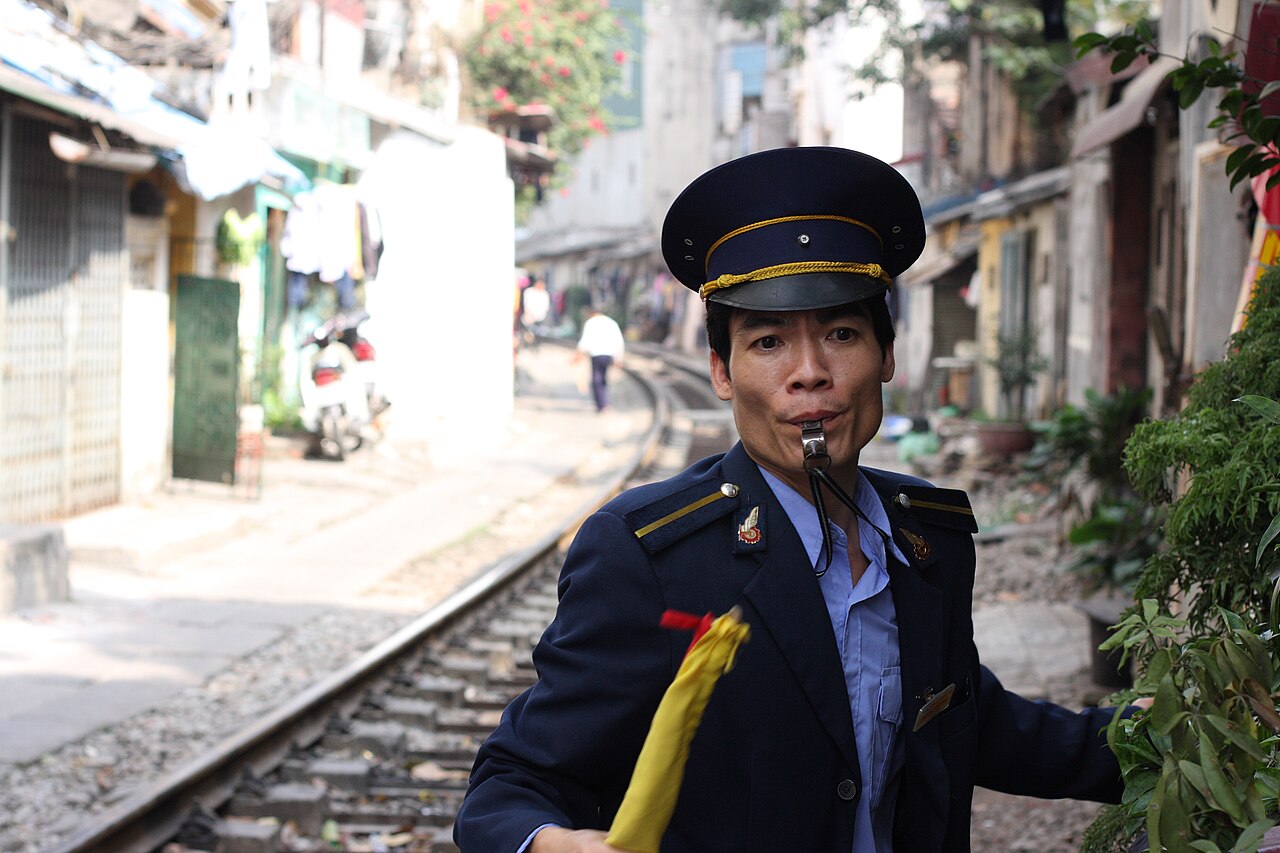
Cover image: a street food stall in Hanoi, Vietnam — photo by yeowatzup, CC BY 2.0, via Wikimedia Commons.
Can you drink tap water in Vietnam in 2026? No. Do not drink it from the tap in Hanoi, Ho Chi Minh City, Da Nang, Hoi An or Ha Long Bay, even in modern hotels. Vietnam’s municipal water is treated but the ageing pipe network, storage tanks and local plumbing can re-contaminate it before it reaches your glass. The risk is not dramatic, but it is real: acute diarrhoea, typhoid and hepatitis A transmission through water and ice remain listed travel health concerns for Vietnam by the US CDC and the UK FCDO. Bottled and properly filtered water is cheap and everywhere.
This is the consistent answer across official sources and traveller surveys. Hotels that do filter still advise guests not to drink from the bathroom tap, and restaurants that care say so on the menu. The practical concern for travellers is less the kitchen at a good hotel and more the roadside stall where ice, washed salads and raw herbs meet the same water source.
Why is tap water in Vietnam not safe to drink?
Vietnam’s larger cities meet national treatment standards at the plant, but monitoring reports and traveller health guidance both note that distribution pipes, rooftop tanks and building plumbing introduce bacteria and metals. Vietnam Briefing notes that heavy metal traces and bacterial counts can exceed WHO guidelines at the tap in major cities despite treatment upstream, and the CDC lists contaminated food and water as routes for typhoid and hepatitis A in Vietnam.
Hotels often add in-room filtration plus electric kettles, yet even there the bathroom tap bypasses the filter. Staff drink bottled water for a reason. If you are comparing regional water safety, our can you drink tap water in Thailand and can you drink tap water in Bali guides show the same pattern across Southeast Asia.
Is ice, salad and street food safe in Vietnam?
| Food or drink | Risk level | What to do in 2026 |
|---|---|---|
| Factory ice (cylinder with a hole) | Low at licensed restaurants and cafes | Generally fine in malls and branded cafes. The hole marks factory production. |
| Crushed bag ice from roadside stalls | Higher | Skip it. Made from unfiltered tap and handled by hand. |
| Washed salads and raw herbs | Moderate | Eat at busy places with high turnover. Peel fruit yourself. Wash herbs with bottled water if buying from markets. |
| Tea, coffee and soups | Low when served hot | Boiling water kills bacteria. Piping hot pho and coffee are fine. |
Street food is a highlight in Hanoi and Ho Chi Minh City, not something to avoid. Choose vendors with high turnover, watch that woks and broth pots are steaming, and prefer stalls that open fresh bottles in front of you. For transit and daily safety between food stops, our is Vietnam safe for Indian tourists and do you tip in Vietnam guides add practical context.
What should you drink instead in Vietnam?
Sealed bottled water is the default. Expect VND 8,000-15,000 (INR 27-51) for a 500 ml bottle from a convenience store like Circle K or VinMart, VND 15,000-25,000 in restaurants and VND 35,000-50,000 in 4-star hotels. Brand examples include La Vie, Aquafina and Vinh Hao. Check the seal clicks when you twist the cap.
- Use bottled water for drinking and for brushing if you have a sensitive stomach or are travelling with infants. Many travellers brush with tap without issue, but bottled is the zero-risk option.
- Order drinks without ice at roadside stalls. At modern cafes, factory ice is fine.
- Boil or use purification tablets if you trek in Ha Giang or central highlands. Bottled supply can be thin in remote homestays.
- Carry a refill filter bottle if you want less plastic. Filter bottles from reputable brands remove bacteria, but do not remove heavy metals. Combine with bottled on most days.
For families, bring oral rehydration salts as a backup and avoid letting children play with bathroom tap water. If you have a short stopover, see our Vietnam trip cost from India for how bottled water fits a modest daily budget, and Vietnam e-visa requirements for entry paperwork.
Frequently asked questions
Do hotels in Vietnam provide safe drinking water?
Yes. Good hotels provide 1-2 sealed bottles daily and a kettle for boiling. Do not assume bathroom taps are filtered. Refill at breakfast buffets that label filtered water.
Is it safe to brush teeth with tap water in Vietnam?
Most visitors do and face no problem, but sensitive travellers, infants and those on antibiotics should use bottled water. Spit and rinse with bottled after brushing if you prefer to be cautious.
What if I accidentally drank tap water?
Do not panic. Monitor for stomach upset over 24-48 hours, hydrate with bottled water and oral rehydration salts, and seek a clinic if you develop fever or persistent diarrhoea.
Is bottled water cheap and easy to find?
Yes. Convenience stores and supermarkets stock 500 ml bottles for VND 8,000-15,000 across Vietnam, and restaurants charge modest markups. Carry one bottle while sightseeing in heat.