

Tap water in Mexico is not safe to drink, even in Mexico City and resort zones. Here is why treated water still gets contaminated, what locals drink instead, and how travellers can stay healthy.
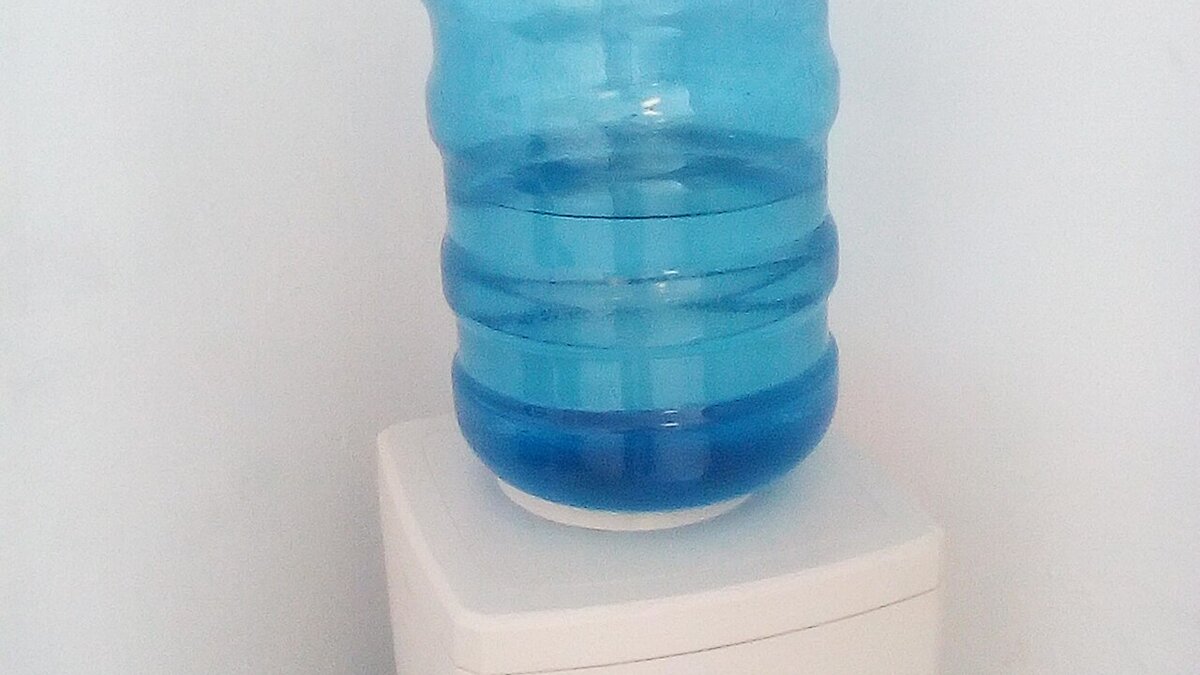
Cover image: Blue 20-litre garrafon of purified water on a home dispenser in Mexico — photo by HermanoMachucaMedia, CC BY-SA 4.0, via Wikimedia Commons.
No — you cannot safely drink tap water in Mexico, and that includes Mexico City and the big resort zones. Anyone asking "can you drink tap water in Mexico" should plan on purified or bottled water for the whole trip: for drinking, for ice anywhere informal and, in most places, for brushing teeth. This is not cautious advice aimed only at foreigners. The US Centers for Disease Control and Prevention (CDC) tells travellers to use commercially bottled or properly disinfected water in destinations where tap water may be unsafe, and Mexicans themselves overwhelmingly drink purified water at home. The main nuance: large all-inclusive resorts in Cancun and the Riviera Maya run their own filtration systems, which makes brushing teeth there low-risk — but even those resorts stock your room with bottled water for drinking, and that remains the standard advice.
Why is tap water in Mexico unsafe even where it is treated?
Mexico does have a national drinking-water standard — NOM-127-SSA1-2021, published in the Diario Oficial de la Federación — which sets the microbiological and chemical limits water must meet for human consumption. The problem is rarely the treatment plant alone; it is everything that happens afterwards. Water that leaves a plant in compliance can pick up contamination on the way to your glass: ageing, leaky distribution pipes allow ingress; intermittent supply lets pressure drop, drawing groundwater into the network; and most Mexican homes and hotels store water in rooftop tinacos or underground cisterns that are not always cleaned or sealed properly. Many municipalities also lack the funds to meet the 2021 standard's stricter limits in the first place. The practical result is that almost nobody in Mexico drinks straight from the tap — a sharp contrast with countries such as Italy, where tap water is genuinely safe to drink.
What do locals drink instead? The garrafón economy
Walk down any Mexican street in the morning and you will see trucks stacked with garrafones — 20-litre jugs of purified water delivered to homes or refilled cheaply at neighbourhood purificadoras. Research from the Universidad Autónoma Metropolitana, reported by Mexico News Daily, found that eight in ten Mexicans regularly drink bottled water, rising to nine in ten in Mexico City, where residents average roughly 390 litres a year — a habit the researchers attribute to deep distrust of the piped supply. A 2025 study in the journal Water Policy, drawing on Mexico's ENIGH household survey, found nearly half of all Mexican households bought bottled water in 2022, and Mexico is routinely ranked the world's top per-capita consumer of bottled water. If purified water is the rule in local kitchens, it should be the rule for visitors too.
Is the tap water safe at Cancun and Riviera Maya resorts?
Here the honest answer is nuanced. Large all-inclusives in Cancun, Playa del Carmen and Tulum typically run their own filtration and purification systems, and at reputable properties brushing your teeth with resort tap water is generally considered low-risk. But even resorts with good systems serve bottled or purified water at bars and in rooms, and the standing advice — from the CDC and from the hotels themselves — is to drink that instead. Purification systems can fail, storage tanks vary, and a stomach bug can write off half a holiday. If you are already tracking Mexican Caribbean conditions such as this season's record sargassum landings, add "stick to the bottled water" to the same pre-trip checklist.
What about ice, coffee, salads and street food?
Ice in established tourist restaurants, hotels and bars is almost always commercial hielo purificado — bagged ice made from purified water — and is generally safe; the cylindrical ice with a hole through the middle is the classic sign of factory ice. Ice at informal street stands is less certain, so skip it there. Coffee, tea and anything made with water at a rolling boil are safe, per CDC guidance. The bigger everyday risks are salads and fruit rinsed in tap water; favour cooked food served hot and fruit you peel yourself. Contaminated food and water in Mexico can carry the classic travellers'-diarrhoea pathogens, including bacteria such as E. coli and Salmonella and parasites such as Giardia.
Mexico water safety at a glance
| Situation | Safe? | Note |
|---|---|---|
| City tap water | No | Contamination risk in pipes, cisterns and tinacos, even where treated |
| Resort tap water (drinking) | Not advised | Filtration is common but bottled water remains the standard |
| Brushing teeth at a big resort | Generally fine | On-site purification makes this low-risk; use bottled if unsure |
| Ice in tourist restaurants | Usually yes | Almost always bagged hielo purificado from purified water |
| Drinks with ice at street stands | Caution | Ice and rinse water source unverifiable |
| Garrafon / sealed bottled water | Yes | What most Mexican households drink |
How to purify water yourself — and what to do if you get sick
If you want a backup to bottled water, choose a filter bottle rated as a purifier for bacteria and viruses — basic hiking filters often miss viruses. Boiling works everywhere: the CDC says a rolling boil for 1 minute kills the pathogens that matter, extended to 3 minutes above 6,500 ft (about 2,000 m) — which includes Mexico City, sitting at roughly 2,240 m. If you do get sick, most travellers' diarrhoea is self-limiting: prioritise oral rehydration, and seek medical care for high fever, blood in stool or signs of dehydration. Medical treatment abroad is exactly the sort of cost a proper travel insurance policy is designed to cover, so check your cover before departure.
Frequently asked questions
Can you brush your teeth with tap water in Mexico?
At large resorts with their own purification systems, brushing teeth with tap water is generally low-risk. Elsewhere — city hotels, rentals, small guesthouses — use bottled or purified water, which is the CDC's advice for destinations with unsafe tap water. Keep a bottle by the sink so you do not rinse on autopilot after a long day.
Is ice safe in Mexico?
In hotels, bars and established tourist restaurants, ice is almost always commercial hielo purificado made from purified water, and is generally safe — cylindrical cubes with a hole through the centre are the tell-tale sign of factory ice. Be more cautious at informal street stands, where you cannot verify the ice or the water used to make it.
Can you drink tap water in Cancun resorts?
Drinking it is still not recommended, even though most big Cancun and Riviera Maya all-inclusives filter and purify their supply. The resort systems make showering and toothbrushing low-risk, but hotels themselves provide bottled water for drinking, and health authorities advise sticking to sealed bottled or purified water throughout Mexico. There is no upside to testing the exception.
What happens if you accidentally drink tap water in Mexico?
Often nothing — a small accidental swallow frequently passes without illness. If you do react, symptoms of travellers' diarrhoea usually appear within a few days: cramps, loose stools, sometimes fever. Most cases resolve on their own with rest and oral rehydration solution. See a doctor for high fever, blood in stool, or dehydration, especially in children and older travellers.
Sources
- CDC Travelers' Health — Food and Drink Considerations When Traveling
- CDC Yellow Book — Water Disinfection for Travelers
- Diario Oficial de la Federación — NOM-127-SSA1-2021, Agua para uso y consumo humano
- Mexico News Daily — Mexico leads world in per-capita consumption of bottled water
- Water Policy (IWA Publishing) — The impact of bottled water on household expenditures in Mexico


Post a comment