Batam and Singapore pledged stronger ties on 3-4 September 2026, with Rp10.89 trillion in Singapore FDI into Batam in H1 2026 and Singapore as Batam's top foreign visitor source.
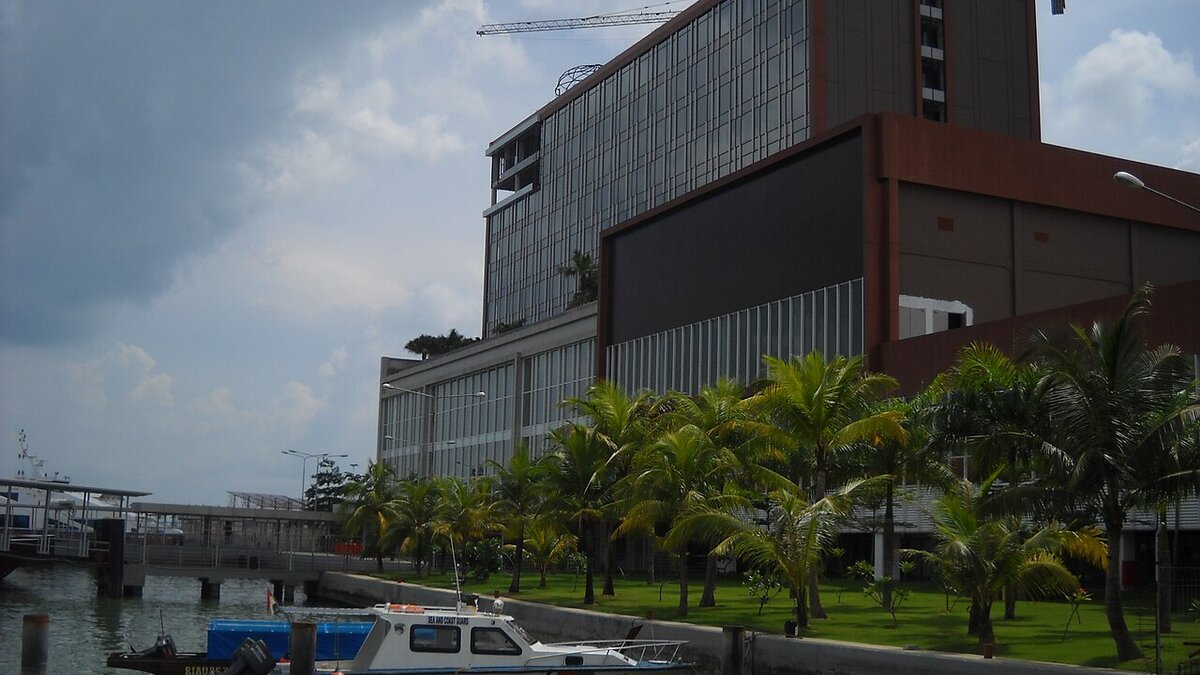
Cover image: ferries docked at Harbour Bay ferry terminal in Batam with Singapore skyline connection — photo by Cun Cun, CC BY-SA 4.0, via Wikimedia Commons.
Batam and Singapore will push for stronger economic and tourism ties after a meeting in Batam on the evening of 3 September 2026, with officials on both sides pointing to Singapore's outsized role in Batam's investment and visitor numbers. The reception brought together Batam Mayor Amsakar Achmad and Deputy Mayor Li Claudia Chandra with Singapore's junior minister for foreign and home affairs Zhulkarnain Abdul Rahim, with a statement released on 4 September.
The talks matter for travellers because the Batam-Singapore corridor is one of Southeast Asia's busiest short-hop crossings. Singapore supplied about Rp10.89 trillion (around US$617.1 million) of capital into Batam in the first half of 2026, about 36.44% of all foreign investment into the city, and Singapore visitors were the biggest share of foreign arrivals to Batam in that period, according to Batam statistics cited by ANTARA on 4 September.
What was agreed between Batam and Singapore?
The meeting was framed as deepening ties to create fresh economic prospects, with proximity described as the key asset. Batam's mayor said: "We must continue to maintain and improve the good relations that have existed so closely." Singapore minister Zhulkarnain added: "This geographical proximity is a great asset to continue to open up various new cooperation opportunities."
Focus sectors listed were capital placement, visitor economy, commerce and workforce capability, with newer emphasis on server farms and AI development. Two partnership examples cited were marine-engineering firm Seatrium and the Batam tourism polytechnic, which already link the two economies on industry and training. Officials said the hope is that "the two countries will always progress, prosper, and continue to grow together in a spirit of solid partnership."
Why does Batam matter for Singapore travellers and investors?
Batam sits within the Riau Islands, just across the strait from Singapore, with frequent ferries from Harbour Bay, Batam Centre and Sekupang to HarbourFront and Tanah Merah. For Singapore, Batam is a near-shore manufacturing and services base, a weekend getaway and a logistics hub. For Batam, Singapore is the largest source of overseas capital and visitors, which is why H1 2026 numbers were highlighted.
The scale is notable. In H1 2026 Singapore capital into Batam was about Rp10.89 trillion, about 36.44% of all foreign capital into the city. Riau Islands growth was cited at 6.94% versus a national rate of 5.11%, with Batam itself at 6.76% annual, suggesting the corridor is outperforming the country. That context helps explain why both sides are talking about more visitor-economy cooperation, not just factories.
Tourism links are already strong. Batam's resorts, golf and seafood draws pull Singapore weekenders, while Batam residents use Singapore's Changi hub for long-haul connections, including TransNusa's move to Changi Terminal 4 and Singapore Airlines' Bali winter flights with 737 MAX. Stronger ties could mean more joint tourism packaging and events that put Batam on ASEAN hotel and OTA distribution alongside Singapore.
Will ferries or visitor rules change?
No change to ferry operations or entry rules was announced in the 4 September statement. Harbour Bay and Batam Centre ferries to central Singapore, and Tanah Merah links for eastern connections, continue on published schedules. Singapore visitors to Batam still form the largest foreign arrival segment, so the emphasis was on growth, not restriction.
For travellers planning a hop, the practical picture is unchanged: day trips and weekend stays use the same terminals, with frequent departures and roughly an hour on the water. Any new cooperation on visitor economy is likely to show up as joint promotions, workforce training and data-centre investment that supports tourism tech, rather than immediate border tweaks.
What is next for the Batam Singapore corridor?
Both sides described the relationship as close and long-running, with proximity as the durable advantage. For the rest of 2026, watch for follow-ups on investment facilitation, tourism-polytechnic exchanges and AI and data-centre projects that were flagged as the new frontier. If those land, the corridor's growth gap over the national average could widen, supporting more ferry frequencies and resort development on Batam.
For now, the signal to the market is continuity plus ambition. Batam wants to keep Singapore capital flowing and visitor numbers up, Singapore wants a stable near-shore partner with industrial and leisure scale. The September reception formalised that intent without changing the traveller experience on the day.
Frequently asked questions
What did Batam and Singapore agree on 3 September?
At a reception in Batam on the evening of 3 September, Mayor Amsakar Achmad and Deputy Mayor Li Claudia Chandra met Singapore junior minister Zhulkarnain Abdul Rahim to deepen cooperation on investment, the visitor economy, commerce, workforce capability, plus data centres and AI.
How important is Singapore to Batam's economy?
In H1 2026 Singapore investment into Batam was about Rp10.89 trillion (around US$617.1 million), about 36.44% of all foreign capital into the city. Singapore visitors were also the largest share of foreign arrivals to Batam in H1 2026.
Will the Batam Singapore ferry be affected?
No change to ferry services was announced. Singapore remains Batam's top source of visitors, and the talks emphasised visitor-economy growth. Ferries between Harbour Bay, Batam Centre, Sekupang and Singapore's HarbourFront and Tanah Merah continue as normal.
What growth rates were cited?
Singapore minister Zhulkarnain cited Riau Islands growth at 6.94% versus national 5.11%, and Batam at 6.76% annual, framing the talks as building on above-national momentum.