Agoda's 2026 ranking puts Bangkok second in Asia for repeat visits behind Tokyo, with Bali third; Thailand's domestic top five is unchanged for a second year.
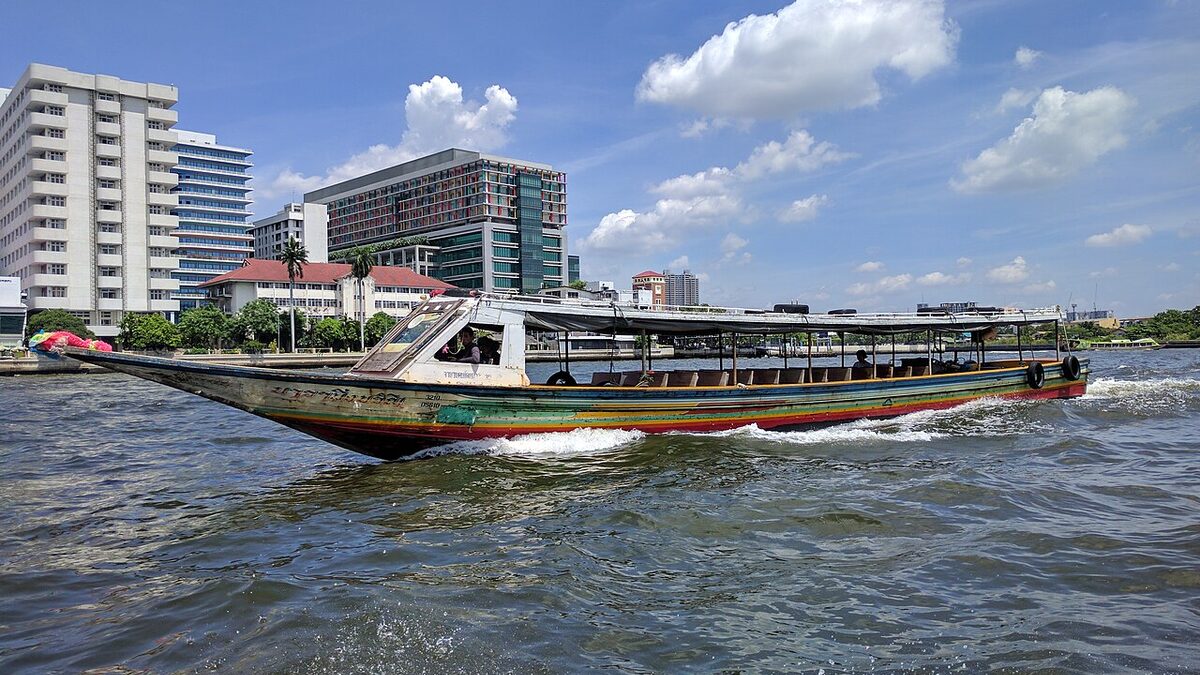
Cover image: Colourful express boat on the Chao Phraya river in Bangkok — photo by Grendelkhan, CC BY-SA 3.0, via Wikimedia Commons.
Bangkok has been ranked Asia's second city for repeat visits in Agoda's 2026 Repeat Visitor Ranking, holding a top-three spot for the second year running behind Tokyo. The ranking, built from accommodation bookings made in the first half of 2026 and released on September 8, suggests the Thai capital's appeal is shifting from bucket-list stop to habit: some guests booked the same destination multiple times within the six-month window.
The result lands at a useful moment for Thai tourism. International arrivals are running slightly below last year's pace, yet Bangkok keeps collecting loyalty signals from the region's largest booking platform. Repeat travel, Agoda argues, is becoming less about ticking destinations off a list and more about finding places worth returning to.
Which Asian cities get the most repeat visitors?
Tokyo takes first place, with Bangkok second and Bali climbing into the top three for the first time. Seoul and Osaka follow, then Da Nang, up two places on beaches, nearby Hoi An and value for money. Kuala Lumpur, Fukuoka (a debut entry, famed for tonkotsu ramen and Kyushu access), Taipei and Johor Bahru complete the top ten.
The list skews heavily toward places Indian travellers already favour, which is exactly why it matters here. Tokyo, Bali, Kuala Lumpur and Bangkok all sit on dense, competitive air corridors from Delhi and Mumbai, so a repeat-visit ranking doubles as a shortlist of destinations where a second trip is easy to justify. Da Nang's rise is the one to watch: it pairs UNESCO-listed Hoi An with prices well below Thailand's headline beach resorts.
| Rank | City | Note |
|---|---|---|
| 1 | Tokyo | Asia's most returned-to city in H1 2026 |
| 2 | Bangkok | Top three, second year running |
| 3 | Bali | First appearance in the top three |
| 4-5 | Seoul, Osaka | Steady repeat magnets |
| 6 | Da Nang | Up two places on value and Hoi An access |
| 7-10 | Kuala Lumpur, Fukuoka, Taipei, Johor Bahru | Fukuoka a debut entry |
Where do Thais themselves go back to?
Agoda's domestic ranking is strikingly stable: the Thai top five for repeat visits is unchanged for the second year. Bangkok leads as a hub for wellness-focused regional trips, followed by Phuket for extended stays and remote work, Pattaya for family travel, Chiang Mai for slow travel and digital nomads, and Hat Yai for short breaks, especially for visitors crossing from Malaysia and Singapore.
Each segment tells operators something concrete. Phuket's workation tag explains its long average stays; Chiang Mai's nomad tag explains its cafe and condo economy; Hat Yai's cross-border weekend role explains why Malaysian arrival figures move its hotel occupancy. For Indian visitors planning a second Thailand trip, the domestic list is arguably more useful than the Asia one: it points past Bangkok to the specialist cities, several covered in our roundup of what's new in Bangkok and the rise of Thailand's second cities.
Why does repeat travel matter for tourism?
Repeat visitors spend differently. They skip the orientation costs of a first trip, stay in neighbourhoods rather than hotel districts, and return in shoulder seasons when they already know the weather. For a destination like Thailand, where headline arrivals dipped 3 percent in the latest count, a loyal base that books twice a year cushions the volatility of first-timer flows.
Agoda's country director for Thailand and Indochina, Akaporn Rodkong, frames it as a change in traveller psychology: a repeat visit does not mean repeating the same trip, since travellers return to a familiar city for a favourite restaurant or neighbourhood while discovering something new each time. That is also the industry's quiet argument for infrastructure over campaigns: nobody rebooks a city with a bad second trip.
Frequently asked questions
What is Agoda's repeat visitor ranking?
It ranks the Asian destinations with the most returning guests based on accommodation bookings in January to June 2026. A repeat visit means the same traveller booked the destination again within the period, sometimes more than once.
Which city ranks first for repeat visits in Asia?
Tokyo ranks first in the 2026 edition, ahead of Bangkok in second and Bali in third. Seoul, Osaka and Da Nang complete the top six.
Why do travellers keep returning to Bangkok?
Agoda points to its role as a regional hub for food, shopping, wellness and short breaks, plus dense flight connectivity. Domestic data adds the repeat-trip specialists: Phuket for long stays, Chiang Mai for slow travel and Hat Yai for weekend breaks.
Is Bangkok worth a second trip from India?
The data says yes, and the economics agree: competitive fares, a 30-day visa exemption window for Indians, and enough depth beyond the first-timer circuit, from Thonburi canals to the new attractions opening across the city.