Jakarta's Soekarno-Hatta airport began a staggered reopening on Monday as the Anak Krakatau eruption eased, with four airports extended to 6pm and a cumulative toll of 1,558 flights and 270,000 stranded travellers.
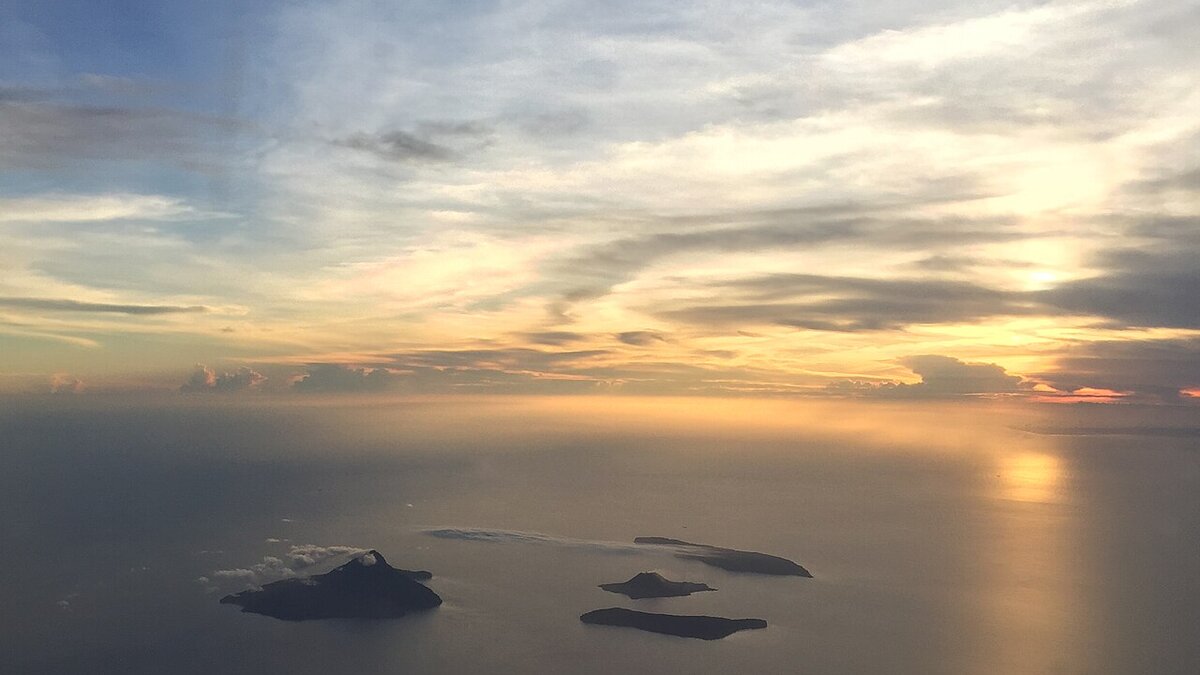
Cover image: Anak Krakatau volcano silhouetted at sunset over the Sunda Strait — photo by Raviansyah Jawindra, CC BY-SA 4.0, via Wikimedia Commons.
Jakarta's Soekarno-Hatta airport began a staggered return to service on Monday, September 7, as the most intense phase of the Anak Krakatau eruption passed. Four of the eight airports shut over the weekend had their closures extended to 6pm local time on Monday, while a small airfield in South Sumatra reopened at 9am, operator Angkasa Pura said. The cumulative toll since Friday night stands at 1,558 delayed, cancelled or diverted flights and more than 270,000 stranded passengers, Indonesia's Transport Ministry said, making this the worst volcanic aviation disruption in Southeast Asia in years.
This is a fast-moving situation and readers with imminent travel should check with their airline before leaving for the airport. The developments below are new since our Sunday report on the eight airport closures, which has the background on how the ash cloud first spread.
Which Indonesian airports closed and when do they reopen?
Eight airports stopped operations over the weekend after ash entered their airspace, including Soekarno-Hatta outside Jakarta, the region's second-busiest hub. Four had shutdowns pushed from Monday morning to 6pm local time (1100 GMT) for fresh safety assessments, while one small field in South Sumatra restarted at 9am Monday. Semarang and Surabaya airports were readied as alternate landing sites for diverted widebodies.
Jakarta's main gateway had already lived through a stop-start weekend. It halted operations from 5.30am on Sunday, September 6, and a planned 9.30am reopening was pushed to 1.30pm local time as ash kept drifting over the field, according to The Star's reporting. On Monday morning alone more than 240 domestic and international flights at Soekarno-Hatta were disrupted, affecting almost 30,000 travellers.
How many flights and passengers are affected?
The Transport Ministry puts the cumulative impact since September 5 at 1,558 flights disrupted, with over 900 of those at Soekarno-Hatta alone, and more than 270,000 passengers stranded in total. For scale, Sunday morning's cancellations at Jakarta alone topped 200 flights, and Monday's extensions mean the count is still climbing.
The eruption itself started with lava fountains on Friday night, producing booms audible up to 700km away. Two fresh eruptive events were logged on Sunday. Ash reached 6,000 metres on the Java side and 15,000 metres on the Sumatra side and over Banten province, the BMKG weather agency said. Officials judged the probability of further eruption remained high until Monday morning, which is why reopening is proceeding airport by airport rather than all at once.
SIA and Scoot cancellations: the Singapore fallout
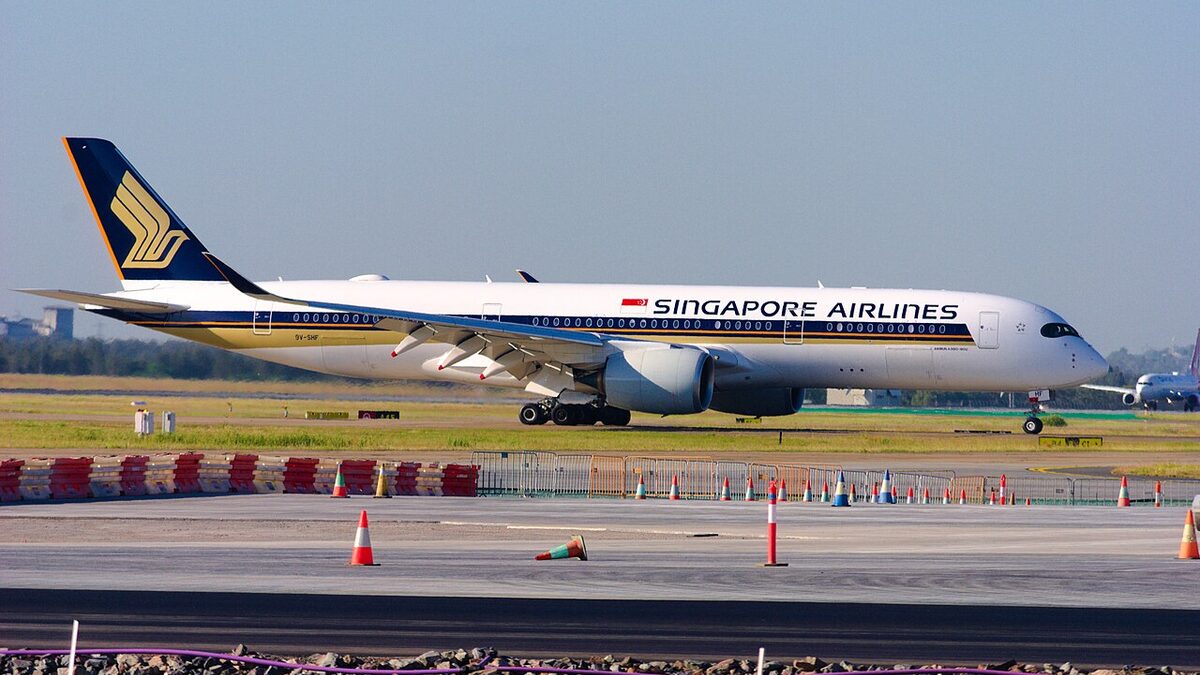
Singapore Airlines cancelled 19 Singapore-Jakarta return services on September 6, including two previously retimed flights, plus two more on September 5. The cancelled departures span the full day, from SQ950 at 6.20am to SQ968D at 9.55pm. Scoot axed 12 September 6 services, from TR274 at 7.50am to TR273 at 10.15pm. Batik Air, TransNusa, Citilink and Garuda Indonesia also cancelled early flights while keeping later departures listed.
SIA called the situation fluid and warned other Indonesia flights may be affected, pointing passengers to its flight-status page. Changi Airport advised travellers on September 6 to check with airlines before heading to the terminal. Anyone connecting through Singapore to Jakarta or Bali this week should build in a buffer day. The disruption lands in the same week that Java's Mount Semeru also shut hiking trails, a reminder that Indonesian volcanoes are disrupting trips on two fronts at once.
Is it safe to fly to Jakarta and Bali now?
Airspace decisions are being made airport by airport based on ash observations, not on a single all-clear. Indonesia's disaster agency BNPB says there is no immediate tsunami danger and has planned cloud-seeding to wash ash out of the sky, with heavy rain the best cleanser. Ships in the Sunda Strait must stay outside a 3km exclusion circle around the volcano.
Jakarta schools shifted classes online with no end date given, a sign authorities expect ash in the air for days. Travellers should monitor airline apps, keep medication and essentials in hand baggage in case of an overnight diversion to Semarang or Surabaya, and know their rebooking rights before accepting a refund that forfeits onward connections.
Frequently asked questions
Is Jakarta airport open after the Anak Krakatau eruption?
Partly. Soekarno-Hatta resumed limited operations after the weekend halt, but four airports had closures extended to 6pm on Monday, September 7, and schedules remain unstable. Check your flight's live status with the airline before travelling to the airport, and expect residual delays even after a formal reopening.
Are Singapore to Jakarta flights cancelled?
Many were. Singapore Airlines cancelled 19 Singapore-Jakarta services on September 6 and Scoot cancelled 12, with further disruption flagged as fluid. If your flight was cancelled you are generally entitled to rebooking or a refund; contact the airline rather than going to the airport, and keep receipts for expenses caused by overnight delays.
Is Bali affected by the Krakatau ash cloud?
The eight closed airports are concentrated around Java and Sumatra near the Sunda Strait, not Bali, but network effects ripple across Garuda, Citilink and low-cost schedules nationwide. Bali-bound travellers connecting through Jakarta face the highest risk; direct international services to Denpasar are operating more normally.