Tony Fernandes says AirAsia is sustainable with RM1bn-plus cash and needs no bailout, as a RM830.5m Q2 loss, $183 fuel and 20-25% capacity cuts put the carrier under the spotlight.
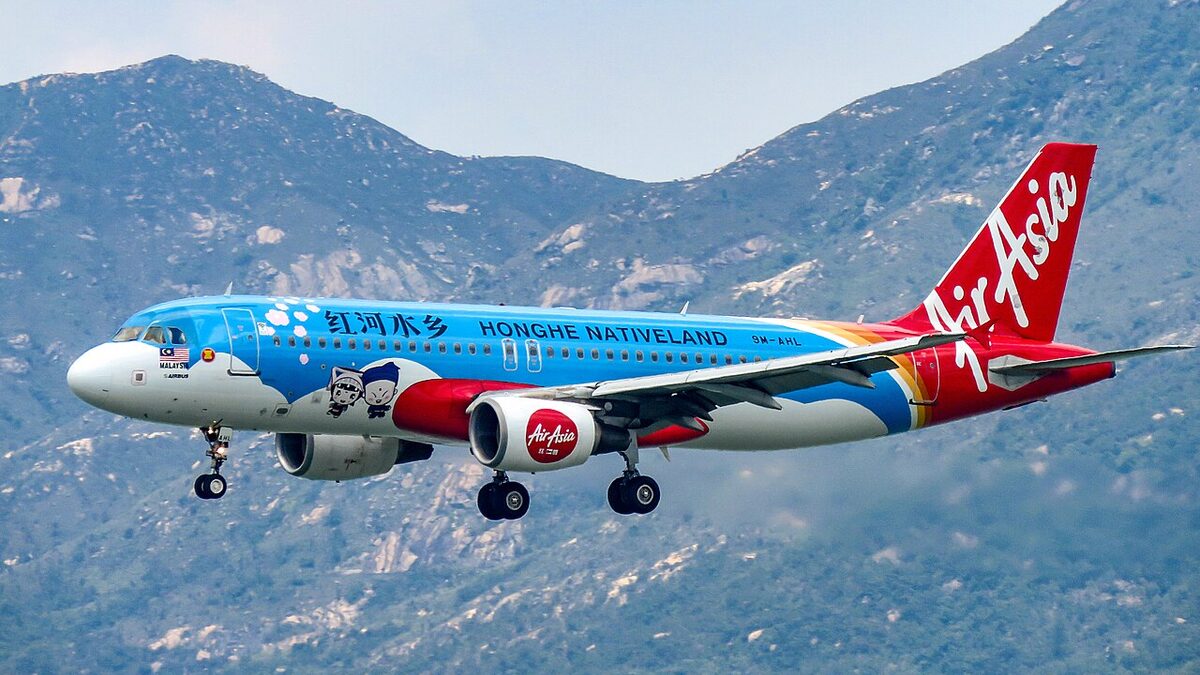
Cover image: an AirAsia Airbus A320 in a special blue livery coming in to land — photo by N509FZ, CC BY-SA 4.0, via Wikimedia Commons.
AirAsia co-founder Tony Fernandes has rejected talk of a state rescue, telling a briefing on 18 September that the airline is sustainable, holds more than RM1 billion in cash and has not requested a government bailout. He insisted passenger demand remains strong and described the carrier's current pressures as far less severe than the Covid-19 crisis, because people are still travelling. The defence follows a bruising quarter and a Reuters report that Malaysian authorities had sounded out rival airlines about absorbing AirAsia routes in a contingency scenario.
The numbers behind the scrutiny are stark. AirAsia Group's unaudited second-quarter results to 30 June showed revenue of RM5.1 billion and a loss of RM830.5 million including non-controlling interests, of which RM331 million was a foreign-exchange charge. Stripping that out, the quarterly loss was RM499.6 million. Average jet fuel hit US$183 a barrel in the quarter. Fernandes called Q2 the toughest period and said fares were being adjusted to compensate.
How is AirAsia handling US$183 fuel?
Fuel is the core wound. FTNNews reports the group's fuel expense rose 58 percent year on year, while The Vibes puts the quarter-on-quarter increase at 66 percent to an average US$183 a barrel after the US-Israeli escalation against Iran tightened supply. Either way, the response has been two-pronged: push fares up and cut capacity. Average fares rose more than 20 percent year on year in May and June, and the group estimates fare increases plus lower non-fuel unit costs recovered about 70 percent of the additional fuel burden.
That still leaves 30 percent uncovered, which explains the capacity lever. AirAsia plans to cut third-quarter seat capacity by 20 to 25 percent compared with 2025 before restoring it for the year-end peak, while suspending underperforming long-haul services, delaying its proposed Bahrain hub and trimming aircraft allocations in the Philippines and Indonesia. The emphasis shifts to higher-yield domestic and core Southeast Asian routes. It is the classic low-cost playbook under fuel stress: shrink to routes where load factors pay, a discipline the carrier has applied before, including on suspended long-haul sectors such as Sydney-Kuala Lumpur. The group reported an 80 percent load factor for the second quarter, and Fernandes pointed to strong fourth-quarter bookings.
Does AirAsia need a government bailout?
Fernandes says no. "We're okay, we're sustainable," he said. "We are good at managing cash and we are strong in liquidity." But the balance sheet invites questions: at 30 June the group reported RM18.4 billion in current liabilities against RM954 million in cash and bank balances, below the RM1 billion-plus cash figure Fernandes cited at the briefing, which was a management statement rather than a new filing. The group is also pursuing up to US$1 billion from international debt markets plus RM700 million in local facilities, mainly to restructure debt.
Markets remain unconvinced. Shares fell 21 percent on 17 September after the Reuters contingency-planning report and slid a further 2 percent the next day after dropping 5 percent intraday, leaving the stock down more than 70 percent this year. Fernandes dismissed the idea rivals could step in: "No one can replace AirAsia's 100 planes in the country overnight," he said, pointing to roughly 60 percent of the domestic market. Ten grounded aircraft are due back in service by October, and 25 older aircraft go back to lessors during 2026 to cut leasing costs.
What happens next for AirAsia and Malaysian aviation?
Three things to watch. First, the year-end peak: Fernandes is betting restored capacity plus strong forward bookings and optimism in Indonesia, the Philippines and Thailand carry the group through. Second, the debt restructuring: raising up to US$1 billion while the share price languishes will test creditor confidence in the cash-flow story. Third, official patience: the contingency discussions reported by CNA, citing unnamed sources, show regulators are gaming out failure even as Fernandes insists none is coming. Contingency planning is not intervention, but its existence raises the stakes of the next quarterly print.
For the trade, the operational takeaway is narrower capacity and higher fares on AirAsia through Q3, with relief promised for the festive peak. Travellers and agents should also note the network tilt: partnership-driven growth such as the Thailand push continues, but marginal long-haul flying is being sacrificed first. Fuel remains the swing factor, and how jet-fuel costs feed into fares will decide whether the 70 percent recovery rate holds if crude climbs further.
Frequently asked questions
Has AirAsia asked for a government bailout?
No. Tony Fernandes said on 18 September the group is sustainable, holds more than RM1 billion in cash and has not requested state aid. The statement answered a Reuters report that officials had asked Malaysia Airlines and Batik Air about absorbing AirAsia routes as contingency planning.
How big was AirAsia's second-quarter loss?
The unaudited Q2 results to 30 June showed revenue of RM5.1 billion and a loss of RM830.5 million, including a RM331 million foreign-exchange charge. Excluding forex, the loss was RM499.6 million. Management called it the toughest quarter and said average fares rose over 20 percent in May and June to offset fuel.
Why did AirAsia cut capacity?
With jet fuel averaging US$183 a barrel, the group is cutting Q3 seat capacity by 20 to 25 percent versus 2025, suspending weak long-haul routes and delaying its Bahrain hub, to protect yields before restoring capacity for the year-end peak.
Could Malaysia Airlines or Batik Air replace AirAsia?
Reports citing unnamed sources say officials asked both carriers about absorbing AirAsia's domestic share as contingency planning. Fernandes argues no rival can replace 100 aircraft and 60 percent of the domestic market overnight. Ten grounded aircraft are due back in service by October to reinforce that scale.