Air India's Phuket-Delhi A320 lost all three hydraulic systems at 36,000 feet on 4 August, triggering autopilot loss and altitude upset; AAIB found pilot tested non-negative for psychoactive substance and recommended DGCA action.
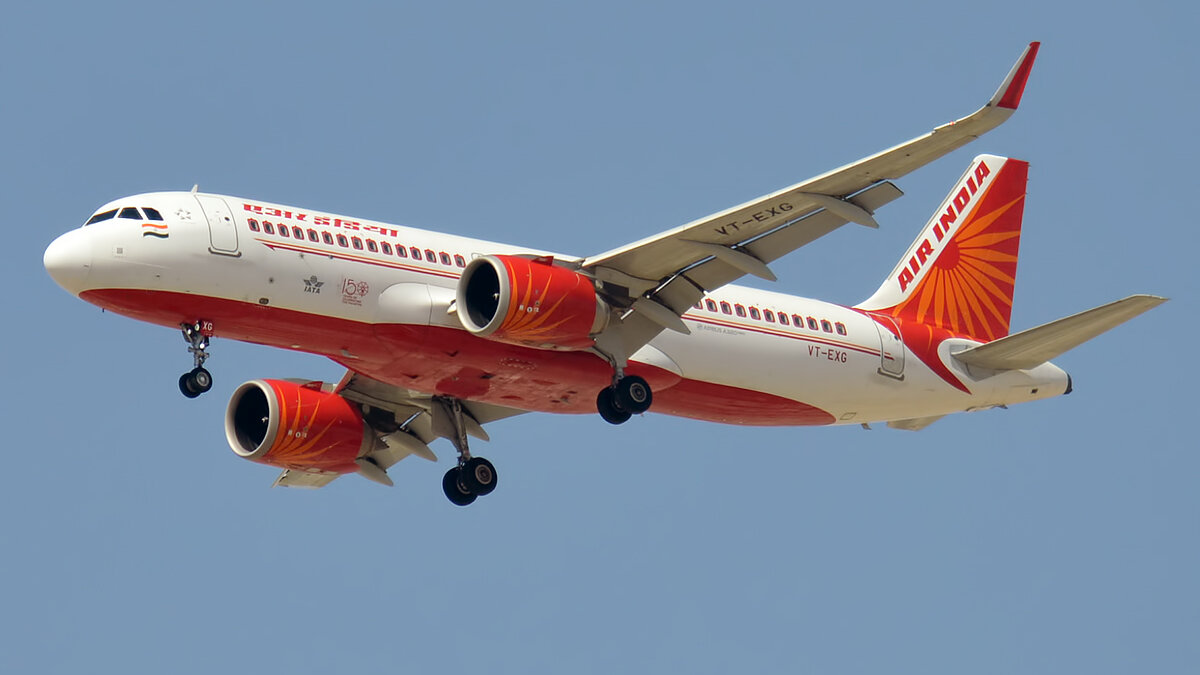
Cover image: Air India Airbus A320neo on approach after hydraulic failure incident — photo by Anna Zvereva from Tallinn, Estonia, CC BY-SA 2.0, via Wikimedia Commons.
An Air India Airbus A320 operating Phuket to Delhi on 4 August 2026 lost pressure in all three hydraulic systems — green, blue and yellow — within seconds while cruising at 36,000 feet, triggering an autopilot disengagement, stall warning and a sudden altitude upset, according to the Aircraft Accident Investigation Bureau's preliminary report released on 4 September 2026. The same report flagged that the pilot-in-command tested non-negative for psychoactive substance use after the flight, prompting the AAIB to recommend priority action by the Directorate General of Civil Aviation and Air India's dismissal of the pilot.
The incident is now one of India's most closely watched 2026 aviation safety cases because it combines a rare triple hydraulic failure on a modern A320 with a post-flight drug-test finding. For travellers, it raises immediate questions about what happened at altitude, how the crew recovered the aircraft, and what regulators will require next.
What happened at 36,000 feet on the Phuket-Delhi flight?
The AAIB said the aircraft was in cruise near 36,000 feet when the three independent hydraulic systems lost pressure almost simultaneously. On the A320, those circuits power flight controls, landing gear, brakes and nose-wheel steering — losing all three is exceptionally rare and degrades handling sharply. The failure sequence triggered an autopilot disconnect and stall warning followed by an altitude upset as the crew worked to stabilise the jet. Air India sacked the pilot-in-command on 4 September after the AAIB finding, with Indian media reporting the test was described as non-negative for psychoactive substance use.
Both pilots had passed a routine breath-analyser test after landing, which was reported as satisfactory, before the separate psychoactive substance detection test returned the non-negative result. The AAIB wording — “The confirmation of use of psycho-active substance is a serious concern, and AAIB recommends appropriate actions by DGCA on priority” , was quoted by The Times of India and The Economic Times on 4 September. The regulator has been asked to “take appropriate actions as deemed fit to prevent abuse of psycho-active substance.”
How severe was the hydraulic failure?
The green, blue and yellow systems are normally fully independent, each with its own pump and reservoir. Losing one is a manageable abnormal; losing two forces alternate procedures and gravity-gear extension. Losing all three leaves only limited manual backup and degraded braking, so the crew's ability to maintain control and land is a critical focus of the investigation. Indian reports said the aircraft experienced an altitude upset after the failures, consistent with brief loss of controlled flight before recovery. At least 24 people were reported injured in the disturbance, according to The Economic Times, though the airline and DGCA have not released a full injury breakdown.
Investigators will now trace whether the failures shared a common cause , such as fluid loss, contamination, electrical or engine-driven pump faults , rather than three isolated leaks. That analysis will compare flight-data recorder traces, hydraulic quantity and pressure logs, and maintenance history for the A320, which was operating a routine Phuket-Delhi sector similar to other recent India turnbacks that have heightened DGCA scrutiny in 2026.
What did the AAIB recommend and what happens next?
The preliminary report issued an interim safety recommendation that the DGCA act on the psychoactive-substance finding on priority. Under Indian civil aviation rules, a non-negative result triggers confirmatory testing, medical review and potential licence action, separate from the technical investigation into the hydraulics. Air India said it had terminated the pilot and was cooperating with the regulator. The DGCA is expected to review the airline's pre-flight and post-incident testing chain, including why the breath analyser passed while the later substance test flagged.
On the technical side, the AAIB will issue deeper recommendations once the hydraulic fluid samples, component teardown and systems logic are complete. Possible outcomes include fleet-wide inspections, servicing-bulletin compliance checks or Airbus guidance, similar to how other recent diversions have led to targeted checks across Indian carriers.
What does this mean for Air India flyers right now?
Air India has not grounded its A320 fleet and continues to operate Phuket-Delhi and other regional sectors, saying safety checks are ongoing. The DGCA has not announced airworthiness directives, but passengers can expect heightened ramp checks and possible short-term schedule adjustments if inspections are ordered. The case also intensifies focus on airline substance-monitoring programmes, which follow a series of Air India network and operational changes in 2026 as the carrier scales hubs and transit products.
Travellers booked on Phuket-Delhi should keep their PNR active, monitor airline SMS/email for aircraft swaps, and allow a little extra time at Delhi for any additional screening. If you experienced the 4 August flight and need support, contact Air India customer care and retain medical documentation for any injury claim.
Frequently asked questions
Which Air India flight had the hydraulic failure?
The Aircraft Accident Investigation Bureau identified it as the 4 August 2026 Phuket to Delhi A320 service, cruising at 36,000 feet when all three hydraulic systems , green, blue and yellow , lost pressure within seconds, causing autopilot disconnect and a stall warning.
How many hydraulic systems does an A320 have?
Three independent systems. Each powers different flight-control, gear and brake circuits so that one failure is normally manageable. Losing all three at once is extremely rare and leaves only backup manual modes, which is why the AAIB is treating the common-cause question as central.
Did anyone get hurt?
Yes. The Economic Times reported 24 people were injured in the altitude upset and cabin disturbance that followed the failures. The report did not detail severity, and the airline has not published a separate medical update.
What did the drug test find?
Both pilots passed the post-flight breath analyser, but the pilot-in-command later tested non-negative for psychoactive substance use. The AAIB called it a serious concern and recommended the DGCA take appropriate priority action. Air India terminated the pilot on 4 September.
Is it safe to fly Air India now?
Regulators have not restricted the fleet. The aircraft type remains in service worldwide with a strong safety record. The DGCA and AAIB will determine whether any immediate fleet action is needed once the hydraulic root cause is confirmed. Follow official DGCA and Air India advisories for any new directives.
Sources
- The Times of India , Air India Phuket-Delhi incident: All 3 hydraulic systems failed; pilot tested positive for psychoactive substance
- The Economic Times , Air India Phuket-Delhi flight incident: Pilot tested non-negative for psychoactive substance after hydraulic failure injured 24
- The Hindu , AAIB flags Air India pilot's positive psychoactive substance test after Phuket flight altitude scare