Western Sydney International will open 25 October 2026 and is courting Air India, but NSW Premier Chris Minns left New Delhi without a formal commitment as fuel costs weigh.
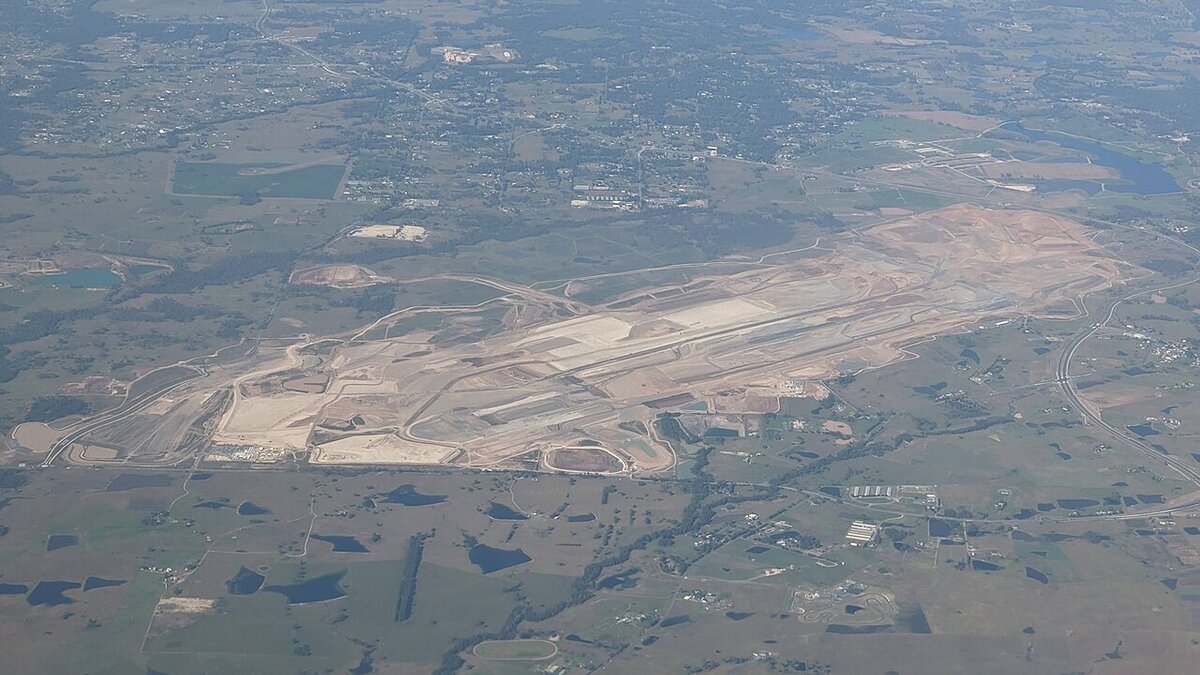
Cover image: Western Sydney International Airport construction site before opening — photo by MDRX, CC BY-SA 4.0, via Wikimedia Commons.
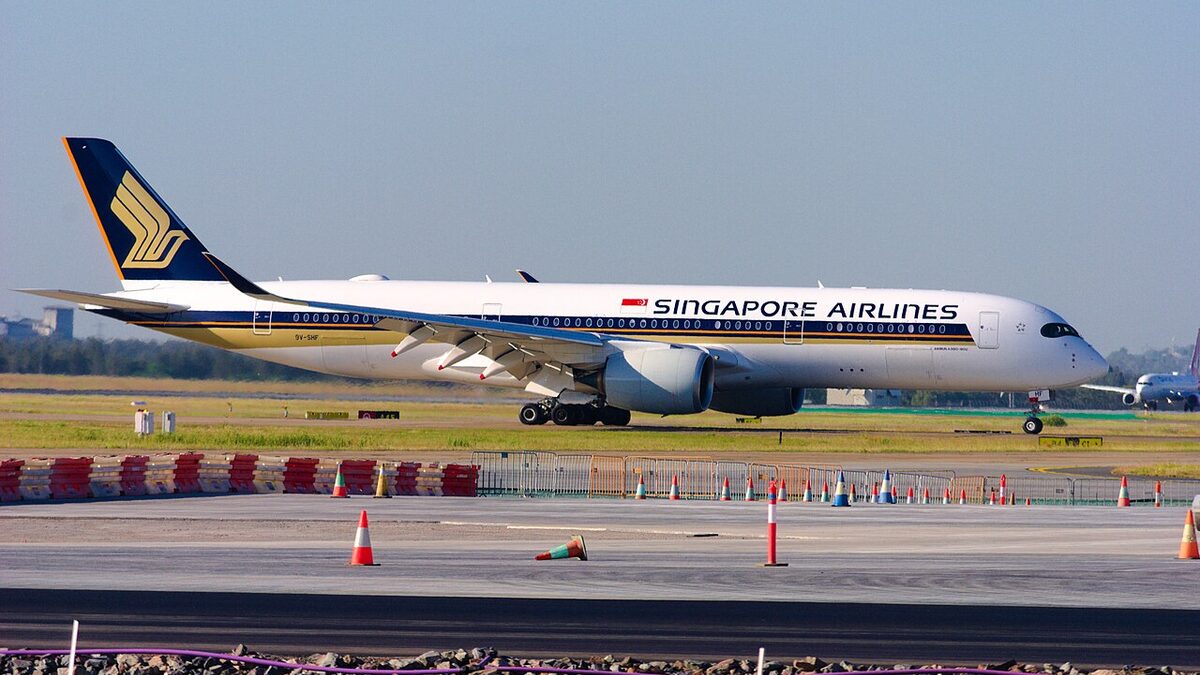
Western Sydney International Airport will open to passengers on 25 October 2026 and is courting Air India as an early international operator, but New South Wales left New Delhi without a formal commitment. Premier Chris Minns met Air India officials during a four-day trade mission to India and said the state remains committed to securing an Indian carrier for the new gateway, with an air attraction fund available to support a launch. Jetstar will operate the first commercial passenger flight at opening, ahead of a staged international ramp that includes Singapore Airlines in November, VietJet in January 2027 and Qantas in March 2027.
The pitch leans on diaspora and demand. More than 181,000 visitors from India travelled to New South Wales in the reference year cited by Destination NSW, and Western Sydney holds one of Australia’s largest Indian-origin communities — a base that provides steady, non-seasonal traffic beyond holiday peaks. It also slots into a crowded India-Australia market where IndiGo is adding Mumbai-Hanoi daily from 25 October and 57 Indian airports are being upgraded with expanded facilities as outbound demand rises. Air India, meanwhile, is reviewing its fleet and network while fuel prices squeeze long-haul margins. For now, WSI opens with the carriers already signed, and India waits on the sidelines.
When does Western Sydney open and who is already coming?
AviationA2Z reported on 3 September 2026 that WSI’s passenger opening is fixed for 25 October 2026, with Jetstar as the first airline to operate a commercial service. The airport, built at Badgerys Creek, is Sydney’s first new major gateway in decades and is designed as a 24-hour, unconstrained alternative to Mascot. The published starter international list is narrow: Jetstar and Air New Zealand from October, Singapore Airlines from November, VietJet from January 2027 and Qantas from March 2027. No other long-haul carriers are confirmed beyond that window.
That leaves the India question as the biggest gap in the initial network. Air India currently serves Sydney’s existing airport from Delhi, with seasonally adjusted frequencies to Melbourne as well. A move or split to WSI would require ground handling, lounge and engineering commitments at a new site, plus slot planning while the airport proves its first months of operations. NSW officials described the Air India talks as part of a broader trade mission that included infrastructure and education, not just aviation.
Operationally, WSI offers advantages for a long-haul carrier: no curfew, modern stands for wide-bodies and proximity to Western Sydney’s population centre, which cuts surface time for the very community most likely to fill India flights. The trade-off is the lack of established international transit flows on day one, which makes early partner airlines critical for feed.
Why New South Wales wants Air India
The Premier’s office tied the ask to demographics. Western Sydney’s Indian-origin population, concentrated in suburbs from Parramatta to Harris Park and Blacktown, provides a dependable base that travels to Delhi, Punjab, Gujarat and South India year-round for family and business, not just holidays. That pattern supports consistent loads outside the December-January peak, which appeals to planners seeking non-seasonal routes.
Destination NSW data put Indian visitation to the state above 181,000 in the reference year, a figure that has recovered strongly since 2022. India is also Australia’s second-largest source of international students, with many based in Sydney, adding VFR (visiting friends and relatives) demand. Officials argued India’s expanding middle class will increase outbound travel to Australia as airfares moderate and visa processing stabilises — a tailwind for any new gateway that can price competitively against the Gulf hubs that currently carry much India-Australia traffic via one stop.
NSW believes the fund helps bridge the early risk. Minns confirmed the state’s existing air attraction fund remains available, a pool used previously to secure services to regional centres and to support airline marketing in the first year of a route. While the amount for WSI was not disclosed, such funds typically co-fund launch marketing and can reduce ground costs for a season. For Air India, which is working through a multi-year transformation under Tata, any incentive must stack up against competing demands on its wide-body fleet, including resumed nonstops to Europe and North America.
Why there is no deal yet
The same AviationA2Z report said the New Delhi meeting ended without a formal commitment from an Indian airline. Air India has already adjusted parts of its Australia network, trimming some frequencies as it redeploys aircraft and manages maintenance. Higher jet fuel prices, which remain elevated on Singapore benchmarks, pressure long-haul economics on routes where low-cost one-stop competitors price aggressively.
Fleet is the other constraint. Air India’s long-haul renewal hinges on delayed Boeing and Airbus deliveries, with interim capacity coming from leased aircraft. WSI needs a 787 or A350 range aircraft with crew and spares to sustain a reliable schedule. Until the delivery line firms, the airline is reluctant to lock in a second Sydney point that splits handling and duplicates station costs. The Premier’s office acknowledged those headwinds but said NSW will keep pursuing the airline as the opening approaches.
Industry watchers expect any Indian service to WSI would start as a few weekly flights, likely from Delhi, with timing built to connect via domestic feed on the Indian end and via Jetstar or Qantas at the Sydney end. A 3- to 4-weekly operation would test loads before scaling to daily. The alternative is an Indian low-cost long-haul entrant, but IndiGo’s long-haul plans focus on other markets for now, making Air India the natural interlocutor.
What it means for Indian travellers to Sydney
For now, Indian passengers will continue to use Sydney’s existing Kingsford Smith Airport. No change to visa, transit or baggage rules is implied by the WSI courtship. If you are booking for late 2026, check the airport code at purchase: SYD remains the Sydney city gateway; WSI will have its own code but initial India nonstops are not yet on sale. Any future split would likely be flagged clearly at booking, as the new airport is 45 kilometres west of the central business district.
Travellers with family in Western Sydney may eventually benefit from shorter road times if an India service moves west. Parramatta, for example, is 30-45 minutes closer to Badgerys Creek than to Mascot at off-peak. For price, early WSI fares could undercut SYD where incentive support allows introductory pricing, though frequent flyer earn and lounge access will be the deciding factor for business traffic. Watch for announcements after WSI’s first month of operations, when load data will shape the commercial case for an India route.
| Detail | At Western Sydney |
|---|---|
| Opening | 25 October 2026, Jetstar first commercial flight |
| Signed internationals | Air New Zealand from Oct, Singapore Airlines Nov, VietJet Jan 2027, Qantas Mar 2027 |
| India pitch | Premier Chris Minns met Air India in New Delhi, no formal commitment yet |
| Demand cited | 181,000 Indian visitors to NSW in reference year, large Western Sydney diaspora |
| Incentive | NSW air attraction fund remains available |
Frequently asked questions
When does Western Sydney Airport open?
WSI is scheduled to open to passengers on 25 October 2026. Jetstar will operate the first commercial flight, with Air New Zealand from October, Singapore Airlines in November, VietJet in January 2027 and Qantas in March 2027 on the published starter list.
Is Air India flying to Western Sydney?
Not yet. NSW Premier Chris Minns met Air India officials in New Delhi and said the government remains committed to bringing an Indian airline to WSI, but the meeting ended without a formal commitment. An air attraction fund remains available to support a launch.
Why does WSI want an Indian carrier?
Western Sydney has a large Indian-origin community that provides year-round demand beyond tourism, and New South Wales hosted more than 181,000 visitors from India in the reference year, per Destination NSW. India’s expanding middle class is seen as future growth for the new airport’s international network.
What is holding up a decision?
Air India cited higher jet fuel prices pressuring international operations and an ongoing network and fleet review. The airline has already adjusted some Australia frequencies, so any new gateway would need to fit its revised plan and aircraft availability.