Vietnam's Hue to Phong Nha heritage train runs daily 190 km from Hue to Tho Loc via Dong Hoi, inaugurated 28 August 2026 — two trains a day link Hue Monuments and Phong Nha-Ke Bang National Park.
Cover image: a heritage train at Hue station in Vietnam — photo by Unknown authorUnknown author, Public domain, via Wikimedia Commons.
Vietnam's Hue to Phong Nha heritage railway now runs daily. The Hue Ancient Capital – Phong Nha: World Heritage Journey covers about 190 km between Hue and Tho Loc with intermediate stops at Dong Ha, My Trach and Dong Hoi, and was inaugurated at Dong Hoi Station on 28 August 2026 by Vietnam Railways with Quang Tri Province and Hue City. It operates every day as HQ2 Hue 07:15 to Tho Loc 11:55 and HQ1 Tho Loc 13:15 to Hue 17:25, linking two UNESCO World Heritage sites in a single day trip.
For Indian travellers, this is the first scheduled heritage service directly connecting Hue's Imperial City with the gateway to Phong Nha-Ke Bang National Park. The corridor uses the North-South line's coastal section, so the four-hour ride replaces a 4-5 hour bus on Highway 1A. Tickets are sold as a tourist product rather than a commuter train, and the launch adds a rail option to central Vietnam itineraries that already draw Indian visitors for history, caves and beaches. If you are planning Vietnam from India, pair this with your Vietnam e-Visa for Indians and the best time to visit Vietnam to pick dry months for the cave park.
What is the Hue Phong Nha heritage train route?
The service runs Hue – Tho Loc (Quang Binh) — about 190 km — using the existing metre-gauge North-South line. Stops confirmed in the launch schedule are Dong Ha (Quang Tri), My Trach and Dong Hoi, the provincial capital closest to Phong Nha. The train is branded for tourism: large windows, heritage livery and guided commentary, operated as a joint product of Vietnam National Railway Group and local authorities.
The route stitches together the central heritage corridor:
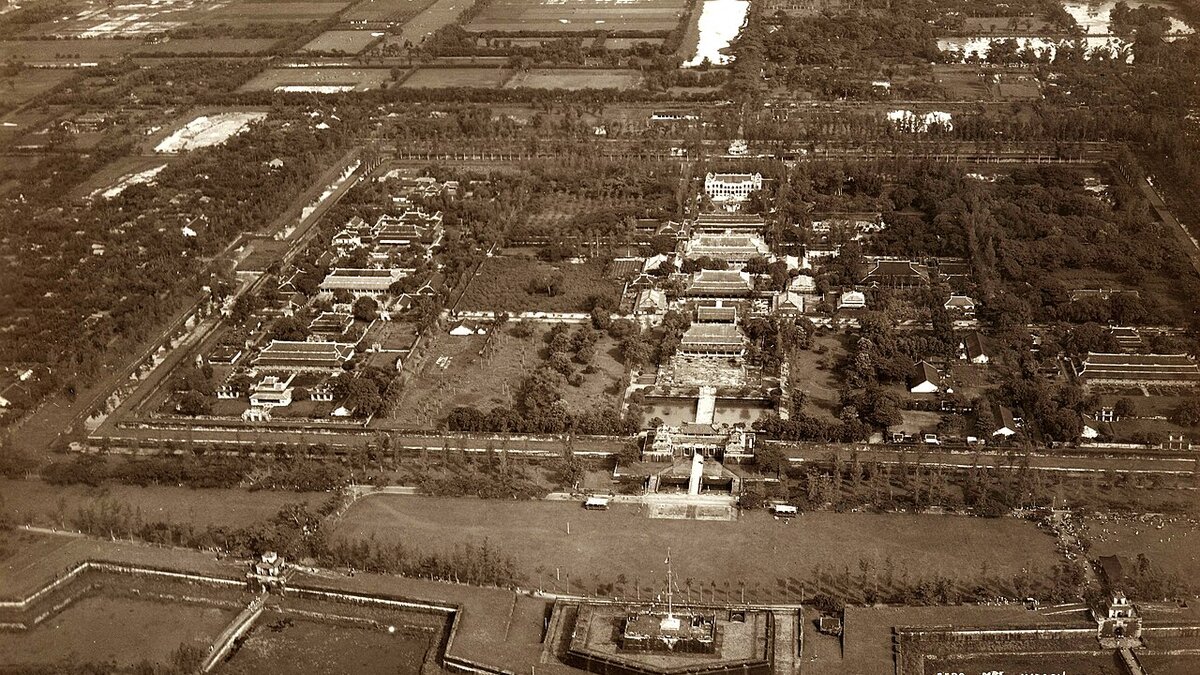
- Hue — former imperial capital, Complex of Hue Monuments (UNESCO 1993), Citadel, Thien Mu Pagoda and royal tombs.
- Quang Tri — Quang Tri Ancient Citadel, Vinh Moc Tunnels and Hien Luong–Ben Hai on the former Demilitarised Zone.
- Dong Hoi/Tho Loc — railhead for Phong Nha-Ke Bang National Park (UNESCO 2003), home to Phong Nha, Tien Son and the Hang En–Son Doong cave systems.
For context, the North-South Reunification Express already connects Hanoi to Ho Chi Minh City via Hue and Dong Hoi, but this is the first dedicated Hue–Phong Nha tourist shuttle. Timetable planners kept it as a day return so cruise and resort guests in Hue can do Phong Nha without an overnight in Dong Hoi.
How often does the train run and what is the timetable?
Daily, two directions. Railway Supply, which covered the inauguration on 31 August 2026, reports:
| Train | Departure | Arrival | Days |
|---|---|---|---|
| HQ2 | Hue 07:15 | Tho Loc 11:55 | Daily |
| HQ1 | Tho Loc 13:15 | Hue 17:25 | Daily |
Journey time is about 4 hours 40 minutes each way. The morning south-to-north leg is timed for park day tours: arrive Tho Loc before noon, transfer 45-60 minutes to Phong Nha town, do a 2-3 hour cave boat tour, and still make the afternoon return. Quang Tri Province pitched the service for the 2026 peak season, and Vietnam Railways confirmed every-day operation from 28 August without a weekly rest day.
Indian travellers flying into central Vietnam via Hanoi or Ho Chi Minh City can reach Hue by domestic flight (Vietnam Airlines, VietJet, Bamboo) or onward Reunification Express, then use this shuttle. Compared with self-driving Highway 1, the train avoids level-crossing delays and lets you see the Tam Giang Lagoon and Hai Van fringe without traffic.
How to book tickets and what does it cost?
Tickets are sold through Vietnam Railways' official channels and station counters:
- Website: dsvn.vn (Vietnam Railways) — search Hue to Tho Loc or Dong Hoi; select HQ1/HQ2. English version available.
- Counters: Hue, Dong Ha and Dong Hoi stations. Passport needed at purchase for foreign visitors.
- Class: Tourist soft seats and soft berth where offered; heritage cars have 2+2 seating.
Launch coverage did not publish a final tourist fare table, but Vietnam Railways typically prices Hue–Dong Hoi soft seat at VND 180,000–280,000 (INR 600–940) one way, and heritage surcharges are modest. Expect the Hue–Tho Loc return to be under VND 600,000 (INR 2,000) per person in soft seat. Confirm on dsvn.vn at booking — fares adjust by class and season.
Carry your passport with Vietnam e-Visa printout (Indians need the 90-day e-Visa, USD 25 single / USD 50 multiple since 15 August 2023, valid at Phu Bai near Hue and Dong Hoi). Baggage is limited to hand luggage; large trekking bags for cave tours can be left at Dong Hoi station cloak or your Phong Nha homestay.
What will you see along the way?
The heritage train is as much a moving viewpoint as transport. North of Hue, the line skirts Tam Giang–Cau Hai Lagoon, Vietnam's largest lagoon system, then cuts through Quang Tri's paddy and memorial landscapes. The short Vinh Moc and Dong Ha sections are where guides point out the DMZ history — the 17th parallel, the Ben Hai River and the tunnel complex that sheltered villages during the war.
At Tho Loc, connect to:
- Phong Nha town and Ke Bang park — Phong Nha Cave by dragon boat, Tien Son Cave, Paradise Cave, and for fit travellers, Hang En day treks.
- Quang Tri highlights on the return if you break the journey at Dong Ha — Citadel, Hien Luong Bridge and museum.
If you have extra days, extend to Hoi An or Ha Long Bay after the heritage loop. Many Indian itineraries do Hanoi–Ninh Binh–Hoi An–Hue–Phong Nha–Hanoi, and this train tightens the Hue–Phong Nha link that previously required a bus or private car. See Hanoi vs Ho Chi Minh City and Vietnam vs Thailand for Indians for routing ideas.
What should Indian travellers plan for the trip?
Visa: Indians are not visa-exempt. Use the Vietnam 90-day e-Visa via evisa.xuatnhapcanh.gov.vn; 17 airports, 16 land borders and 13 seaports are eligible, including Phu Bai (Hue) and Dong Hoi. A single entry covers Hue and Phong Nha if you do not re-enter.
Best months: February to April is driest for Phong Nha cave boats; September to November brings heavy rain and tour cancellations. Hue is warmest March to May. If you must travel in monsoon, keep a buffer day for train delays.
Flights from India: Delhi/Mumbai to Hanoi or Ho Chi Minh City on VietJet, Vietnam Airlines, IndiGo or Air India (one stop), then domestic to Hue. Total air time 5-7 hours plus 1.5 hours domestic.
Practical tips: Book HQ2 outward and HQ1 return on the same day only if you pre-book a Phong Nha boat slot for 13:00–15:00; otherwise overnight in Phong Nha town. Bring cash VND for park fees (Phong Nha Cave about VND 550,000/INR 1,850) and carry rain cover in shoulder season.
Frequently asked questions
What is the Hue Phong Nha heritage railway?
The Hue to Phong Nha heritage tourist train covers about 190 km between Hue and Tho Loc with stops at Dong Ha, My Trach and Dong Hoi. Operated by Vietnam Railways with Quang Tri Province and Hue City, it links the Complex of Hue Monuments and Phong Nha-Ke Bang National Park.
When does the Hue Phong Nha train run?
Daily since 28 August 2026. HQ2 departs Hue at 07:15 and arrives Tho Loc at 11:55; HQ1 returns from Tho Loc at 13:15 arriving Hue at 17:25. The service runs every day.
Do Indians need a visa for this Vietnam trip?
Yes. Indians need a 90-day e-Visa (USD 25 single, USD 50 multiple since 15 August 2023) for Vietnam, valid at 17 airports including Hue's Phu Bai and Dong Hoi, plus land and sea ports. Apply at evisa.xuatnhapcanh.gov.vn.
What can I see along the Hue Phong Nha train route?
The route connects two UNESCO sites — Hue's Imperial City and Phong Nha-Ke Bang — plus Quang Tri Citadel, Vinh Moc Tunnels and Hien Luong-Ben Hai. Hue to Dong Hoi is the scenic coastal and lagoon stretch.
Sources
- Railway Supply — Hue–Phong Nha tourist train starts daily service (31 Aug 2026, 190 km Hue-Tho Loc, HQ2 07:15-11:55, HQ1 13:15-17:25, inaugurated 28 Aug at Dong Hoi)
- Wikipedia — Complex of Hue Monuments (UNESCO World Heritage Site 1993)
- Wikipedia — Phong Nha-Ke Bang National Park (UNESCO 2003, karst and cave systems)
- Vietnam Immigration e-Visa Portal — 90-day e-Visa USD 25/50 since 15 Aug 2023, 17 airports including Hue and Dong Hoi