Laos has launched a crackdown on zero-dollar tours, ultra-cheap group trips blamed for diverting spending from local businesses through forced shopping and unlicensed guides.
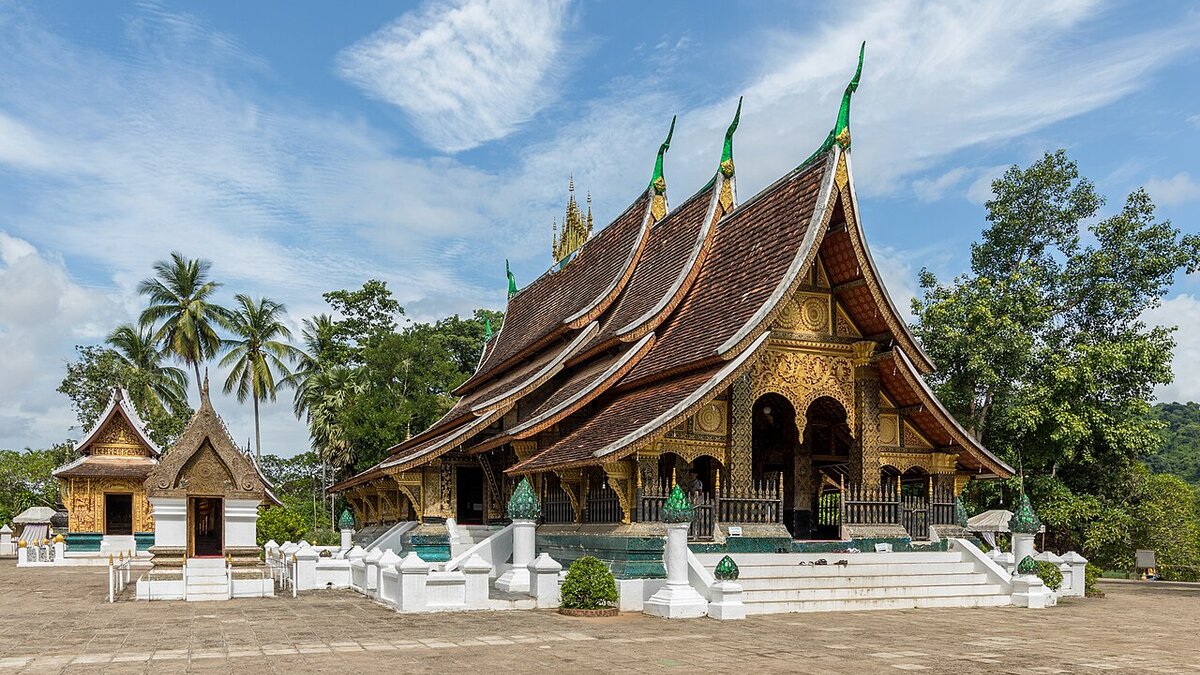
Cover image: Temple Wat Xieng Thong in Luang Prabang Laos — photo by Basile Morin, CC BY-SA 4.0, via Wikimedia Commons.
Laos has launched a crackdown on zero-dollar tours, the ultra-cheap group packages accused of channelling visitor spending away from Lao businesses through forced shopping and kickbacks, the Ministry of Information, Culture and Tourism said this week. Enforcement will target unlicensed guides, unregistered operators and itineraries that hide commissions behind cut-price headline fares, as the country seeks to keep more tourism revenue onshore after a rebound to record arrivals in 2024.
The move, reported by Travel Weekly Asia on 2 September under the headline "Laos launches crackdown on zero-cost tours", puts Laos alongside Thailand and Vietnam in pushing back against the model. Zero-dollar tours typically sell for a fraction of the real cost, then make up the margin from shops and restaurants that pay the operator for each busload. Travellers get a cheap ticket and a rushed schedule, while local hotels, restaurants and licensed guides outside the commission circuit lose out. For Laos, where tourism is a top foreign-exchange earner, the practice undercuts the shift toward quality over volume.
What are zero-dollar tours and why Laos cares
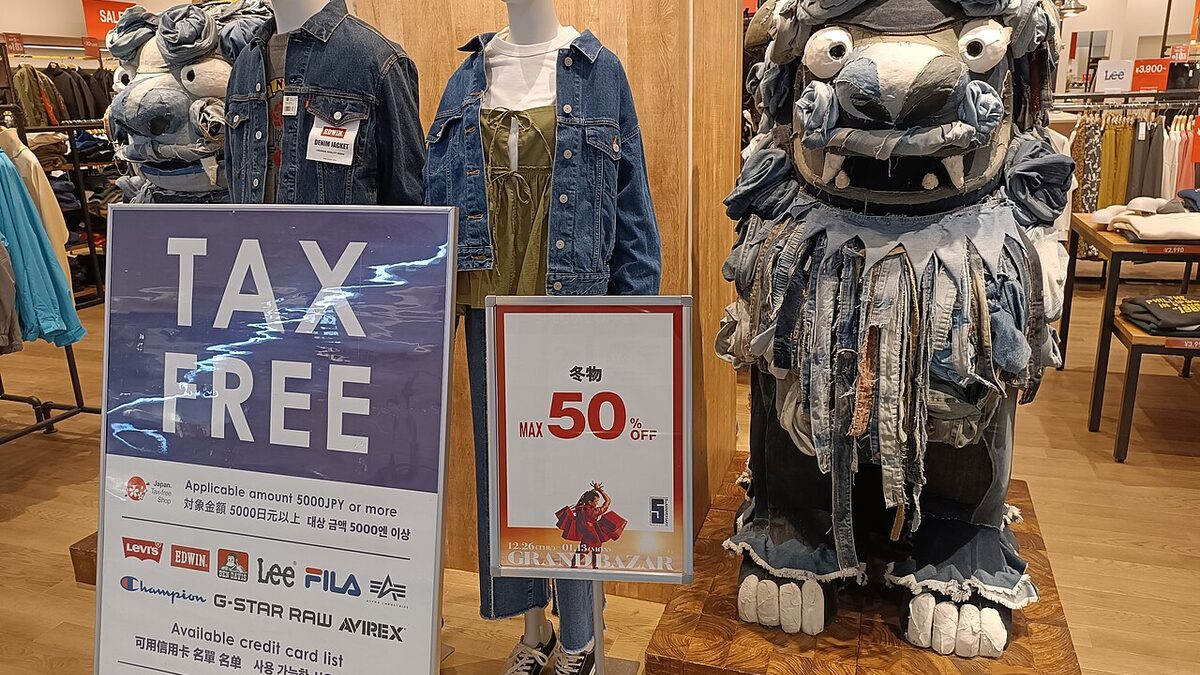
A zero-dollar tour is priced below operating cost. A two-day Luang Prabang to Vientiane package, for example, might be sold for 30-40 percent of the cost of transport, guide, meals and entry fees. The gap is covered by commissions from specific shops selling jewellery, latex, tea, silk or souvenirs, where the bus stops for an hour and guides earn a share of sales. In some variants, optional attractions become de facto mandatory, or the guide's income depends on selling add-ons inside the trip.
For Laos, the model is damaging in three ways. First, revenue leaks offshore when the tour is sold and controlled by a foreign wholesaler that contracts a local shell to operate on the ground. Money cycles back to the seller, not to Lao hotels and restaurants that would otherwise host the group. Second, visitor experience suffers when the schedule is built around shopping rather than temples, nature or food. Third, safety and labour standards slip when unlicensed guides and overloaded vans are used to preserve margin.
The timing matters. Laos welcomed more than 4 million international visitors in 2024, above pre-pandemic levels on some measures, driven by the China-Laos railway and regional road links. The government wants that volume to translate into income for provinces along the route, from Luang Namtha to Luang Prabang and Vang Vieng. If spending is captured by a closed loop of commission shops, the multiplier for local communities collapses. The crackdown is framed as protecting the destination brand as much as protecting revenue.
What the crackdown will target
Authorities said checks will focus on paperwork and practice. Inspectors will verify that operators hold a valid tourism business licence, that guides carry the national guide card and speak the language they are guiding in, and that vehicles have tourist transport permits and insurance. Itineraries will be checked for disclosure: shopping stops must be listed as optional and not occupy a disproportionate share of the day.
Operations that rely on foreign guides without work permits will be a priority. Laos requires that tours within the country be led by Lao licensed guides, with foreign tour leaders acting only as group minders where permitted. Vehicles operating without a Lao operator name on the side and without a contract showing the local partner are also in scope. Sites where buses congregate, such as the Royal Palace Museum, Kuang Si Falls and the Vientiane Patuxai area, are expected to see spot checks.
Penalties will be graduated. First-time paperwork lapses may draw warnings and fines, while repeat or egregious cases, such as forcing tourists to shop or abandoning groups at commission shops, can trigger licence suspension and blacklisting from government promotion channels. Hotels and restaurants that pay kickbacks to be on the commission circuit are also being reminded that only licensed operators can provide guide services on their premises. The ministry has asked provinces to set up hotlines for tourists to report coercion.
How it affects tour pricing and visitor experience
In the near term, the cheapest Laos packages are likely to get more expensive or disappear from some markets. Operators who were selling below cost will need to reprice to include proper guide wages, entry fees and meals that are actually provided, rather than deferred to a shopping stop. For travellers, that is a net gain in transparency. A legitimate Luang Prabang day tour that names the hotel, includes Kuang Si entry, lists lunch and names the guide association will be easier to distinguish from a vague "city and shopping" bus ride.
For Laos, the test will be consistency. Zero-dollar models migrate. When Thailand tightened, some flows moved to Vietnam and Cambodia before returning with new names. Laos will need coordination across borders, especially with neighbouring provinces in China, Thailand and Vietnam where the wholesalers sit. The China-Laos railway, which has boosted arrivals, also concentrates groups at a few stations, making inspection easier but also making a single disrupted group more visible.
Travellers booking Laos should look beyond headline price. A three-day Luang Prabang and Vang Vieng package that includes the railway ticket, licensed guide, entry fees and stated hotel names is likely genuine. A similarly short programme offered at a fraction of that price with a generic itinerary and no shop disclosure warrants caution. As with Bali's transport crunch or Thailand's visa stay adjustments, the Laos enforcement is part of a regional turn toward managing volume more carefully.
For Indian travellers, Laos remains a visa-on-arrival or eVisa destination with growing rail connectivity. Those comparing timing can check best time to visit Laos from India and Laos visa rules for Indians before fixing dates. Buying a tour that commits to licensed guides and no forced shopping is the simplest way to support the crackdown's intent and ensure the time in Luang Prabang is spent at temples and the Mekong, not in a back room sales pitch.
| Feature | Zero-dollar tour | Licensed tour |
|---|---|---|
| Price | Below cost, opaque | Cost-reflective, itemised |
| Shopping stops | Mandatory, commission-driven | Optional, disclosed |
| Guide | Often unlicensed or foreign without permit | Lao licensed guide |
| Spend | Captured by offshore operator | Stays in local economy |
Frequently asked questions
What are zero-dollar tours?
They are ultra-cheap group packages sold below cost, where the operator recoups money from commissions at specific shops, restaurants and attractions. Travellers pay little upfront but are taken to pre-arranged stops where spending is strongly encouraged or required.
Why is Laos cracking down now?
Laos recorded strong post-pandemic arrivals, but officials say zero-dollar models channel spending to offshore operators while local hotels, restaurants and guides see little benefit. Safety complaints and unlicensed guiding have also raised concerns.
How will enforcement work?
Authorities will check tour operator licences, guide credentials, vehicle permits and itinerary disclosures at tourist sites and border gates. Penalties include fines, licence suspension and blacklisting of repeat operators.
How can travellers avoid zero-dollar tours?
Compare inclusions, not just headline price. Legitimate tours name hotels, list entry fees, name the guide association and disclose shopping stops as optional. Very low prices with vague itineraries are a warning sign.