Tap water in Malaysia is treated to national standards but hotel tanks and old pipes make it risky. What to drink, ice safety and bottled-water costs explained.
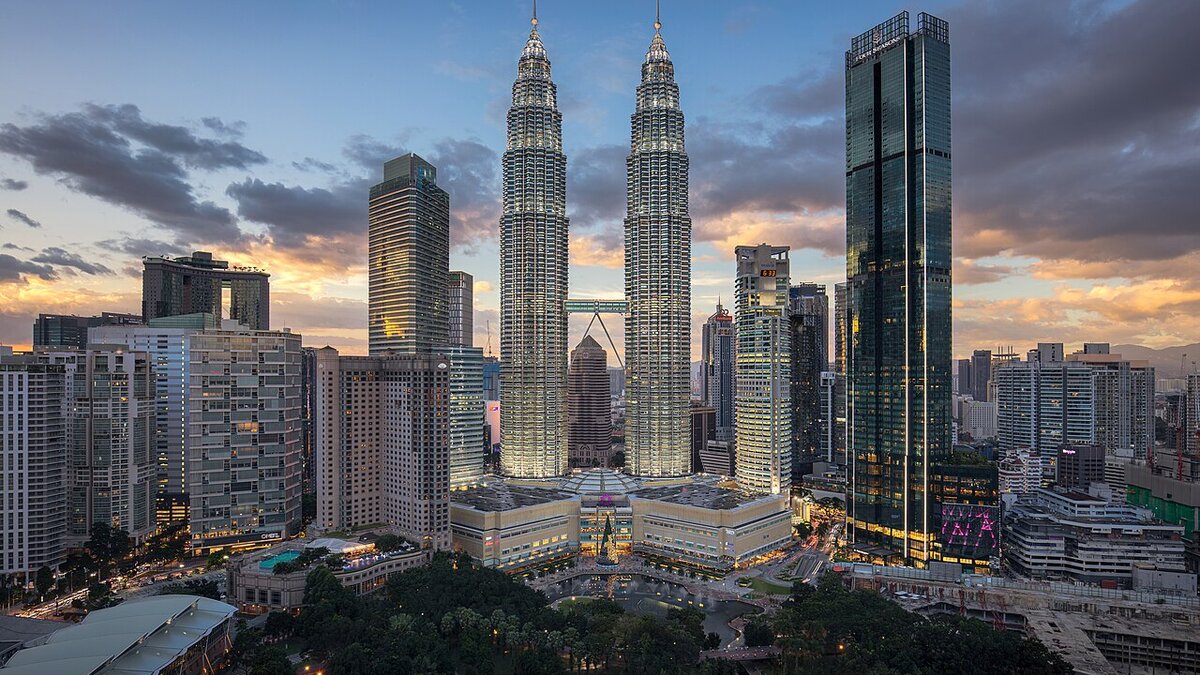
Cover image: Kuala Lumpur skyline with the Petronas Towers at sunset — photo by James Kerwin from Tbilisi, CC BY 2.0, via Wikimedia Commons.
Do not drink tap water straight from the tap in Malaysia. Treated water meets national quality standards when it leaves the plant, but ageing pipes and rooftop storage tanks can recontaminate it on the way to your glass. The standard traveller advice is simple: drink bottled, boiled or filtered water, use it for brushing your teeth if you have a sensitive stomach, and relax about ice in major restaurants and malls (commercial ice is made from treated water). Bottled water is cheap and everywhere: a 1.5-litre bottle costs just RM1–2 (₹20–40).
Is tap water in Malaysia treated and tested?
Yes, at source level. Malaysia's treated water must meet the National Drinking Water Quality Standards set by the Ministry of Health, and treatment is regulated by the National Water Services Commission (SPAN). Utilities such as Air Selangor publish regular quality reports showing high compliance at treatment plants. Kuala Lumpur's supply is among the most monitored in the region.
The problem is the last mile. Older condominiums, budget hotels and shophouses often store water in rooftop tanks that are cleaned irregularly, and ageing internal plumbing can add sediment and bacteria. That is why official traveller guidance, including the US CDC's Malaysia page, steers visitors toward safe-drink precautions rather than blanket reassurance. Our Singapore tap-water guide shows the contrast: across the causeway the same caution is unnecessary because the distribution system is newer and tightly managed.
What should travellers drink instead?
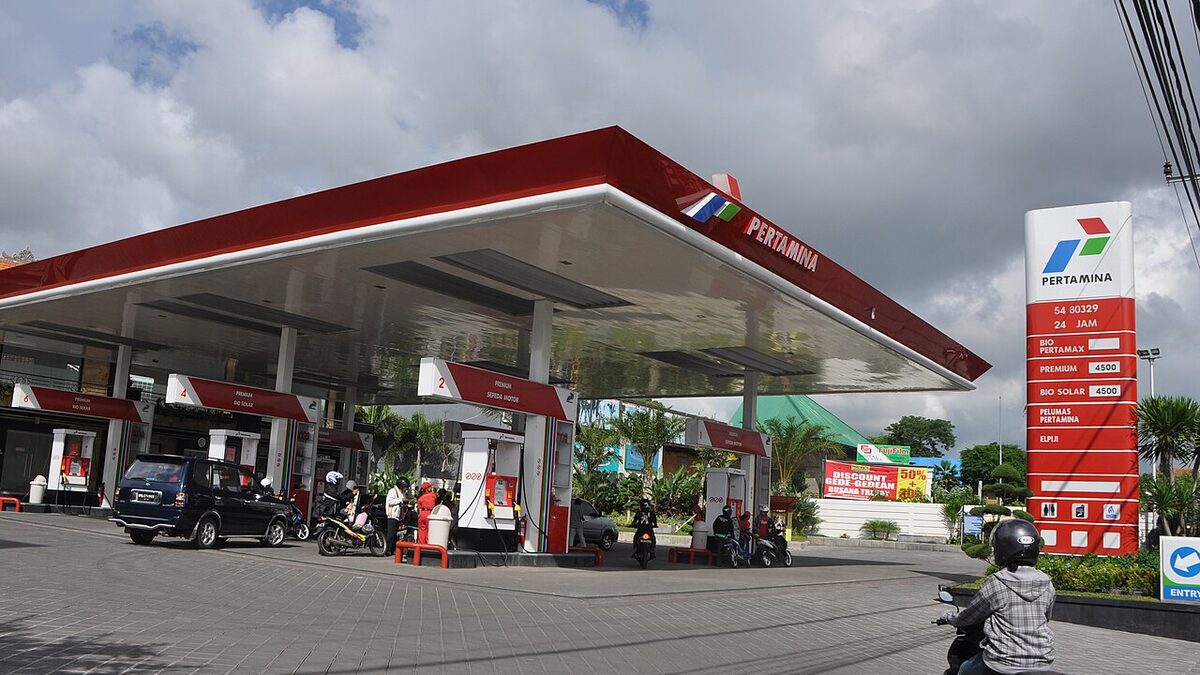
Bottled water from brands such as Spritzer, Cactus and Dasani is sold in every convenience store and petrol station. Most hotels provide two free bottles daily plus an electric kettle; boiling tap water for one minute makes it safe. Teenagers and backpackers often refill at mall water dispensers or use filtered-water stations in hostels.
Street-food drinks deserve a note. Fresh juices, coconut water and canned drinks are fine; drinks diluted with tap water or bulk ice from unverified stalls are the main risk. In air-conditioned restaurants and malls, ice from commercial suppliers is considered safe. Travellers with sensitive stomachs can compare notes with our Thailand tap-water guide, where the same bottled-first rule applies.
Brushing teeth, showers and swimming
Showering and brushing teeth with tap water is fine for most visitors; only the very cautious need bottled water for brushing. Avoid swallowing pool, river or sea water, and after jungle or island trips watch for stomach symptoms for a day or two. If diarrhoea strikes, oral rehydration salts (available at every Guardian or Watsons pharmacy) plus bottled water usually resolve it; see a clinic if symptoms persist beyond 48 hours.
Budgeting the small stuff matters on a cheap trip: see how much a Malaysia trip costs from India for the full daily breakdown in rupees.
Frequently asked questions
Can you drink tap water in Kuala Lumpur hotels?
It is treated to national standards but hotel tanks and pipes vary, so stick to the free bottled water and kettle most hotels provide. Luxury hotels with in-house filtration are the exception, and even there bottled water is the safer default.
Is ice safe in Malaysia?
Ice from commercial suppliers, used in malls and established restaurants, is made from treated water and considered safe. Be cautious with crushed bulk ice at roadside stalls.
How much does bottled water cost in Malaysia?
About RM1 for 500 ml and RM1.50–2 for 1.5 litres in convenience stores (roughly ₹20–40). Restaurants may charge RM3–5 for the same bottle.
Can I use tap water for brushing my teeth?
Yes, for most travellers. Only those with very sensitive stomachs or recovering from illness need to use bottled or boiled water for brushing.