

From Malaysia's RM500 million Visit Malaysia 2026 push to Hong Kong's 22-market brand relaunch and Brand USA's 80% funding cut, we compare how the world's tourism boards are spending, partnering and repositioning to win 2026 visitors.
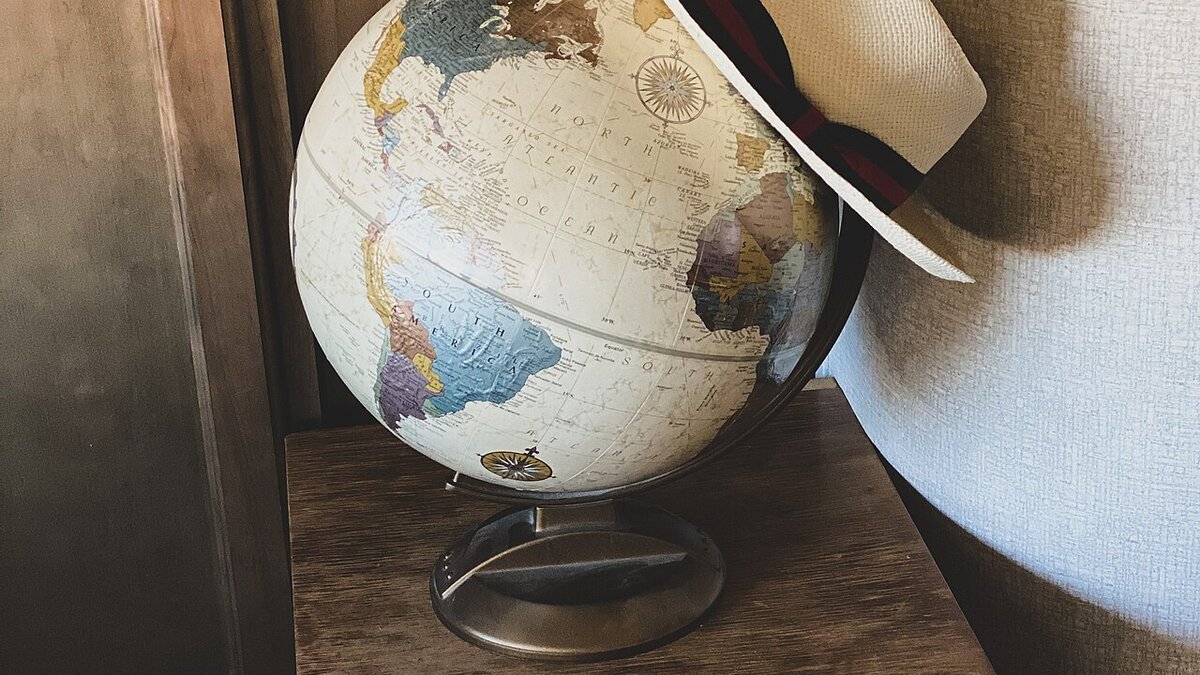
Cover image: Vintage globe with a traveller's straw hat resting on top — photo by CaptainKirky16, CC BY-SA 4.0, via Wikimedia Commons.
The world's tourism boards are making very different bets on 2026 — and the gap between the biggest spenders and the retrenchers has never been wider. Malaysia has committed RM500 million (about US$118 million) to its Visit Malaysia 2026 campaign, chasing 43 million international visitors and RM329 billion in tourism receipts, according to The Star. The Hong Kong Tourism Board unveiled a new global brand platform, "Only in Hong Kong", across 22 source markets on 3 August 2026, on top of a HK$20 million Summer Fun deals programme, according to TTG Asia. Saudi Arabia is playing an entirely different game: its tourism ministry says it will invest more than US$800 billion in the sector over ten years against a revised target of 150 million annual visits by 2030, according to Arab News.
Then there is the outlier. Brand USA, the destination marketer for the world's largest travel economy, saw its federal matching funds cut by roughly 80% — from US$100 million to US$20 million — in the July 2025 budget reconciliation bill, according to Conference & Meetings World, just as the WTTC forecast the United States would be the only country among 184 analysed to lose international visitor spending in 2025. Here is how the major campaigns compare, and what they reveal about where destination marketing is heading.
Which tourism boards are spending the most in 2026?
Measured by disclosed budget, Malaysia leads the pack among single-year campaigns. Budget 2026 allocated more than RM700 million to tourism promotion, with RM500 million ring-fenced for the Visit Malaysia 2026 campaign and its 43 million visitor target — the region's biggest single wager, pegged at RM329 billion in receipts, according to The Star.
Hong Kong is spending on two fronts at once. The HKTB's new "Only in Hong Kong" global campaign rolls out across 22 markets with a digital-and-social-first phase before expanding to television, local media and outdoor advertising, according to TTG Asia — while the separate Summer Fun promotion, offering some HK$20 million in deals across 19 attractions and three transport operators, runs until 31 August, according to the Hong Kong Tourism Board.
| Destination | Campaign / programme | Target | Budget (where disclosed) | Signature tactic |
|---|---|---|---|---|
| Malaysia | Visit Malaysia 2026 | 43m visitors, RM329bn receipts | RM500m campaign fund | Themed-year mega-campaign |
| Hong Kong | "Only in Hong Kong" + Summer Fun | Arrivals, spend, repeat visits | HK$20m deals pool (Summer Fun) | 22-market brand relaunch |
| Thailand | TAT x AirAsia MOVE (3-year MoU) | Key markets incl. Malaysia, India, China, US | Not disclosed | Airline platform + emerging destinations |
| India | Incredible India airline MoUs | Inbound + transit tourism | Not disclosed | Stopover programmes, Visit India Pass |
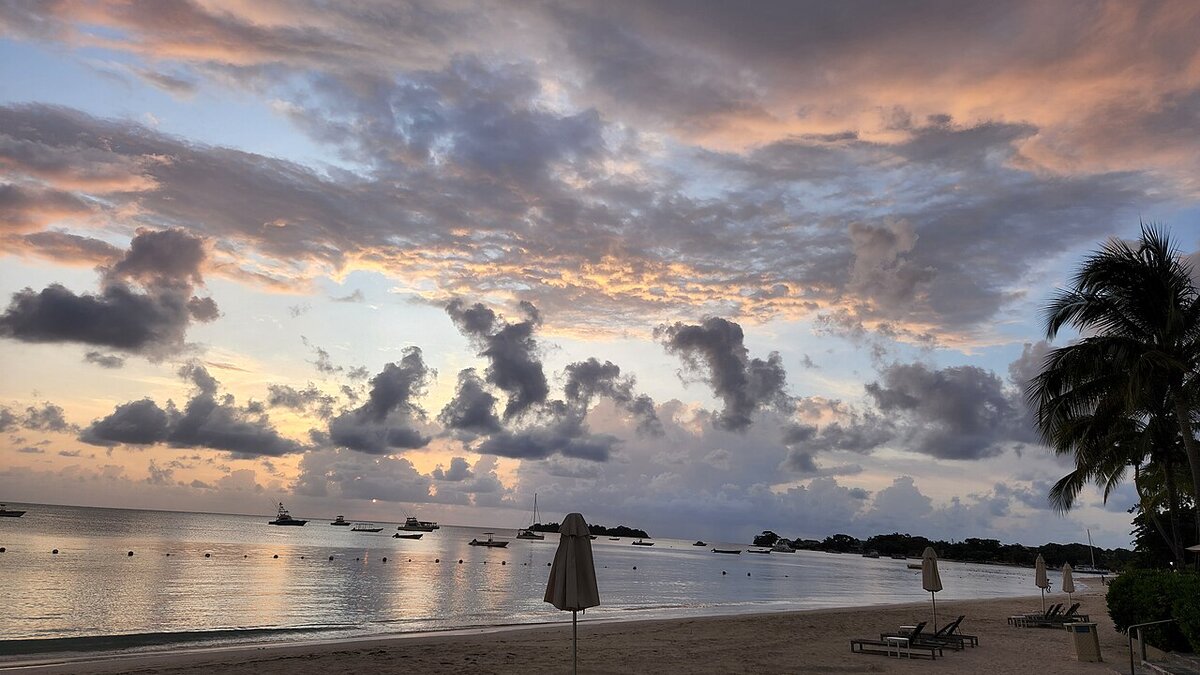
| Jamaica | Jamaica Summer Vibes 2026 | Summer season demand | Not disclosed | Festival-and-events calendar |
| Saudi Arabia | Vision 2030 tourism programme | 150m annual visits by 2030 | US$800bn+ over a decade | Build the destination itself |
| United States | Brand USA | World Cup 2026, America250 | Match cut US$100m → US$20m | Retrenchment and recalibration |
Why are tourism boards signing deals with airlines?
The clearest 2026 trend is the airline-DMO memorandum of understanding. The Tourism Authority of Thailand signed a three-year partnership with AirAsia MOVE on 23 June 2026, gaining access to the platform's 17 million monthly active users in source markets including Malaysia, India, China and the United States, according to the TAT Newsroom.
India has gone further, pairing its culture-and-culinary positioning with distribution muscle. The Air India–Ministry of Tourism MoU covers joint campaigns, a proposed co-branded Visit India Pass and stopover programmes designed to convert transit passengers into tourists — with a parallel "Incredible India by IndiGo" communication deal signed with the country's largest carrier. The logic is simple: airlines own the booking moment, first-party data and the seat inventory that turns advertising into arrivals.
How are destinations pushing visitors beyond the capital cities?
Dispersal is the second shared theme. Thailand's AirAsia tie-up explicitly supports emerging destinations and local tourism businesses nationwide rather than funnelling still more visitors into Bangkok and Phuket, according to the TAT Newsroom. Hong Kong's new brand film swaps postcard skylines for street markets, beaches and hiking trails across four pillars — variety, vibrancy, contrast and world-class experiences, according to TTG Asia.
Jamaica's Summer Vibes 2026 campaign, launched on 8 July and running to 31 August, spreads demand across the calendar — from Dream Weekend (30 July–3 August) to the MoBay Jerk and Food Festival, both in Montego Bay, according to the Jamaica Tourist Board. Seasonal, event-led pushes like this are cheaper than brand campaigns and easier to measure against hotel bookings.
What happened to Brand USA's funding?
While Asia spends up, the United States has cut back. The July 2025 "Big Beautiful Bill" budget reconciliation package slashed Brand USA's federal matching funds from US$100 million to US$20 million, forcing what chief executive Fred Dixon called a "significant recalibration of resources and programming", according to Conference & Meetings World. A bipartisan Visit USA Act, introduced in November 2025, sought to restore the full US$100 million match ahead of the 2026 FIFA World Cup and the 2028 Los Angeles Olympics — and industry outlet AltexSoft reports the funding was restored in legislation passed once the US government reopened that month.
The damage was already done in-market. The WTTC forecast the US economy would lose US$12.5 billion in international visitor spending in 2025, with inbound spend falling to just under US$169 billion from US$181 billion in 2024 — the only decline among 184 countries analysed. Industry groups argue that a marketing retreat during a mega-event cycle hands share directly to the destinations above.
Does bigger tourism marketing spend actually work?
Budget alone is a poor predictor. Saudi Arabia hit its original 100-million-visit goal six years early and recorded 122 million visits in 2025, according to Arab News — but that owes more to visa liberalisation and US$800 billion of planned product investment than to advertising. Malaysia, likewise, is not relying on media spend alone: Visit Malaysia 2026 runs alongside visa-free entry for its biggest growth markets, China and India.
The honest answer is that campaigns work when they remove friction — visas, airfares, awareness gaps — rather than simply buying media. That is why the smartest boards now behave like commercial partners, and why understanding what a DMO actually does matters more than reading its press releases. Expect the airline-MoU model, dispersal incentives and event-led seasonal pushes to define 2027 planning too.
Frequently asked questions
Which country has the biggest tourism campaign in 2026?
Among single-year campaigns, Visit Malaysia 2026 is the region's largest, with RM500 million in dedicated funding and a 43 million visitor target, according to The Star. Saudi Arabia's Vision 2030 programme is bigger in absolute terms — its ministry plans over US$800 billion of investment — but that is a decade-long destination-building effort, not a marketing campaign.
Why did Brand USA lose its funding?
The budget reconciliation bill passed by the US Congress in July 2025 cut Brand USA's federal matching funds by roughly 80%, from US$100 million to US$20 million, according to Conference & Meetings World. A bipartisan Visit USA Act introduced in November 2025 aimed to restore the full match ahead of the 2026 World Cup, and AltexSoft reports post-shutdown legislation restored the funding.
What is the "Only in Hong Kong" campaign?
It is the Hong Kong Tourism Board's new global brand platform, rolled out on 3 August 2026 across 22 source markets, according to TTG Asia. It leads with digital and social channels before expanding into TV, local media and outdoor, and runs alongside the HK$20 million Summer Fun deals programme.
Are airline-tourism board partnerships a new trend?
Joint marketing is old; formal multi-year MoUs with platform access are the 2026 twist. Thailand's TAT signed a three-year deal with AirAsia MOVE in June 2026, and India's tourism ministry signed MoUs with both Air India and IndiGo covering stopover products and co-branded global campaigns.
Sources
- TTG Asia — Hong Kong rolls out new global tourism campaign across 22 markets
- GlobeNewswire — HKTB's Hong Kong Summer Fun adds ticket, spending offers
- The Star — VM2026 marks a step forward for tourism growth
- TAT Newsroom — Tourism Authority of Thailand and AirAsia MOVE partner to boost travel to and across Thailand
- Jamaica Tourist Board — JTB launches Jamaica Summer Vibes 2026 campaign
- Arab News — Saudi Arabia to invest over $800bn in tourism, targets 150m visits by 2030
- Arab News — Saudi Arabia records 122 million tourism visits in 2025
- Conference & Meetings World — Brand USA faces major challenge as 80% of federal funding cut
- AltexSoft — Brand USA to restore $100m funding post-shutdown
- WTTC — US economy set to lose $12.5bn in international traveler spend this year
Related coverage
 Lufthansa Cuts 2026 Profit Outlook as Fuel Bill Surges and Middle East Crisis Drags on Earnings
04 Aug 2026
Lufthansa Cuts 2026 Profit Outlook as Fuel Bill Surges and Middle East Crisis Drags on Earnings
04 Aug 2026
 Business Travel Spending to Hit Record $1.71 Trillion in 2026, GBTA Says — but $2 Trillion Slips to 2030
04 Aug 2026
Business Travel Spending to Hit Record $1.71 Trillion in 2026, GBTA Says — but $2 Trillion Slips to 2030
04 Aug 2026
 El Niño Quiets the 2026 Hurricane Season — and Opens the Caribbean's Deepest Deal Window
04 Aug 2026
El Niño Quiets the 2026 Hurricane Season — and Opens the Caribbean's Deepest Deal Window
04 Aug 2026
Post a comment