

WTTC's Economic Impact Research puts India's travel and tourism economy at a record $263.6 billion in 2025 — 6.6% of GDP and 46.2 million jobs. Yet 86% of spending is domestic, and arrivals still trail 2019, leaving India's inbound potential largely untapped as it heads for fourth place globally.
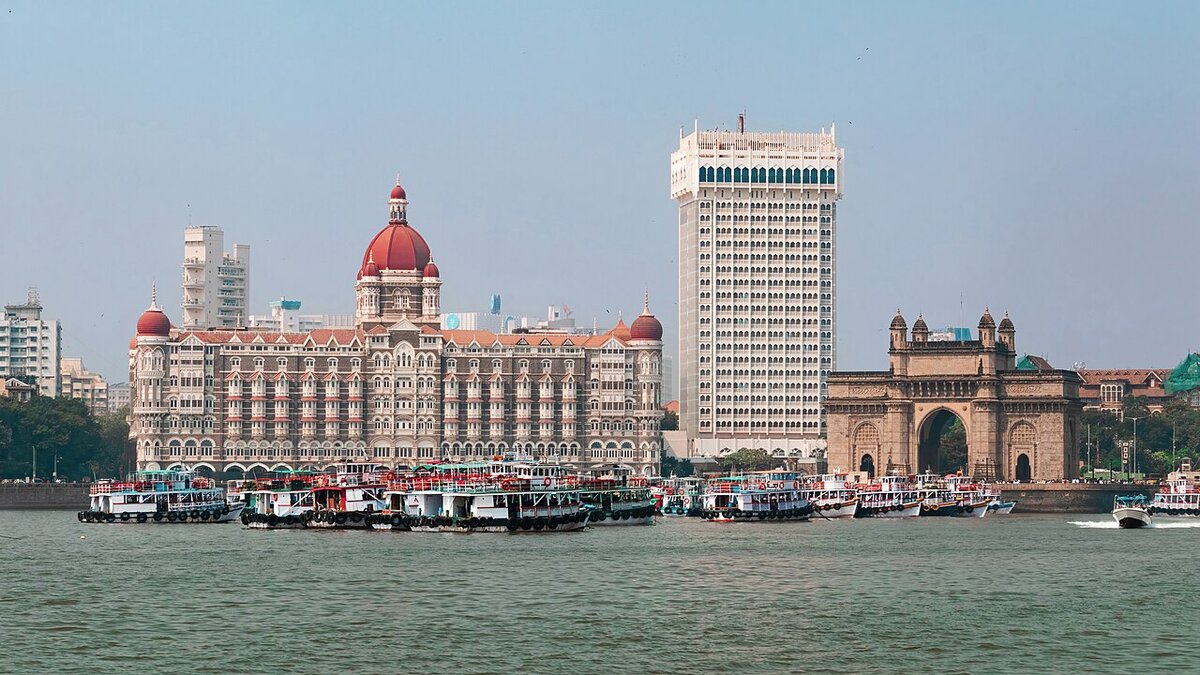
Cover image: Gateway of India and Taj Mahal Palace hotel on Mumbai's waterfront — photo by iMahesh, CC BY-SA 4.0, via Wikimedia Commons.
India's travel and tourism sector contributed a record $263.6 billion to the national economy in 2025 — 6.6% of GDP — according to the World Travel & Tourism Council's latest Economic Impact Research, highlighted by trade publication Asian Hospitality on 4 August 2026. The sector supported 46.2 million jobs and expanded by 7.3% last year, well ahead of the global travel and tourism average of 4.1%.
WTTC forecasts further acceleration: growth of 8.5% in 2026 would lift the sector to $286.1 billion and 48.1 million jobs this year, while the council's ten-year projection sees India's travel and tourism economy reaching $527 billion by 2036 — climbing from the world's tenth-largest travel and tourism economy to fourth place globally.
The caveat sits in the composition. Domestic travellers accounted for $203 billion — 86% of all travel and tourism spending — in 2025, WTTC said, leaving international visitors at roughly 14% of the total. Foreign tourist arrivals of about 9 million in 2025 remain below the 10.93 million recorded in 2019, making India's boom an overwhelmingly home-grown story.
What does the WTTC report say about India's tourism economy?
The figures come from WTTC's Economic Impact Research, the annual country-by-country dataset covering 184 economies. Globally, the council puts travel and tourism's 2025 contribution at $11.6 trillion, or 9.8% of world GDP, supporting 366 million jobs — with a rise to around $12 trillion forecast for 2026.
India is outpacing that global curve. Domestic tourism spending grew by more than 10% year-on-year in 2025, WTTC said, powered by rising incomes, aggressive airline expansion and a wave of new infrastructure. "India has every ingredient to become one of the world's great international tourism success stories," WTTC president and CEO Gloria Guevara said in the report.
Why is India's tourism boom still a domestic story?
The inbound gap is stark. With arrivals of roughly 9.02 million in 2025 — down 9.4% year-on-year, largely on the collapse of Bangladesh traffic — India attracts fewer foreign visitors in a full year than Dubai handles in half of one, despite a population of 1.4 billion and 45 UNESCO World Heritage sites.
Promotion budgets have moved in the opposite direction to ambition. As Travel Market News reported in its analysis of India's culture-and-culinary tourism strategy for 2026, the overseas marketing allocation was slashed to about ₹3.5 crore (roughly US$400,000) for FY27, from ₹103.48 crore the previous year — a fraction of what competitors such as Thailand deploy. The one bright spot for high-value inbound: those who do come stay long, with WTTC citing an average international visit of 18.5 days.
- Domestic spending 2025: $203 billion (86% of total)
- International share of spend: ~14%
- Foreign arrivals: ~9.02 million in 2025 vs 10.93 million in 2019
- Average international stay: 18.5 days
How fast will India's tourism economy grow by 2036?
WTTC's trajectory implies India roughly doubles its travel and tourism economy within a decade, with international visitor spending forecast to rise by almost 60% over the period — the fastest-growing component of the mix.
| Metric | 2025 (actual) | 2026 (forecast) | 2036 (projection) |
|---|---|---|---|
| Travel & tourism GDP contribution | $263.6bn | $286.1bn | $527bn |
| Share of national GDP | 6.6% | — | — |
| Jobs supported | 46.2m | 48.1m | — |
| Sector growth rate | 7.3% | 8.5% | — |
| Global T&T ranking | 10th | — | 4th |
Source: WTTC Economic Impact Research, July 2026.
What role do Air India and IndiGo play in inbound growth?
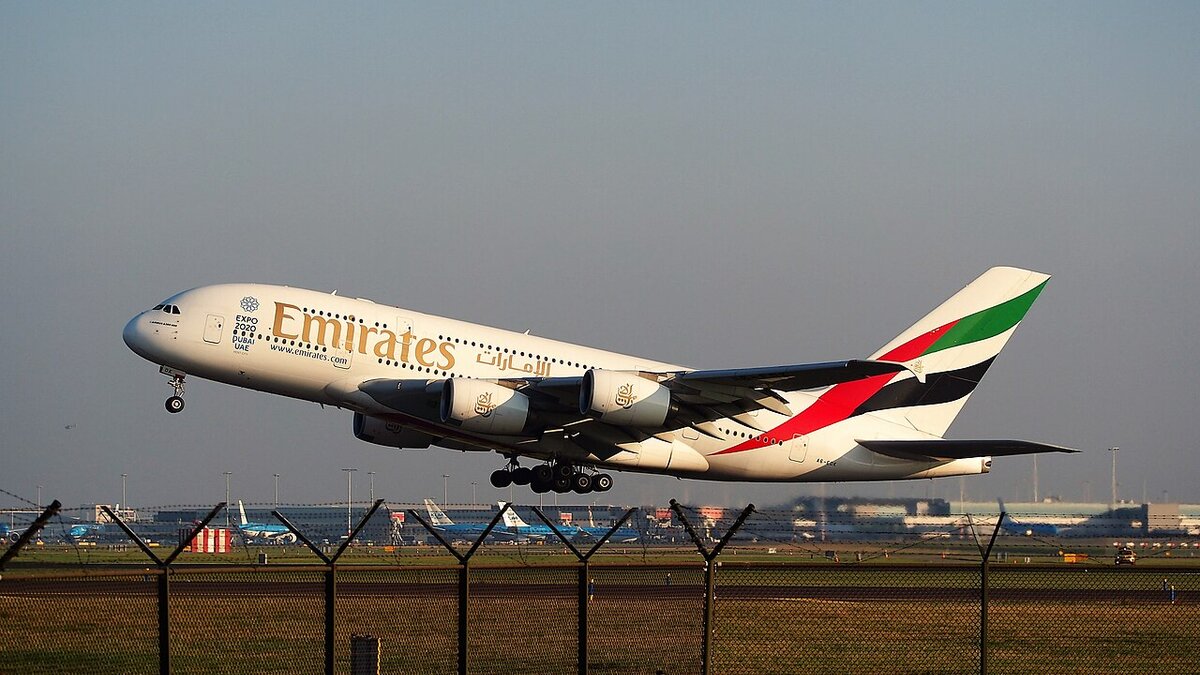
Aviation is where capacity meets intent. On 27 July 2026 Air India signed a memorandum of understanding with the Ministry of Tourism to co-market India abroad and build Dubai-style stopover programmes at Delhi and Mumbai — leveraging a carrier with 40 international destinations and 570 aircraft on order.
IndiGo, India's largest airline, has just made its most consequential leadership move: former IATA director general Willie Walsh took charge as IndiGo chief executive on 3 August 2026, succeeding Pieter Elbers as the carrier pushes deeper into long-haul flying. New gateways — Navi Mumbai and Noida international airports both opened within the past year — plus the Mumbai–Ahmedabad high-speed rail corridor give that capacity somewhere to land.
What must happen to convert domestic scale into inbound dollars?
WTTC's prescription is enhanced connectivity, seamless and secure travel experiences, and continued progress on visa facilitation. India has started on the last point: the e-Tourist Visa now covers 166 countries, with 25 more nations eligible from 15 August 2026.
The harder fixes are fiscal. Asian Hospitality notes that while the Union Budget 2026–27 prioritises tourism for jobs and regional development, the industry's long-standing request for infrastructure status remains unaddressed — and a near-zero overseas marketing budget leaves airlines and hotel groups to carry the destination-branding load. Converting a 14% international spending share into the near-60% growth WTTC projects will require the state to match private-sector investment with sustained promotion.
Frequently asked questions
How much did travel and tourism contribute to India's economy in 2025?
WTTC's Economic Impact Research puts the sector's contribution at a record $263.6 billion in 2025, equal to 6.6% of India's GDP. It supported 46.2 million jobs and grew 7.3% year-on-year — faster than the 4.1% global sector average.
Is India's tourism growth driven by domestic or international travellers?
Overwhelmingly domestic. Indian residents spent $203 billion on travel in 2025 — 86% of all tourism expenditure — with domestic spending up more than 10% year-on-year. International visitors accounted for roughly 14% of spend, and foreign arrivals remain below the 2019 peak of 10.93 million.
What is WTTC's forecast for India's tourism economy?
WTTC expects 8.5% growth in 2026, taking the sector to $286.1 billion and 48.1 million jobs. By 2036 it projects a $527 billion travel and tourism economy, with India rising from the world's tenth-largest to its fourth-largest.
Why are India's foreign tourist arrivals still below pre-pandemic levels?
Arrivals fell to about 9.02 million in 2025, hit by the collapse of Bangladesh traffic and a drastic cut in overseas promotion funding to roughly US$400,000 for FY27. Excluding Bangladesh, arrivals actually grew about 4.25%, suggesting connectivity and marketing — not demand — are the binding constraints.
Sources
Related coverage
 India's 2026 Inbound Reset: Culture, Cuisine and a Marketing Budget Paradox
04 Aug 2026
India's 2026 Inbound Reset: Culture, Cuisine and a Marketing Budget Paradox
04 Aug 2026
 Visit Malaysia 2026 at Mid-Year: 43 Million Target Still in Reach, but the Growth Engine Is Cooling
04 Aug 2026
Visit Malaysia 2026 at Mid-Year: 43 Million Target Still in Reach, but the Growth Engine Is Cooling
04 Aug 2026
 AirAsia and Tourism Authority of Thailand Sign Three-Year Pact to Push Traffic Into Secondary Cities
04 Aug 2026
AirAsia and Tourism Authority of Thailand Sign Three-Year Pact to Push Traffic Into Secondary Cities
04 Aug 2026


Post a comment