

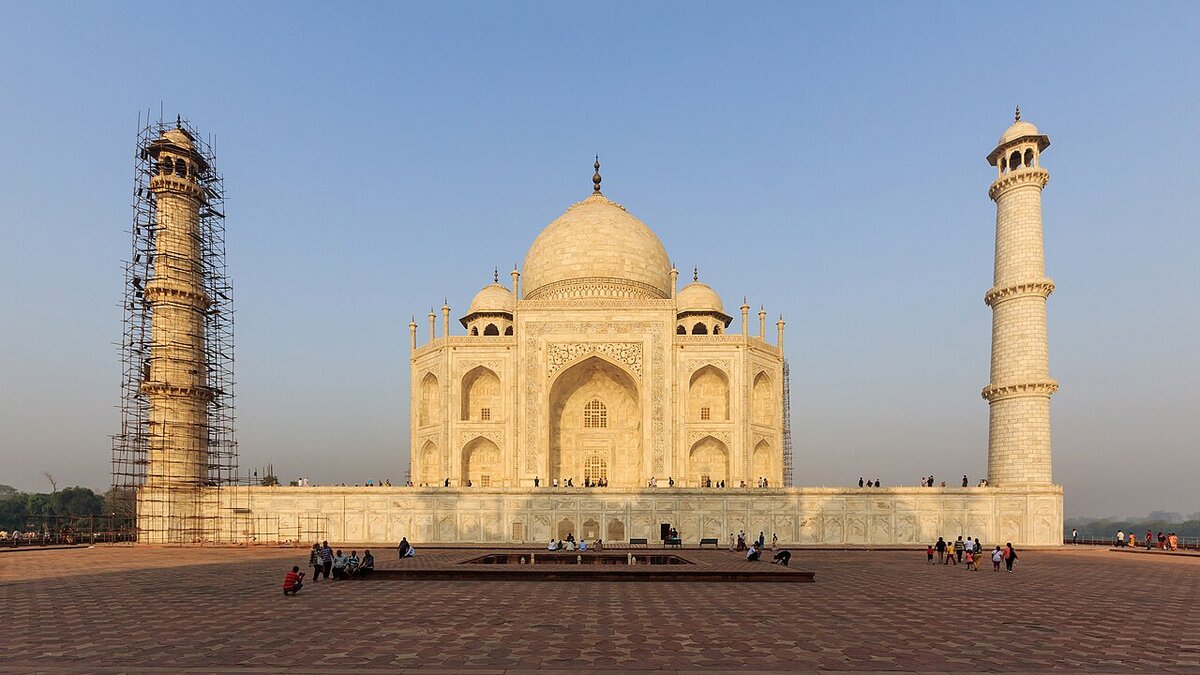
India's 2026 inbound strategy leans on culture, cuisine and airline partnerships after foreign arrivals fell 9.4% to 9.02 million in 2025 — while the overseas marketing budget shrank to ₹3.5 crore. Here is what the reset means for tour operators.
Cover image: Taj Mahal at sunrise, the enduring centrepiece of India's inbound tourism appeal — photo by A.Savin, FAL, via Wikimedia Commons.
India's Ministry of Tourism has spent 2026 rebuilding its inbound pitch around three themes — culture, culinary travel and experience-led niches — and it is doing so with almost no advertising money. The refreshed Incredible India positioning was rolled out at ITB Berlin from 3–5 March 2026, where the ministry launched the first two of ten short destination films produced with Netflix: one on India's culture, festivals and heritage, the other on the diversity of Indian cuisine. On 27 July the ministry added distribution muscle, signing a memorandum of understanding with Air India covering co-branded campaigns and a Delhi–Mumbai stopover programme we analyse in a companion piece, followed three days later by a parallel "Incredible India by IndiGo" deal with the country's largest carrier, as Skift reported.
The urgency is real. Foreign tourist arrivals (FTAs) fell 9.4% in 2025 to 9.02 million, according to Ministry of Tourism data — still below the pre-pandemic peak of 10.93 million in 2019 and down from 9.95 million in 2024. Yet the FY27 Union Budget cut tourism-marketing spending to just ₹3.5 crore (about US$400,000), down from ₹103.48 crore in the previous fiscal, per TravTalk India. India is attempting an inbound revival on the cheap — and outsourcing the megaphone to its airlines.
What is India's inbound tourism strategy for 2026?
The strategy visible at ITB Berlin 2026 repositions Incredible India away from generic destination advertising towards niche, experience-led segments: spiritual and wellness travel, weddings, adventure, ecotourism and gourmet itineraries. India brought eight states and two union territories to Messe Berlin alongside destination management companies and tour operators, and the tourism minister held bilateral meetings with Indonesia's tourism minister, Germany's federal tourism commissioner and the UN Tourism secretary-general on connectivity and sustainable travel, per DD News.
The Netflix partnership is the clearest signal of the new approach: ten short promotional films over the coming year, with culture and cuisine chosen as the first two subjects. Storytelling through streaming platforms and airline channels replaces the paid media campaigns India can no longer fund. It is a legitimate strategy — but one that depends on partners doing work a national tourism organisation would normally do itself; our explainer on what a tourism board actually does shows how unusual that delegation is.
How many foreign tourists actually visit India?
The headline decline of 2025 is less alarming than it first appears. Arrivals from Bangladesh collapsed 73% to about 466,000 amid bilateral tensions and visa restrictions — a fall of roughly 1.28 million visitors that exceeded the total net decline. Excluding Bangladesh, FTAs grew 4.25% in 2025, per ministry data.
Still, the trajectory is sobering when set against competitors. Thailand projects 30–34 million international arrivals in 2026, per the Tourism Authority of Thailand's April outlook, and Japan has just posted a record inbound year. India, with more than triple Thailand's population and arguably the world's deepest cultural inventory, has never crossed 11 million foreign arrivals.
| Indicator | Latest figure |
|---|---|
| Foreign tourist arrivals, 2019 peak | 10.93 million |
| Foreign tourist arrivals, 2025 | 9.02 million (−9.4%) |
| Tourism marketing budget, FY27 | ₹3.5 crore (≈US$400,000) |
| Thailand TAT 2026 campaign budget | THB 4.5 billion (≈US$140 million) |
| e-Tourist Visa coverage | 166 countries; 25 more from 15 Aug 2026 |
| Vande Bharat rail services | 164 in operation, early 2026 |
Why is India's tourism marketing budget so small?
The FY27 budget gave the tourism ministry a total allocation of ₹2,438 crore, slightly below the previous year's ₹2,541 crore, per Moneycontrol — and tilted almost everything towards infrastructure and destination development. Marketing allocation fell steeply from ₹103.48 crore to ₹3.5 crore, a cut of roughly 97%, and domestic promotion received no allocation at all, TravTalk India reported. Thailand's tourism authority, by contrast, secured THB 4.5 billion for 22 strategic initiatives in 2026 — roughly 350 times India's marketing spend at current exchange rates.
The airline MoUs are the government's answer. Air India brings a global network, its Maharaja Club loyalty programme and hubs in Delhi and Mumbai that the MoU explicitly targets for transit and stopover tourism, according to SMEStreet; the two sides will also explore a "Visit India Pass", per NewsOnAir. Skift's assessment is blunter: the airline partnerships are a response to a state marketing budget that has all but ceased to exist.
What is India fixing on visas, airports and trains?
The facilitation story is stronger than the marketing one. The e-Tourist Visa now covers 166 countries, up from 157 a year earlier, per VisaHQ — and a further 25 countries join from 15 August 2026, including Kenya, Colombia, Serbia and Tanzania, according to VisasUpdate. India still lacks a remote-work route, however, leaving it off the map in our digital nomad visa country guide.
- Navi Mumbai International Airport opened to commercial flights on 25 December 2025, decongesting Mumbai's gateway.
- Noida International Airport (Jewar) was inaugurated on 28 March 2026, though the start of scheduled flights has been delayed by pending security clearances, per Wego.
- 164 Vande Bharat services now link major corridors by rail, per RailMitra's 2026 tracker.
- GST on hotel rooms up to ₹7,500 dropped to 5% from 22 September 2025 — though rooms above that threshold, where most inbound luxury demand sits, still carry 18%, per TaxGuru.
What should tour operators watch over the next 12 months?
First, whether the Air India and IndiGo campaigns produce measurable route-level demand — stopover packages need fare products, ground handling and attraction tie-ins, not just announcements. Second, the 15 August e-visa expansion, which opens fast-growing African and Latin American markets. Third, whether Bangladesh arrivals normalise; that alone would restore India's growth headline. Fourth, any restoration of promotion funding in the February 2027 budget — former NITI Aayog CEO Amitabh Kant has argued publicly that India is leaving billions in tourism revenue unclaimed, estimating that a US$200 million marketing push could attract a million additional visitors.
The pieces of a credible inbound platform — airports, trains, e-visas, airline hubs, a sharper brand narrative — are finally assembling. What is missing is sustained money behind the message, and 2026 will test whether partnerships can substitute for it.
Frequently asked questions
Is India's inbound tourism back to pre-pandemic levels?
No. India recorded 9.02 million foreign tourist arrivals in 2025, against 10.93 million in 2019, according to Ministry of Tourism data. Excluding the collapse in Bangladeshi arrivals, the underlying market grew 4.25% in 2025.
Which countries can get an India e-visa in 2026?
The e-Tourist Visa covers 166 countries as of early 2026, up from 157 a year earlier. A further 25 countries — including Kenya, Colombia, Serbia and Tanzania — become eligible from 15 August 2026, with fees unchanged at US$25–80 depending on visa type.
How much does India spend on tourism marketing compared with Thailand?
India allocated ₹3.5 crore (about US$400,000) for tourism marketing in FY27, down from ₹103.48 crore, per TravTalk India. Thailand's TAT secured THB 4.5 billion (about US$140 million) for 22 initiatives in 2026 — roughly 350 times more.
What does the Air India–Ministry of Tourism MoU cover?
Signed on 27 July 2026 in New Delhi, it covers joint Incredible India campaigns, destination storytelling, trade engagement and the development of stopover programmes through Air India's Delhi and Mumbai hubs, with tie-ins to the Maharaja Club loyalty scheme and a proposed "Visit India Pass".
Sources
- Skift — India's Inbound Problem: With Its Marketing Budget Gutted, Government Enlists Air India and IndiGo
- The Morning Voice — India's foreign tourist arrivals down 9.4% in 2025 amid Bangladesh slump
- TravTalk India — Tourism marketing budget slashed sharply, no funds for domestic promotion
- NewsOnAir — Air India and Ministry of Tourism sign MoU to promote Incredible India brand
- SMEStreet — Air India and Ministry of Tourism enter MoU to jointly promote India as a global tourism destination
- DD News — India strengthens tourism ties with Germany and Indonesia at ITB Berlin 2026
- TAT Newsroom — Thailand launches "The New Thailand" vision to redefine tourism in 2026
- TAT Newsroom — TAT refocuses on value over volume as 2026 tourism outlook is recalibrated
- VisasUpdate — India e-visa expansion 2026: 25 countries from August 15
Related coverage
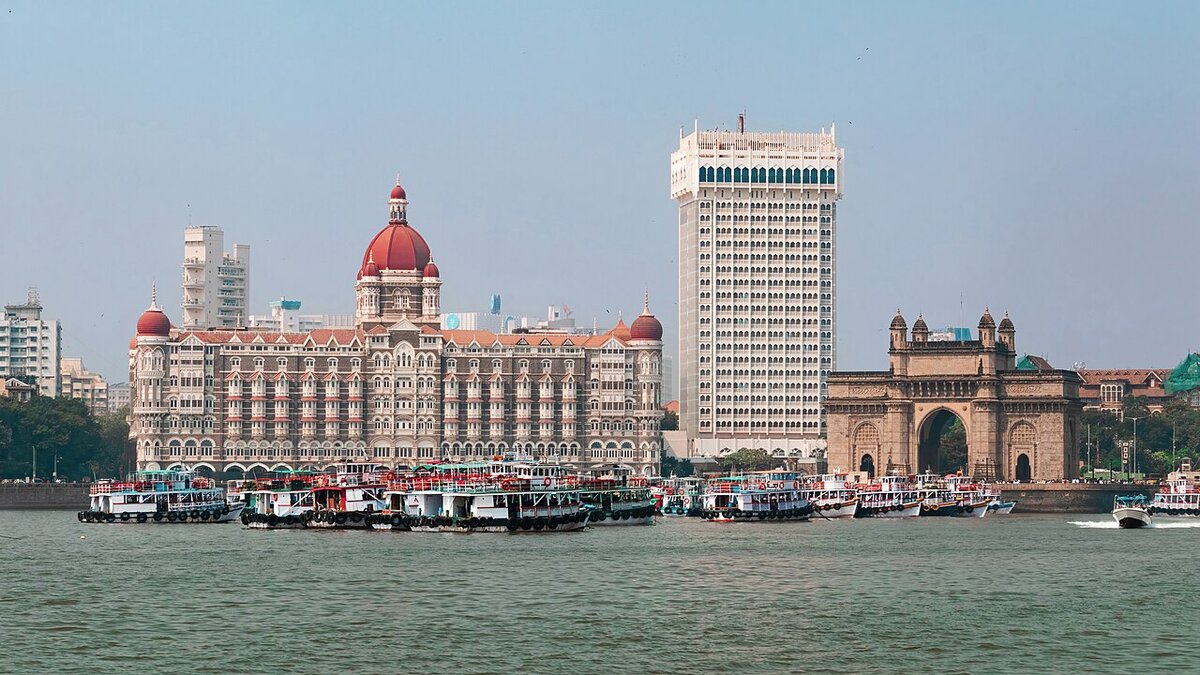 India's Travel and Tourism Economy Hits Record $263.6 Billion, WTTC Says — But Inbound Still Lags
04 Aug 2026
India's Travel and Tourism Economy Hits Record $263.6 Billion, WTTC Says — But Inbound Still Lags
04 Aug 2026
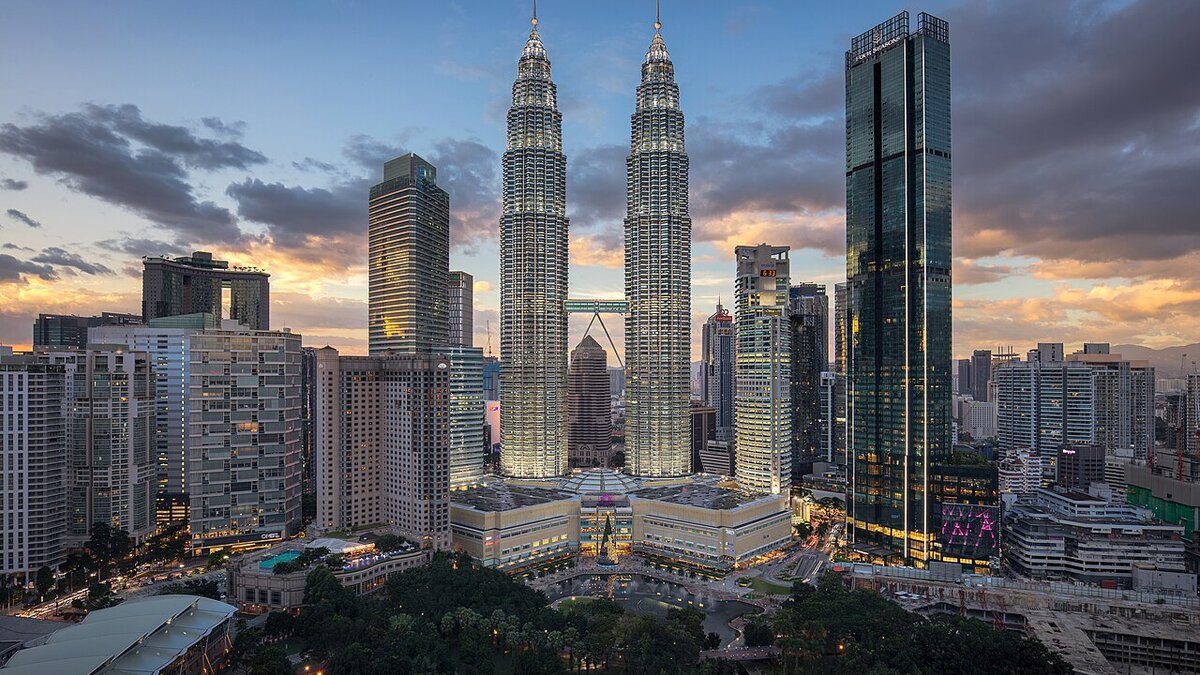 Visit Malaysia 2026 at Mid-Year: 43 Million Target Still in Reach, but the Growth Engine Is Cooling
04 Aug 2026
Visit Malaysia 2026 at Mid-Year: 43 Million Target Still in Reach, but the Growth Engine Is Cooling
04 Aug 2026
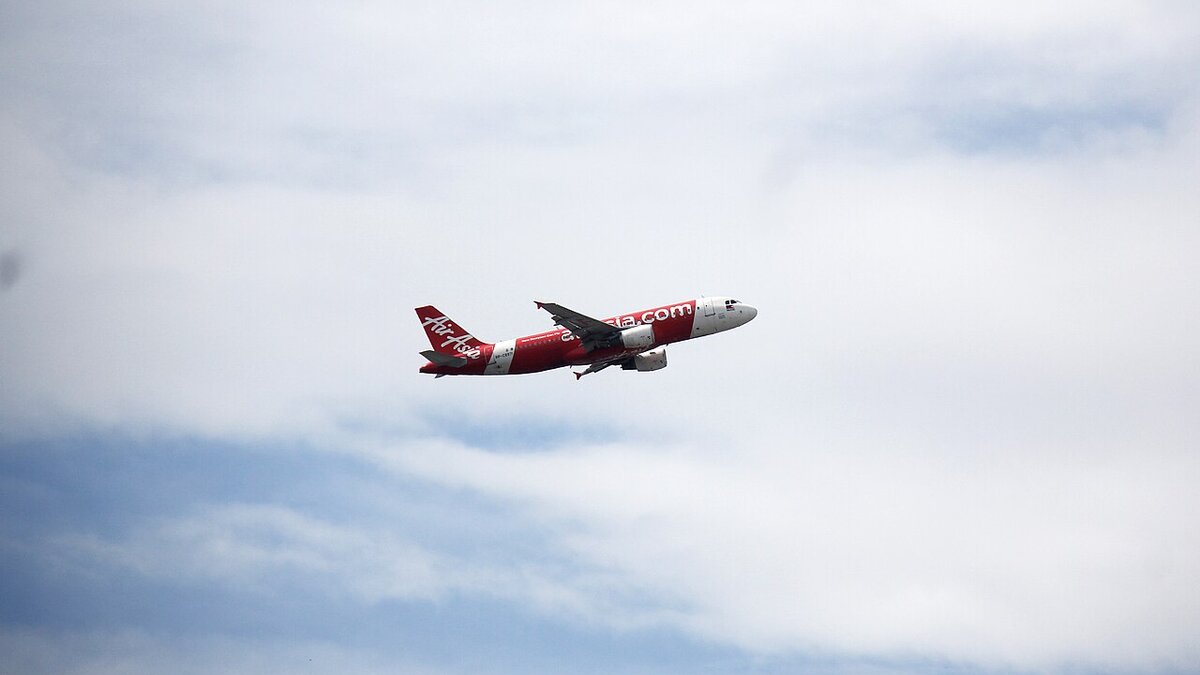 AirAsia and Tourism Authority of Thailand Sign Three-Year Pact to Push Traffic Into Secondary Cities
04 Aug 2026
AirAsia and Tourism Authority of Thailand Sign Three-Year Pact to Push Traffic Into Secondary Cities
04 Aug 2026

Post a comment