

Do you tip in Thailand? Tipping is not required but appreciated. Leave 20 to 50 baht when no service charge applies, and know when the 10 percent charge replaces a tip.
Cover image: a restaurant table in Thailand — photo by Alex Kovacheva, CC BY-SA 4.0, via Wikimedia Commons.
Do you tip in Thailand? No, you do not have to, but small tips are appreciated and often expected in tourist areas. Thailand has no compulsory tipping culture. Many mid-range and upscale restaurants and hotels add a 10 percent service charge plus 7 percent VAT to the bill. When that charge is present, an extra tip is optional. When there is no service charge, leaving 20 to 50 baht for good service, or rounding up a fare, is the everyday norm.
Think of tipping as a thank you rather than a wage subsidy. Staff in Bangkok, Phuket and Chiang Mai are used to visitors from tipping and non-tipping countries, so a modest amount given with a smile and the wai gesture lands well. Coins and small notes are useful because change can be scarce at night markets and on islands.
Do you tip in Thailand restaurants and street food stalls?
Check the bill first. If a line says “service charge 10%”, that is the house pool for staff. You do not need to add another 10 percent on top. A small extra of 20 to 40 baht for attentive service is still welcome. If there is no service charge, which is common at local restaurants and food stalls, tipping is more expected.
- Local restaurants without service charge: Leave 20 to 50 baht on the tray or add it when paying. For a 300 baht meal, 20 baht is typical.
- Upscale restaurants with service charge: Round up or leave 20 to 100 baht for standout service, not a full percentage.
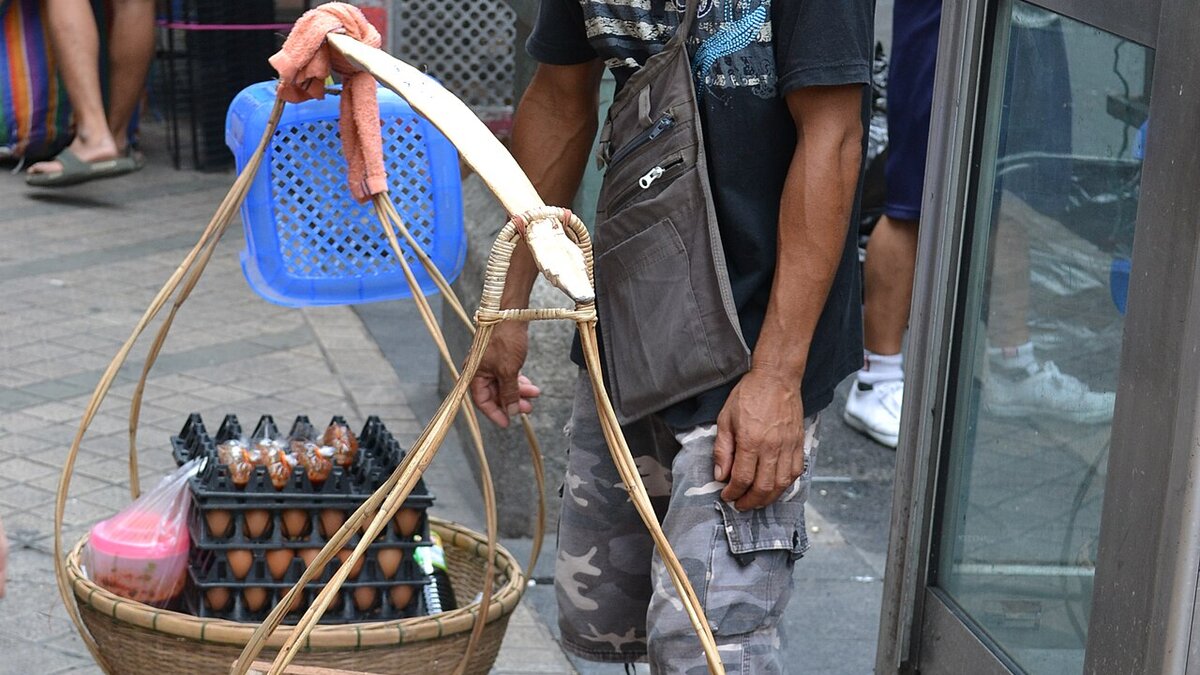
- Street food and night markets: No tip needed. Rounding up to the nearest 10 baht or saying “keep the change” is polite.
- Bars and cafes: Leave the coins or 20 baht in the tip jar for table service; not needed for takeaway.
Do not tip with coins that include the King’s image tossed on the counter. Place notes or coins neatly, or hand them to the cashier. Similar etiquette applies across the region, and our Japan tipping guide shows the opposite extreme where tipping can even be refused.
Do you tip in Thailand hotels, taxis and tour guides?
| Situation | Typical tip in 2026 | Note |
|---|---|---|
| Hotel porter | 20 to 50 baht per bag | Hand at check-in, 50 baht for large bags to upper floors |
| Housekeeping | 20 to 100 baht per night | Leave on the pillow with a note, not needed if service charge on room |
| Taxi and app rides | Round up 10 to 20 baht | For metered taxis, rounding the meter is customary |
| Tour guide and driver | 200 to 500 baht per day for a group | Give to guide at end of day, separate tip for driver if private car |
| Spa and massage | 50 to 100 baht | Higher for 90 minute treatments or hotel spas |
Hotels in Bangkok and the islands increasingly list a 10 percent service charge plus VAT. In those properties, tipping is less expected, but porters and housekeeping still appreciate a small amount. If you stay on points or a package, check the folio. The service charge may not be on your daily restaurant checks but on the final bill. For context on overall trip budgeting, see our Japan two-week budget guide for how tips and service charges shift a daily total, and Do you tip in Italy for a European comparison.
When should you not tip in Thailand?
Skip a tip when service was poor or when a clear service charge is already on the bill. Do not feel pressured by tip boxes or pre-ticked tip screens on card terminals. Thailand has no mandatory tipping law, and a polite “thank you” with the wai is never rude.
Also avoid over-tipping that breaks the local scale. Leaving 500 baht after a 200 baht meal creates an expectation that raises prices for Thai customers. Keep tips proportionate to the bill and to local wages. If a restaurant adds a large service charge and the staff were outstanding, a modest 20 to 50 baht says more than a large percentage.
Payment type rarely changes etiquette. Cash tips are preferred because card tips can take days to reach staff. If you must tip by card, write the amount clearly on the slip and keep a copy. For taxis, app rides in Bangkok and Chiang Mai round automatically where you can set a tip in-app. With metered street taxis, handing 10 to 20 baht extra after the meter reading is the quiet local habit.
How does Thailand tipping compare and what should you carry?
Compared with the United States, Thailand’s expectations are light. Compared with Japan, where tipping is rare, Thailand sits in the middle. Service workers in tourism rely partly on tips and service charges, so small amounts matter.
Carry small notes. Keep a few 20 and 50 baht notes separate from larger bills. ATMs in Thailand typically dispense 1,000 baht notes, which can be hard to break at markets. Exchange a small amount at a bank counter for change early in the day. If you are planning a multi-country trip, our cheapest time to visit Koh Samui and Bali visa guide help you sequence cash and cards between Thailand and Indonesia without roaming ATM fees.
Frequently asked questions
Do you tip in Thailand if there is a service charge?
Not required. The 10 percent service charge is the pooled tip. Add 20 to 50 baht only if service was excellent.
How much do you tip a taxi driver in Thailand?
Round up 10 to 20 baht or let the driver keep the change from a small note. For longer private transfers, 50 to 100 baht for careful driving and luggage help is generous.
Do you tip at a Thai massage shop?
Yes, 50 to 100 baht per therapist is common for a one hour massage. Leave it directly with the therapist or in the room’s tip envelope.
Is tipping in Thailand expected from Indian tourists?
The same amounts apply regardless of nationality. A modest cash tip is understood as appreciation and is never treated as obligatory.



Post a comment