

The US State Department's new Birth Tourism Prevention Task Force has revoked nearly 900 visas in its first week, as a permanent B-1/B-2 visa bond of up to $20,000 reshapes visitor screening.
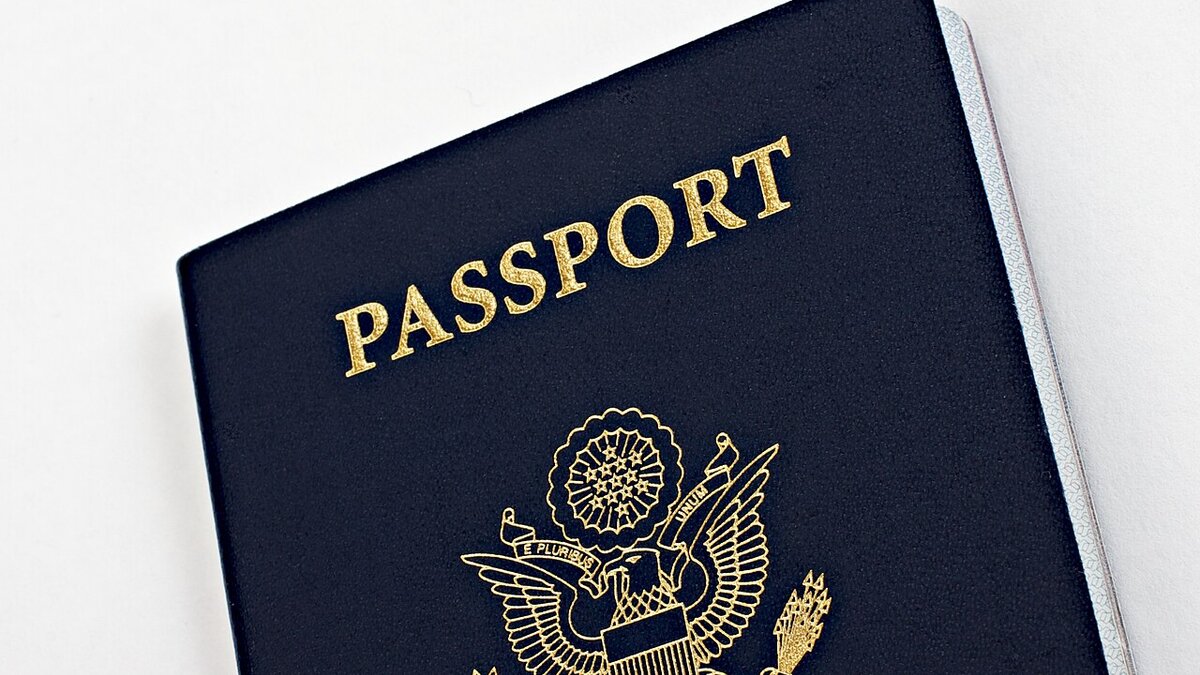
Cover image: Cover of a blue United States passport book — photo by Tony Webster, CC BY-SA 4.0, via Wikimedia Commons.
The United States' birth tourism visa crackdown is escalating quickly. The State Department's new Birth Tourism Prevention Task Force, announced on 13 August 2026, had revoked nearly 900 visas by 19 August, a department spokesperson said — up from the "more than 600" cited in the launch announcement a week earlier. The unit reviews the activity of visa holders worldwide, drawing on data held across the State Department and other federal agencies including the Department of Homeland Security (DHS), and revokes the visas of people it concludes have engaged in — or facilitated — travel to the US primarily to give birth so a child acquires American citizenship. The push lands weeks after another consequential change for inbound travel: on 3 August 2026 the department made its B-1/B-2 visa bond pilot permanent, allowing consular officers to require refundable bonds of up to $20,000 from visitor-visa applicants from roughly 50 designated countries. Together, the measures mark the sharpest tightening of US visitor-visa screening in years.
What is the Birth Tourism Prevention Task Force?
According to the State Department's 13 August release, the task force exists to ensure non-immigrant visas "are used only for their lawful and intended purposes" and to prevent their exploitation through birth tourism. It works in three ways:
- Worldwide review: analysing and connecting information held across the State Department and other federal agencies, including DHS, to identify visa holders whose travel patterns suggest birth tourism.
- Revocation: cancelling the visas of individuals found to have engaged in or facilitated the practice. Revocation can happen after a visa is issued and even after previous trips were completed without incident.
- Network enforcement: targeting the commercial operations that profit from the practice. The department says facilitators sometimes market themselves as doulas, midwives or wellness providers while advertising "birth in the US" packages, and in some cases forge medical documents or coach clients on concealing their travel purpose.
The department noted at launch that a single US embassy in North Africa had revoked more than 100 visas for birth-tourism-related reasons. The figures sit inside a wider enforcement picture: the department says it has revoked more than 175,000 visas in total since January 2025, most commonly after law-enforcement encounters.
How many visas have been revoked?
The number is moving fast, which is why early reports differ. The launch fact sheet on 13 August cited more than 600 revocations; by 19 August, State Department spokesperson Tommy Pigott put the running total at nearly 900. The department has not published a country-by-country breakdown, and there is no public data yet on how many of those travellers were outside the US at the time of revocation — the point at which a cancelled visa is most consequential, since it blocks boarding for the next trip.
| Date | Measure | Detail |
|---|---|---|
| 24 Jan 2020 | B visa rule change | Consular officers may refuse B-1/B-2 visas where the primary purpose is giving birth to obtain US citizenship for the child |
| Aug 2025 | Visa bond pilot | 12-month B-1/B-2 bond pilot launched, bonds of $5,000–$15,000 |
| 3 Aug 2026 | Bond made permanent | Final rule: refundable bonds of $10,000, $15,000 or $20,000 for applicants from ~50 designated countries |
| 13 Aug 2026 | Task force announced | Birth Tourism Prevention Task Force unveiled; 600+ visas already revoked |
| 19 Aug 2026 | Updated total | State Department cites nearly 900 revocations since the task force launched |
Can you be denied a US visa for being pregnant?
Pregnancy itself is not a ground of visa ineligibility, and travelling to the US while pregnant is not prohibited. The relevant standard dates to a rule effective 24 January 2020: consular officers may refuse a B-1/B-2 visa if they conclude the applicant's primary purpose is to give birth in the US to secure citizenship for the child. What changes now is enforcement intensity — reviews no longer stop at the visa interview. In practice, scrutiny tends to focus on:
- Purpose-of-travel consistency: stated plans that do not match itinerary, finances or travel history.
- Medical arrangements: travellers seeking medical treatment, including childbirth, must generally show they have arranged and can pay for care — unpaid US hospital bills from earlier visits are a red flag.
- Facilitator links: bookings or payments connected to packages advertising US births.
- Border questioning: US Customs and Border Protection (CBP) officers make their own admissibility decision on arrival and can refuse entry if they suspect misrepresentation.
Immigration lawyers' consistent advice for pregnant travellers with legitimate purposes — business meetings, family visits, events — is to carry evidence of the trip's purpose, a return booking, proof of medical insurance covering the US, and documentation showing ties to home. Answer questions directly; misrepresentation, not pregnancy, is what triggers refusal and future ineligibility.
What is the $20,000 visa bond?
The Visa Bond Program, permanent since 3 August 2026, lets consular officers require B-1/B-2 applicants from around 50 designated countries — a list weighted towards states with high overstay rates and which can change at short notice — to post a refundable bond of $10,000, $15,000 or $20,000, with $15,000 the expected default. The bond is returned in full if the traveller complies with their visa terms and departs on time or properly files for an extension or change of status. Skift reported that visas issued to nationals of the targeted countries fell about 83% during the pilot phase — a signal of how strongly bonds suppress demand. Our full guide to the scheme, including the country list and refund mechanics, is here: the US visa bond program explained.
What does it mean for travellers and the trade?
For most visitors — including travellers from the 40-plus Visa Waiver Program countries who enter on ESTA — nothing changes procedurally. The commercial risk is sentiment: layered enforcement headlines add friction to a US inbound market already digesting a run of new entry requirements in 2026 and higher fees. For agents and corporates the takeaways are concrete: warn visa-national clients that issued visas can be revoked between trips and advise checking status before ticketing; document trip purpose thoroughly for pregnant travellers; and steer clear of any intermediary marketing birth-related packages, since the task force explicitly targets facilitators as well as travellers.
Frequently asked questions
Is it illegal to travel to the US while pregnant?
No. Pregnancy is not a bar to a US visa or to entry, and there is no rule against flying to the US while pregnant. Since January 2020, however, consular officers can refuse a B-1/B-2 visa if they judge the primary purpose of travel is giving birth to obtain US citizenship for the child. Pregnant travellers with genuine purposes should carry evidence of that purpose, medical insurance and return plans.
How many visas has the birth tourism task force revoked?
Nearly 900 as of 19 August 2026, according to State Department spokesperson Tommy Pigott — up from the more than 600 cited when the Birth Tourism Prevention Task Force was announced on 13 August. The department has not released a breakdown by nationality, and the total is expected to keep rising as worldwide reviews continue.
Who has to pay the $20,000 US visa bond?
Only B-1/B-2 visitor-visa applicants from roughly 50 designated countries, mostly states with high overstay rates. Consular officers set the bond at $10,000, $15,000 or $20,000, with $15,000 the expected default. The bond is fully refundable if the traveller complies with visa conditions and departs on time. Visa Waiver Program travellers using ESTA are unaffected.
Can a US visa be cancelled after it has been issued?
Yes. The State Department can revoke a visa at any time when information indicates potential ineligibility, including suspected birth tourism, and the task force is reviewing existing visa holders worldwide using interagency data. A revocation usually surfaces when the traveller next tries to board a US-bound flight, so visa nationals should verify status before booking travel.
Sources
- US State Department — State Department Establishes Task Force to End Birth Tourism
- NTD — Nearly 900 Visas Revoked Since Launch of Birth Tourism Task Force
- South China Morning Post — US sets up task force to combat birth tourism, revokes more than 600 visas
- Federal Register — Visas: Visa Bond Program (final rule)
- Skift — U.S. Makes Visa Bond Program Permanent, Visas Granted to Targeted Countries Drop 83%


Post a comment