AirAsia's AK571 from Kuala Lumpur landed at Da Lat's Lien Khuong Airport on September 2, the first international flight after a VND1.03 trillion rebuild.
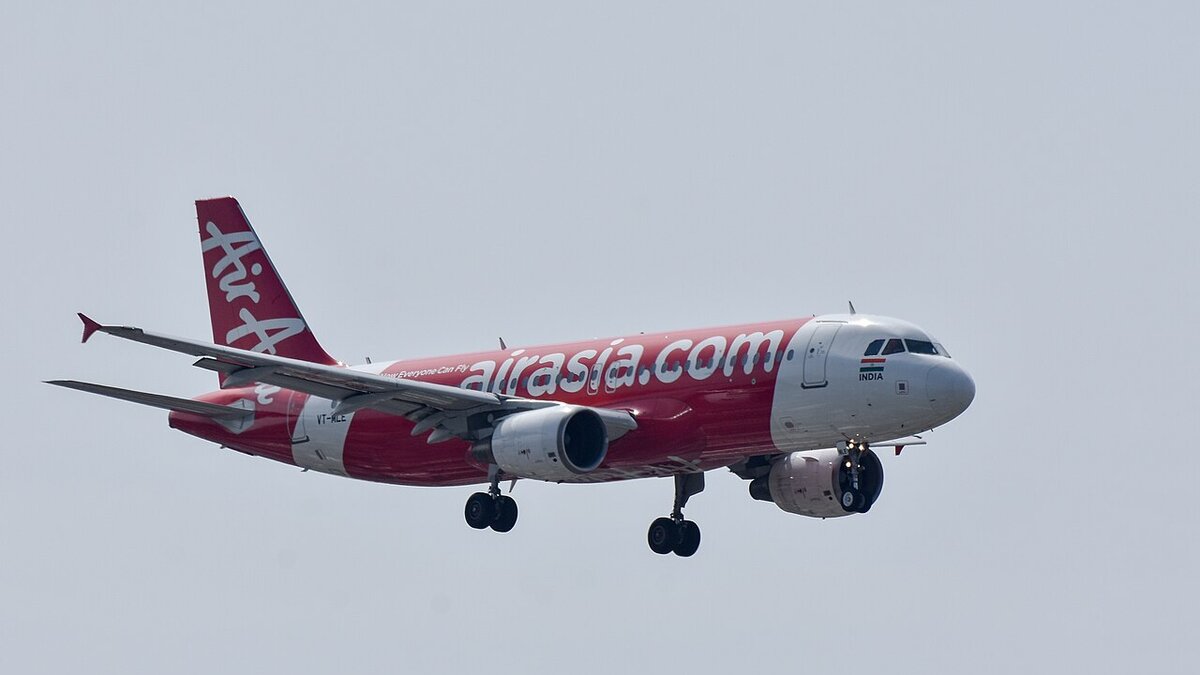
Cover image: an AirAsia Airbus A320 on final approach (representative image) — photo by This Photo was taken by Timothy A. Gonsalves. Feel free to use my photos, but please mention me as the author. I would m, CC BY-SA 4.0, via Wikimedia Commons.
International flights have returned to Da Lat. AirAsia flight AK571 from Kuala Lumpur touched down at Lien Khuong Airport at 10:58am on September 2, the first overseas arrival since the airport resumed operations after a near-six-month runway rebuild, with return service AK572 departing at 11:40am. The restart restores scheduled Da Lat-Kuala Lumpur links and gives Vietnam's Central Highlands its first direct foreign connection since the upgrade began.
The timing is deliberate. Landing on National Day placed the airport's comeback inside the holiday travel peak, and the airport is now the missing piece in a region whose tourism numbers are running hot: Vietnam is closing in on 16 million foreign arrivals for the first eight months of 2026.
Which international routes serve Da Lat now?
Kuala Lumpur operates four times weekly, and Singapore is scheduled to follow in December with three weekly services. For Indian travellers, the Kuala Lumpur link is the useful one: it plugs Da Lat into AirAsia's vast Indian network via a single stop, where the highland town previously required a domestic hop from Ho Chi Minh City or Hanoi.
Domestic connectivity restarted first. The airport resumed at midnight on August 19, restoring links to Ho Chi Minh City, Hanoi, Da Nang, Vinh, Hai Phong and Can Tho, including a Da Lat-Can Tho service paused for nearly six years. Our Vietnam trip-cost guide for Indian travellers shows how these domestic hops price out.
What did the VND1.03 trillion upgrade buy?
Work started March 4 and cost over VND1.03 trillion (about $39.24 million), centred on the 3,250m-by-45m runway 09/27 plus taxiways, runway safety areas, drainage, lighting and support systems. The rebuilt field can now handle Code C and D aircraft such as the Boeing 737 and Airbus A320 families at full allowable loads, the size classes that make low-cost international routes viable.
Capacity planning is correspondingly ambitious: 36 to 40 movements a day, about 6,800 travellers daily, and roughly 816,000 passengers across the final four months of 2026. For an airport that spent half the year silent, that is a full-throttle restart.
Why does this matter for highland tourism?
Da Lat has always been the awkward gem of Vietnamese itineraries: beloved for its cool climate, French villas, flower farms and coffee country, but reachable only by road or domestic flight. Direct Kuala Lumpur service puts it inside weekend-break range for Southeast Asian travellers and one-stop range for Indians, Australians and Middle Eastern visitors.
The upgrade also spreads tourism's load. Officials describe the restored links as new momentum for Lam Dong province through broader market reach, and the best months to visit Vietnam's highlands are exactly the dry season now approaching.
| Milestone | Date | Detail |
|---|---|---|
| Upgrade starts | March 4, 2026 | VND1.03 trillion runway and airfield works |
| Ops resume | August 19, 2026 | Domestic network back, incl. Can Tho after ~6 years |
| First intl flight | September 2, 2026 | AirAsia AK571 from Kuala Lumpur, 10:58am |
| Singapore launch | December 2026 | Three weekly services planned |
Frequently asked questions
Can I fly directly to Da Lat from outside Vietnam?
Yes, from Kuala Lumpur four times weekly on AirAsia, with Singapore service planned from December. Most other origins still connect via Ho Chi Minh City or Hanoi.
Which airlines fly to Lien Khuong Airport?
AirAsia operates the international link from Kuala Lumpur; Vietnamese carriers cover the domestic network to Ho Chi Minh City, Hanoi, Da Nang, Vinh, Hai Phong and Can Tho.
When is the best time to visit Da Lat?
The dry months from November to March bring cool, clear highland weather. The airport's December Singapore launch is timed for exactly that season.
How much capacity will the upgraded airport handle?
Near-term planning targets 36 to 40 aircraft movements a day and about 6,800 travellers daily, adding up to roughly 816,000 passengers across the final four months of 2026.