

Indian passport holders can visit Thailand visa-free for 60 days in 2026, with a 30-day extension and a mandatory TDAC card within 72 hours.
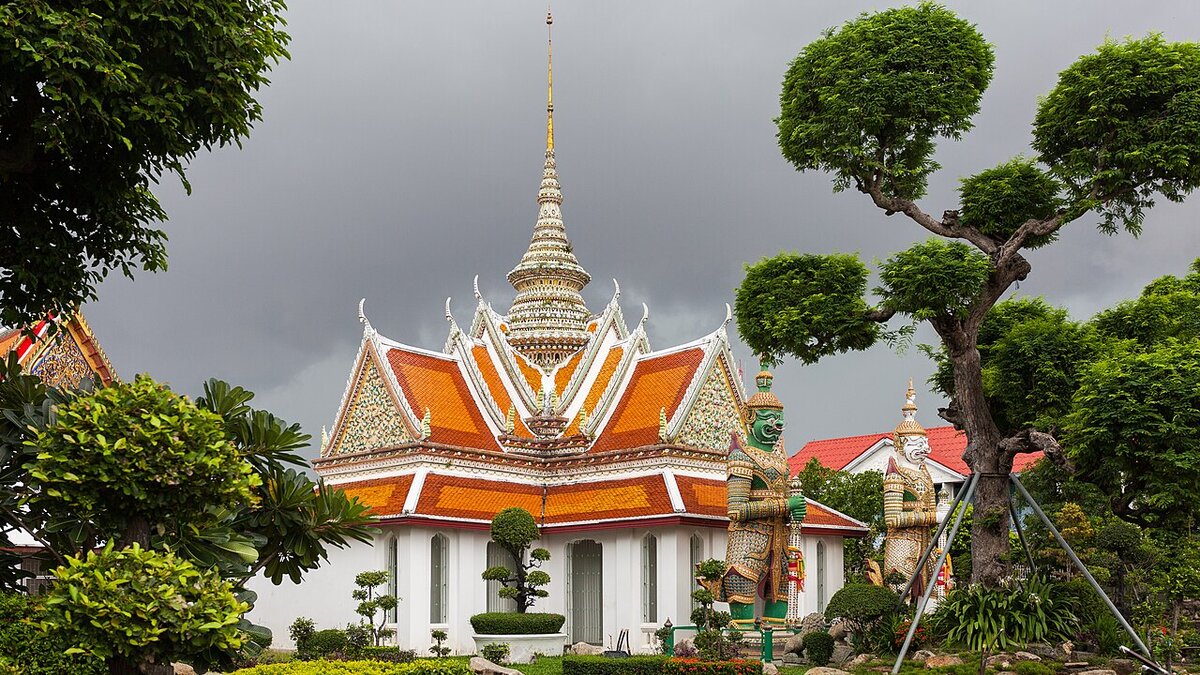
Cover image: Wat Arun temple on the Chao Phraya River in Bangkok, Thailand — photo by Diego Delso, CC BY-SA 3.0, via Wikimedia Commons.
No, you do not need a visa in advance if you are an Indian citizen visiting Thailand for up to 30 days in 2026. India is on Thailand's visa-exemption list of 93 nationalities. The country offered 60 days visa-free from 15 July 2024, but on 19 May 2026 the cabinet approved a return to 30 days visa-free for most visitors, including Indians, to curb misuse for unauthorised work. The 30-day stamp remains extendable once for 30 more days at an immigration office inside Thailand. You must still complete the free Thailand Digital Arrival Card (TDAC) within 72 hours before arrival, hold a passport valid for at least six months with two blank pages, show proof of onward travel and proof of funds if asked, and meet health requirements.
The 60-day window introduced in 2024 made Thailand one of the easiest short-break destinations from India. With the May 2026 rollback to 30 days, planning is still simple but long stays beyond 60 days total now require a proper visa. The stamp is granted at the discretion of the immigration officer at your port of entry in Bangkok, Phuket, Chiang Mai, Krabi or other checkpoints, not by an e-visa portal. If you want to stay longer than 60 days total or travel for work, study or long-term residence, you need a proper Thai visa applied for before you fly.
You must still complete the free Thailand Digital Arrival Card (TDAC) within 72 hours before arrival, hold a passport valid for at least six months with two blank pages, show proof of onward travel and proof of funds if asked, and meet health requirements.
How does the 60-day visa exemption work for Indians?
The visa-exemption stamp is issued on arrival at Suvarnabhumi, Don Mueang, Phuket, Chiang Mai or any of the 48 immigration checkpoints that handle visa exemption. There is no fee for the 60-day entry itself, unlike the 2,000 THB Visa on Arrival (VOA) which only gives 15 days. At the counter the officer checks your passport validity, your TDAC submission and may ask for a return or onward ticket within 60 days and evidence of adequate funds. Thailand's immigration rules list 10,000 THB per person or 20,000 THB per family as the threshold for visa-exempt visitors, although in practice many travellers are not asked to show cash if other documents are in order.
You can enter by air, land or sea under the same rule, and there is no limit on the number of times you use the exemption per calendar year, but back-to-back border runs are scrutinised. If an officer suspects you are living in Thailand on repeated exemptions, they can refuse entry. Always carry printed copies of your return flight, hotel booking for the first few nights and travel insurance if you have it, so you can satisfy the officer quickly.
What is the TDAC and when must you fill it?
Since 1 May 2025, the paper TM6 arrival card has been replaced by the Thailand Digital Arrival Card (TDAC) for all foreign nationals arriving by air, land and sea. You must submit it online at tdac.immigration.go.th within three days before arrival, not earlier. The system opened for submissions on 28 April 2025 and is free. Beware of copycat sites charging money. The official site warns that you should never pay for TDAC.
The form asks for passport details, flight or vehicle number, address of your first night in Thailand and a health declaration. After submission you receive a QR code to show at immigration along with your passport. Airlines also check TDAC at check-in in India, so complete it before you go to the airport. Children and infants need their own TDAC submission linked to the parent's application.
What do you need at the Thai border as an Indian traveller?
- Passport: ordinary Indian passport valid at least six months beyond entry with at least two blank pages.
- TDAC QR code: completed within 72 hours of arrival on the official portal.
- Return or onward ticket: dated within the 60-day permission.
- Proof of funds: 10,000 THB per person or 20,000 THB per family if requested, plus proof of accommodation for at least the first night.
- No prior overstay ban: previous overstay in Thailand can lead to re-entry refusal.
Indian travellers transiting airside through Bangkok without clearing immigration do not need TDAC or the exemption if they stay in the transit area. If you must change airports (Suvarnabhumi to Don Mueang) or clear immigration, the exemption applies.
Can you extend the 60-day stay and what does overstay cost?
Yes. Inside Thailand you can apply for a 30-day extension at any immigration office for 1,900 THB before the initial 60 days expire, taking the total to 90 days. Bring your passport, TM30 receipt from your hotel, one photo and a completed TM7 form. Offices in Bangkok (Chaeng Watthana), Phuket Town, Chiang Mai and Pattaya handle extensions, but queues are longest in high season from November to February.
Overstay is fined at 500 THB per day to a maximum of 20,000 THB, payable at the airport. An overstay of more than 90 days triggers a one-year re-entry ban, rising to longer bans for repeated cases. Do not rely on paying the fine at departure as a plan. Thai immigration records overstay electronically and shares it with airlines.
| Option for Indians | Stay granted | Fee | Best for |
|---|---|---|---|
| Visa exemption (stamp on arrival) | 30 days + 30-day extension possible (up to 60 days total) | Free for stamp, 1,900 THB for extension | Holidays up to 60 days |
| Visa on Arrival at port | 15 days, not extendable beyond 30 days total | 2,000 THB | Short urgent trips if exemption not viable |
| e-Visa (applied online before travel) | 60 days per entry, multiple entries possible | Varies by visa type, around 2,500 THB online proof of 60,000 THB funds | Longer or repeated visits, business |
For most Indian tourists on a one to three week holiday, the free 60-day exemption is simpler and cheaper than an e-Visa. Only choose the e-Visa if you want a paper visa in advance to avoid any question at the border, or if you need a multiple-entry visa valid for six months.
How is Thailand different from Bali and Singapore for Indian passports?
Thailand is now more generous than Do I Need a Visa for Bali (Indonesia), where most Indians buy a 500,000 IDR Visa on Arrival for 30 days and can extend once, and easier than Do I Need a Visa for Singapore from India, where Indians must apply before travel through authorised agents for a visa that costs SGD 30 plus fees and takes three to five days. Vietnam, covered in Vietnam E-Visa Requirements 2026, still requires an e-visa for Indians despite its new digital arrival card at Ho Chi Minh City. In health terms, check Do I Need Vaccinations for Thailand before you fly, as hepatitis A and typhoid are recommended while malaria tablets are only needed for remote border provinces.
Frequently asked questions
Can Indians really stay 60 days visa-free in Thailand in 2026?
India is on the 93-country visa-exemption list. From 15 July 2024 the stay was 60 days, but since the 19 May 2026 cabinet decision the allowance is 30 days for most visitors including Indians. The immigration officer stamps you for 30 days at the airport, and you can extend once for 30 days at an immigration office for 1,900 THB.
Is the TDAC mandatory for Indians and does it cost anything?
Yes, it is mandatory for all foreigners including Indians arriving by air, land or sea since 1 May 2025. It replaces the paper TM6 card and must be completed within 72 hours before arrival at tdac.immigration.go.th. It is free. Do not pay agencies that charge for it.
What if I have only five months left on my Indian passport?
Airlines will likely deny boarding in India and Thai immigration can refuse entry. Thailand requires six months validity beyond entry and at least two blank pages. Renew your passport in India first.
Can I convert the visa exemption to another visa inside Thailand?
No. A visa-exempt entry cannot be converted to a Non-Immigrant visa for work or education inside Thailand. You must leave and apply for the correct visa at a Royal Thai Embassy or Consulate before returning.



Post a comment