

American, Delta, United, Alaska, JetBlue, Southwest, Frontier and Hawaiian must respond by 25 August 2026 to letters from Rep. Frank Pallone demanding they explain whether AI and personal data shape the fares individual travellers see.
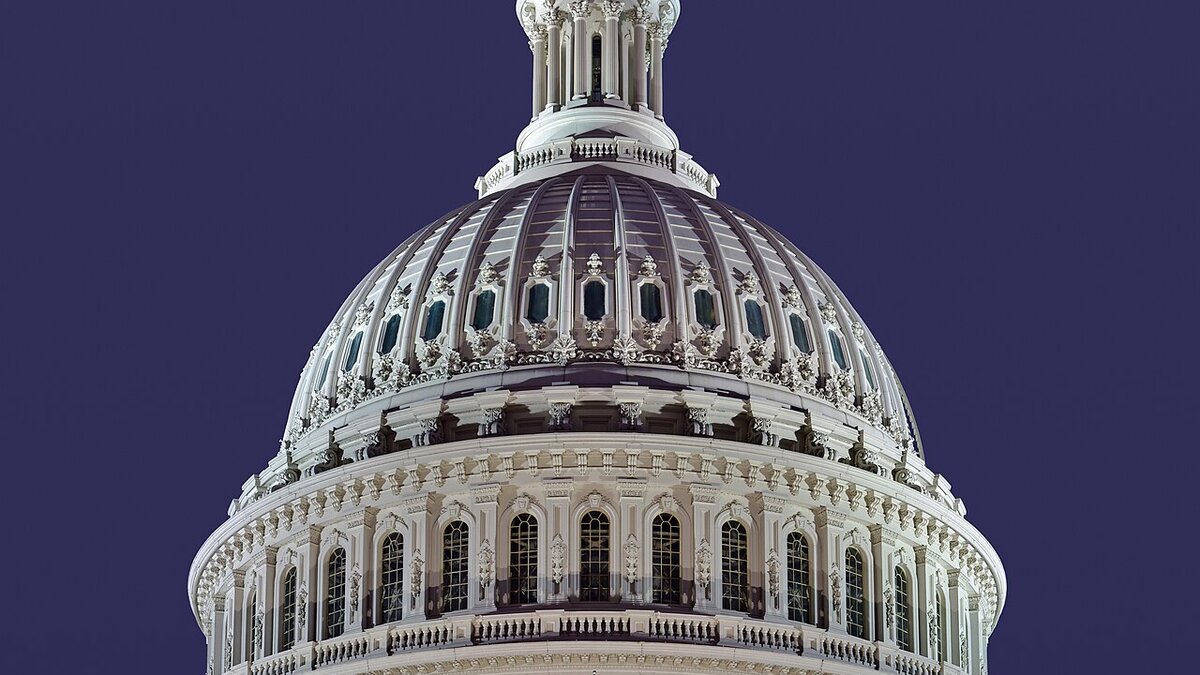
Cover image: Illuminated dome of the United States Capitol at night — photo by Diliff, CC BY 2.5, via Wikimedia Commons.
Eight of the largest US airlines face a deadline of Monday 25 August 2026 to answer a congressional airline AI pricing investigation into so-called "surveillance pricing" — the practice of using consumers' personal data to shape the ticket prices each individual shopper sees. Rep. Frank Pallone Jr. of New Jersey, ranking member of the House Energy and Commerce Committee, sent formal letters on 11 August to American, Delta, United, Alaska, JetBlue, Southwest, Frontier and Hawaiian, asking whether data such as income, spending history, location and browsing behaviour feeds into fare-setting. The letters expand an inquiry Pallone opened in May 2026, when he wrote to 25 companies across several industries about charging different people different prices for identical products. He also cited a study finding that one airline lifted its revenue by as much as 6 per cent using AI-based pricing informed by consumer data — a gain, he argues, that comes at travellers' expense.
What is airline surveillance pricing?
Surveillance pricing is not ordinary dynamic pricing. Airlines have adjusted fares by route, season, demand and remaining seats for decades. Surveillance pricing, as the US Federal Trade Commission defines it, goes further: using an individual consumer's own data — precise location, browser history, purchase history, demographics — to tailor the price that person is shown.
The FTC's staff study of the practice, published in January 2025, found that intermediary firms can draw on signals as granular as mouse movements on a web page and items abandoned in an online cart to help retailers set individualised prices. That study looked at pricing intermediaries generally, not airlines specifically — but it is the analytical backdrop to Pallone's letters. Whether any US airline actually prices tickets this way is, at this stage, alleged rather than proven.
Which airlines got the letters — and what must they disclose?
The eight carriers asked to respond by 25 August are:
- American Airlines
- Delta Air Lines
- United Airlines
- Alaska Airlines
- JetBlue Airways
- Southwest Airlines
- Frontier Airlines
- Hawaiian Airlines
Pallone asked each airline whether it uses consumer data — including income, spending history, location and browsing data — when setting prices, plus detail on how they deploy AI, how frequently fares change, which consumer data is weighted most heavily, and whether algorithmic prices get human review. "Consumers deserve to know if businesses are using their personal information to manipulate the prices they pay or experiment with algorithms to set the prices they see," Pallone said.
The letters are an oversight request, not a subpoena, and as ranking member of the minority party Pallone cannot compel responses. But it is the first time a senior House committee figure has formally asked the entire major US airline industry to account for AI in individual fare display.
Do airlines already use AI to set fares?
Yes — though how far it goes is the contested question. Delta has been the most public: the carrier has worked with Israeli pricing firm Fetcherr and told investors in 2025 it aimed to have AI assist pricing on about 20 per cent of its domestic network, up from roughly 3 per cent at the time. After a backlash — including a letter from Senators Ruben Gallego, Richard Blumenthal and Mark Warner — Delta stated it is not "using, and [does not] intend to use, AI for 'individualized' pricing or 'surveillance' pricing, leveraging consumer-specific personal data," and that no Delta fare product targets customers with individualised prices based on personal data. In Delta's telling, AI optimises the same demand-based pricing airlines have always done, faster.
The distinction between AI-assisted dynamic pricing and true individualised pricing is central to the whole debate — our explainer on how airline AI dynamic pricing actually works walks through where the line sits. The industry's appetite for pricing data is also growing on the supply side: see our coverage of Google's deal for Spirit Airlines data to feed AI systems.
What do the lawsuits allege?
Pallone's letters point to litigation as one reason for concern. A proposed class action against JetBlue, filed this spring in the US District Court for the Eastern District of New York, alleges the airline used tracking technology embedded in its website to collect personal information and engage in "dynamic surveillance pricing" — inflating fares based on an individual's browsing behaviour and apparent need to travel. The suit followed a viral April incident in which a customer said a fare jumped $230 while he tried to book travel to a funeral, and a JetBlue support account suggested clearing cookies or using an incognito window.
These are allegations, not findings. JetBlue has denied wrongdoing, calling the social-media reply an error and saying its fares "are not determined by cached data or other personal information" but by real-time availability and demand. The case has not been decided. Meanwhile, states are moving ahead of the courts: Maryland enacted the first state ban on surveillance pricing in April 2026, with Connecticut following in May.
What does this mean for travellers shopping for fares?
For now, there is no public proof that any US airline shows different people different prices based on their personal data — every named carrier that has commented denies it. Practical, evidence-based points for fare shoppers:
Fares genuinely change fast — demand-based repricing is real and accelerating with AI, so a fare that jumps overnight is not, by itself, evidence of personal targeting. The incognito-browsing question is disputed: airlines say cookies do not set fares, and controlled tests have struggled to reproduce the effect, but comparing a logged-out or second-device search costs nothing if you want peace of mind. What is not in dispute is your right to see the full price up front: US carriers must advertise the total fare including mandatory taxes — see our report on the DOT full-fare advertising rule. Whatever the airlines say on Monday, expect Democrats to use the answers — or the silence — to push surveillance-pricing legislation into the 2026 election season.
Frequently asked questions
What is the airline AI pricing investigation?
It is a congressional inquiry by Rep. Frank Pallone Jr., ranking member of the House Energy and Commerce Committee. On 11 August 2026 he sent letters to eight major US airlines asking them to explain, by 25 August, whether artificial intelligence and consumer data such as income, location and browsing history influence the fares shown to individual travellers.
Which airlines must respond by 25 August 2026?
American Airlines, Delta Air Lines, United Airlines, Alaska Airlines, JetBlue Airways, Southwest Airlines, Frontier Airlines and Hawaiian Airlines. The letters are oversight requests rather than subpoenas, so the airlines cannot be legally compelled to answer, but public silence would carry its own political cost as scrutiny of AI pricing grows.
Do airlines admit to using personal data to set fares?
No. Delta, the carrier most associated with AI pricing through its Fetcherr partnership, says it has never used and will not use consumer-specific personal data for individualised fares. JetBlue denies the surveillance-pricing allegations in a proposed class action against it. Claims that airlines price by personal profile remain alleged, not proven.
Does browsing in incognito mode get you cheaper flights?
The evidence is disputed. Airlines state that cookies and cached data do not determine fares, and independent tests have generally failed to show consistent price differences from private browsing. Fast-moving demand-based repricing explains most sudden fare jumps. Comparing searches across devices or logged-out sessions is a harmless check, but no proven money-saver.
Sources
- Pallone.house.gov — Pallone Presses U.S. Airlines for Answers on Surveillance Pricing
- The Hill — Top Commerce Committee Democrat presses airlines over AI 'surveillance pricing'
- Tech Times — Surveillance Pricing Probe Targets Eight Airlines With August 25 Deadline
- ClassAction.org — Class Action Lawsuit Alleges JetBlue Secretly Tracks Traveler Data for Dynamic Ticket Pricing
- Federal Trade Commission — Surveillance Pricing Study Indicates Wide Range of Personal Data Used to Set Individualized Consumer Prices
- Delta News Hub — Delta responds to misinformation around AI pricing




Post a comment