

Japan is raising its single-entry visa fee fivefold — from ¥3,000 to ¥15,000 — from 1 July 2026, with multiple-entry visas rising to ¥30,000, as it overhauls a long-static fee structure.
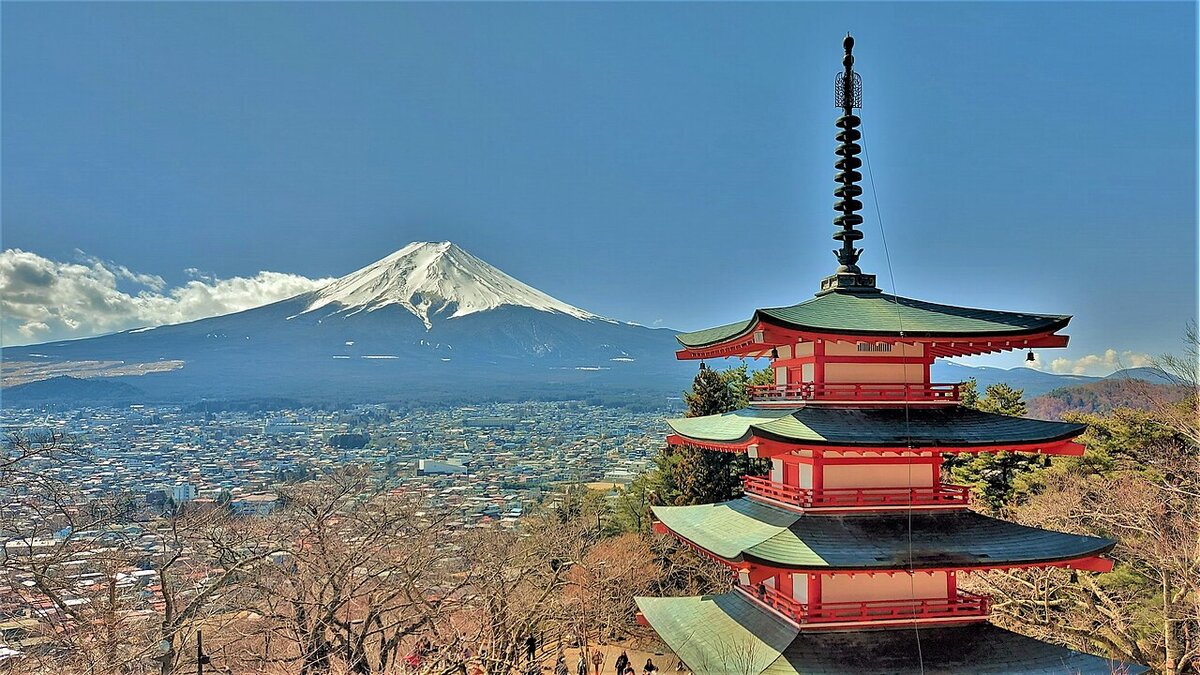
Cover image: Mount Fuji framed by the Chureito Pagoda in Japan — photo by Stjepko Krehula, CC BY 4.0, via Wikimedia Commons.
Travellers who need a visa for Japan are about to pay considerably more for it. From 1 July 2026, the country is raising its single-entry visa fee fivefold — from ¥3,000 to ¥15,000 — with multiple-entry visas rising to ¥30,000. The Japanese government approved the revised fee ordinance on 19 June 2026.
It is a steep jump for a fee that had remained largely static for years, and it lands as Japan navigates a record-breaking tourism boom that has brought both economic windfall and growing pains.
What's changing
The new structure is straightforward but substantial:
- Single-entry visa: ¥3,000 → ¥15,000 (a fivefold increase).
- Multiple-entry visa: rising to ¥30,000.
- Effective date: 1 July 2026.
Crucially, the change affects travellers from countries whose nationals require a visa to enter Japan. Visitors from the many nations that enjoy visa-free short-stay access — including much of Europe, North America and parts of Asia — are not directly hit by the fee itself, though the move signals a broader rethink of how Japan prices and manages inbound travel.
Why now
The increase reflects a confluence of pressures. Japan's tourism numbers have surged to historic highs, straining infrastructure in hotspots like Kyoto and Mount Fuji and fuelling a domestic debate about managing visitor volumes. Raising visa fees — which had not kept pace with inflation or with the cost of processing — is one lever among several the country is using to update its approach to a far larger tourism economy than the fee structure was designed for.
It also aligns Japan more closely with international norms, where visa fees in the ¥15,000-equivalent range are common rather than exceptional.
Part of a global repricing of access
Japan's move is the latest in a 2026 wave of entry-rule changes worldwide. From Thailand trimming its visa-free window to the spread of paid electronic travel authorisations, governments are increasingly treating border access as something to be actively managed and priced — balancing the economic value of tourism against the costs it imposes.
What it means for travellers
If you need a visa for Japan, budget for the higher cost and factor it into trips planned from July onward — particularly for multiple-entry holders and frequent visitors. If you travel visa-free, the immediate financial impact is nil, but it is worth watching how Japan's broader visitor-management policies evolve as the boom continues.
The bottom line
A fivefold visa-fee increase is a notable shift for a country that has spent recent years courting record tourist numbers. For visa-required travellers, Japan just became more expensive to enter; for everyone, it is another sign that the cost and conditions of international travel are being quietly reset across 2026.


Post a comment