SAF production is set to reach about 2.4 million tonnes in 2026 — still just 0.8% of jet fuel used — as IATA and ICAO deepen cooperation to scale aviation's key decarbonisation tool.
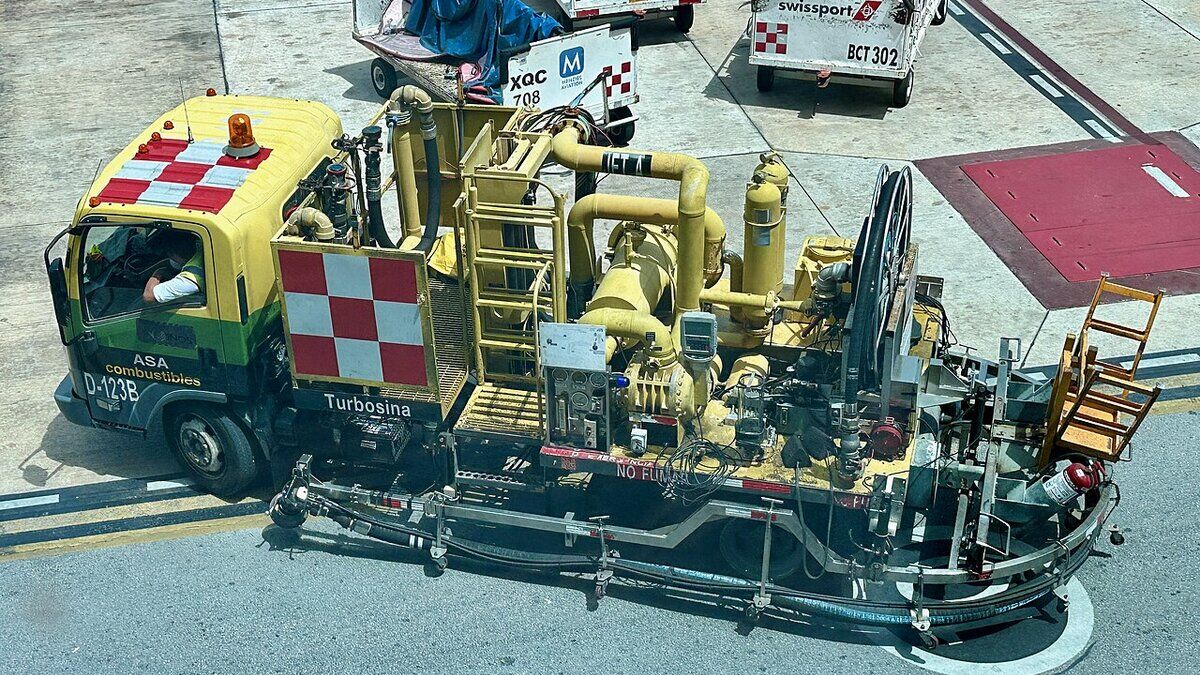
Cover image: an aircraft refuelling truck servicing a jet — photo by Oleg Yunakov, CC BY-SA 4.0, via Wikimedia Commons.
Sustainable aviation fuel is the great hope for cutting aviation's carbon footprint — and in 2026, it remains a rounding error. Global SAF production is expected to reach roughly 2.4 million tonnes this year, which sounds substantial until you set it against demand: that volume accounts for just 0.8% of total annual jet fuel consumption.
The gap between ambition and reality is the central tension in aviation's climate story. The industry has committed to net-zero carbon emissions by 2050, with SAF expected to deliver the single largest share of those reductions — yet the fuel is being produced at a fraction of the scale that goal requires.
Growth that is real but slowing
SAF output has been climbing fast in percentage terms. Production roughly doubled from 1 million tonnes in 2024 to 1.9 million tonnes in 2025, and is set to rise again to about 2.4 million tonnes in 2026. But the rate of growth is expected to slow — a worrying signal, because hitting net zero by 2050 demands not just continued growth but a dramatic acceleration in scale.
The challenges are familiar to anyone following the energy transition: limited feedstock, high production costs, the need for enormous capital investment in new refineries, and policy frameworks that don't yet move fast or far enough to make SAF competitive with conventional jet fuel.
IATA and ICAO close ranks
In June 2026, IATA and ICAO — the industry body and the UN's aviation regulator — pledged to deepen their cooperation on SAF, with a particular focus on transparency and integrity in tracking progress. The emphasis on credible accounting matters: as airlines make climate claims and governments design incentives, having trustworthy data on how much genuine SAF is being produced and used is essential to avoid greenwashing and to direct investment where it counts.
The feedstock and policy puzzle
Scaling SAF is as much about geography and policy as chemistry. Producing nations need the right incentives to build capacity, and major agricultural economies — Brazil prominent among them — have significant untapped potential to produce SAF feedstock at scale. Realising it, industry leaders stress, depends on supportive policy both domestically and globally, including frameworks that enable exports and reward production.
- 2.4 million tonnes of SAF expected in 2026.
- 0.8% of total jet fuel consumption — the scale problem in one number.
- Net zero by 2050 — the target SAF is meant to carry.
The bottom line
Sustainable aviation fuel is growing, and the institutional will to scale it is real. But at under 1% of jet fuel in 2026 — with growth expected to slow — the industry faces a stark reality check: the technology that is supposed to decarbonise flying is still being made in quantities far too small to matter. Closing that gap is the defining challenge of aviation's road to net zero.