

The Philippines is safe for tourists who stick to main islands and take normal big-city precautions. UK FCDO and US State Dept flag higher risk in western Mindanao and the Sulu Archipelago only — plus scams, road and ferry safety, typhoon and quake risk.
Cover image: tourists walking on a wide white-sand beach in Palawan, Philippines — photo by USAID Biodiversity & Forestry, Public domain, via Wikimedia Commons.
Is the Philippines safe to visit in 2026? Yes, for most tourist routes, with normal precautions. The UK Foreign, Commonwealth and Development Office (FCDO) and the US State Department both describe the Philippines as a country where the vast majority of visits are trouble-free, but flag higher risk only in western Mindanao and the Sulu Archipelago where they advise against all travel. The main risks for visitors to Palawan, Boracay, Cebu, Bohol, Siargao and Manila business districts are petty theft, scams, road and sea transport safety, and natural hazards like typhoon, earthquake and volcano activity. Plan around those and you will find the Philippines as easy to manage as Thailand or Bali.
If you are visiting Palawan and Cebu for 10 days, the answer is straightforward: stay on the standard tourist circuit, use vetted transport, watch for common scams at the airport and on beaches, follow PAGASA weather signals in wet season, and keep the usual health basics. The areas that carry a do-not-travel advisory are far from the beach resorts and are easy to avoid.
What do UK and US advisories say in 2026?
Both major advisories were last reconfirmed in 2025-2026 without a change to the map of higher-risk zones:
- UK FCDO: advises against all travel to western and central Mindanao and the Sulu Archipelago (including Basilan, Sulu, Tawi-Tawi and parts of Zamboanga and Lanao). It advises against all but essential travel to the remainder of Mindanao except for Davao City, Camiguin and Dinagat Islands. The rest of the country, including Luzon, Visayas, Palawan, Boracay, Cebu and Siargao, is not subject to a do-not-travel label.
- US State Department: places the Philippines at Level 2 — Exercise Increased Caution nationally, with a more severe label for the Sulu Archipelago and Marawi City, citing terrorism and kidnapping risk in those specific southern areas. Manila, Cebu and Palawan are Level 2, meaning go with awareness, not avoid.
- Australia Smartraveller and Canada: similar zoning, with routine cautions for urban petty crime elsewhere.
For context on how advisories work for neighbours, see Is Thailand Safe to Visit? 2026 Guide for Tourists and Is Bali Safe? 2026 Safety Guide, which explain why a Level 2 national label is the default for many popular countries and how to read the sub-regional map.
What are the real everyday risks for tourists?
The risks that actually affect beach and city itineraries are familiar big-city issues, not conflict:
- Petty theft and scams: pickpocketing in Manila, Cebu and at airports, bag-slashing on crowded ferries, fake tour or island-hopping sellers on White Beach, and inflated tricycle or taxi fares. Use ride-hailing (Grab) in Manila and Cebu, agree charter boat prices in writing, and keep valuables in a hotel safe.
- Nightlife and drinks: as in Thailand and Bali, keep drinks in sight and avoid unattended beverages. Scams involving bill padding and gem or timeshare sales are reported in tourist bars.
- Road safety: traffic in Metro Manila is heavy and lane discipline is loose. Avoid night buses on mountain routes to Banaue or Sagada. Wear helmets on scooters and check that the rental includes insurance; many do not.
- Sea and island-hopping safety: the Philippines moves millions by ferry and bangka. Operators vary. Choose licensed operators with life jackets for all passengers, check that boats do not overload, and reconsider a trip if the sea is rough or a PAGASA gale warning is up. It is the same sea-state caution we note in Best Time to Visit Philippines in 2026.
For Indian families, the pattern is similar to other SEA beach destinations. Stay in well-reviewed accommodation, use hotel-arranged drivers for late-night transfers, and keep copies of passports separate from originals.
Which places should you avoid or skip?
| Area | 2026 advisory | What it means for a holiday |
|---|---|---|
| Western Mindanao: Zamboanga Peninsula, Sulu Archipelago (Sulu, Basilan, Tawi-Tawi), central Mindanao | Do not travel (UK FCDO) / Level 4 Do Not Travel (US for Sulu) | Do not include in any tourist itinerary |
| Remainder of Mindanao except Davao City, Camiguin, Dinagat | Against all but essential travel (UK) | Skip unless you have a specific essential reason and local support |
| Palawan, Boracay, Cebu, Bohol, Siargao, Banaue, Manila Makati/BGC | No do-not-travel label; Level 2 national | Go with normal precautions, as you would to Thailand or Bali |
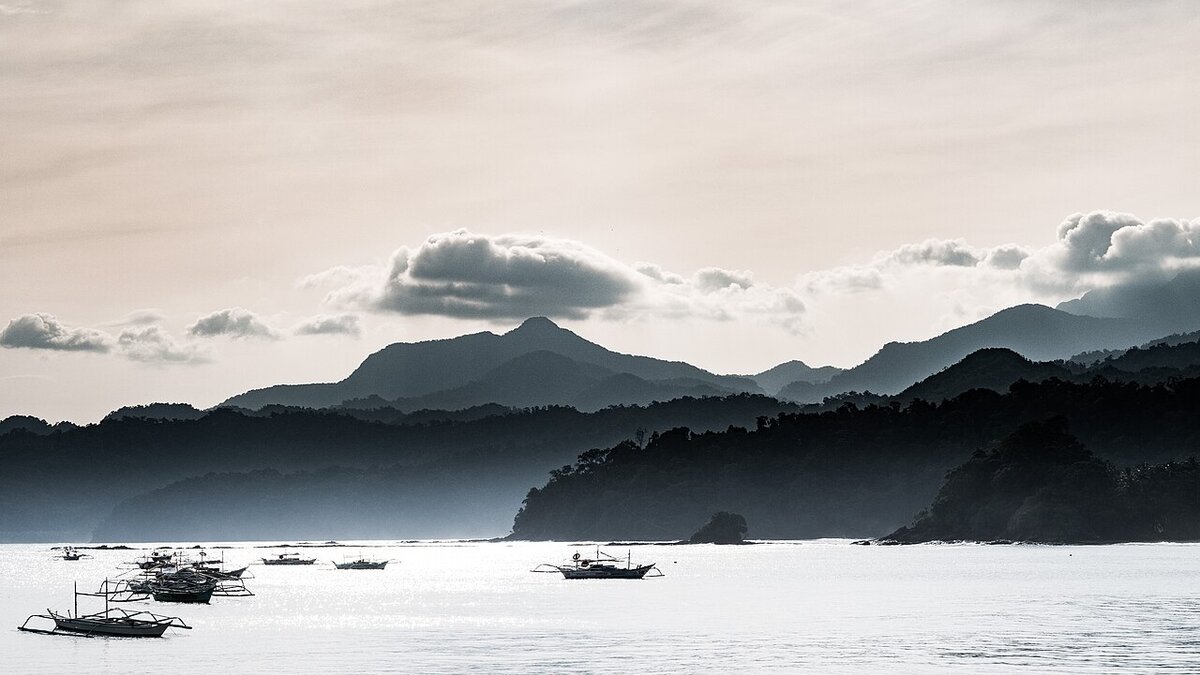
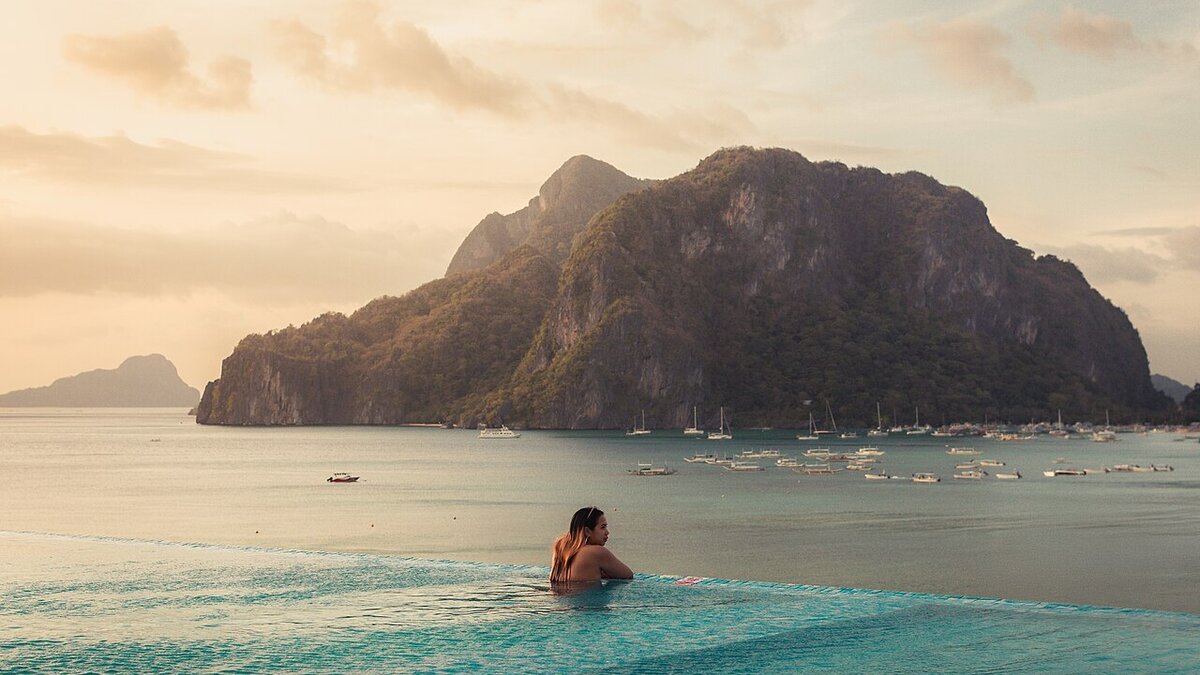
The beach islands that Indian travellers most often choose are not in the high-risk zones. Palawan's El Nido and Coron, Cebu's Mactan and Moalboal, Bohol's Panglao and Siargao's General Luna are all in the central Visayas and western Philippines, well north of the Sulu Archipelago.
How should you handle typhoons, earthquakes and volcanoes?
Natural hazards are the bigger planning factor:
- Typhoons: about 20 tropical cyclones enter the Philippine Area of Responsibility per year, 8-9 making landfall, most in July to October and most affecting northern Luzon. In dry season, typhoon disruption to Palawan or Cebu is unlikely. In wet season, keep a flexible day and follow PAGASA signals. See Best Time to Visit Philippines for seasonality.
- Earthquakes and volcanoes: the Philippines sits on the Ring of Fire. PHIVOLCS monitors Mayon, Taal and Kanlaon among others. A Level 1-2 alert often just means a danger zone around the crater, not a city evacuation. Check PHIVOLCS bulletins if you plan to hike a volcano.
- Health: no yellow-fever certificate is required from India, but routine vaccines (hepatitis A, typhoid, tetanus) and mosquito protection matter. Dengue peaks in the wet season. Carry repellent and consider travel insurance with medical evacuation, as inter-island air ambulance is expensive.
Practical preparation is the same across the region. Register your trip with your embassy if that service is available, share your island-hopping itinerary with someone at home, and keep a small emergency kit with copies of documents, cash and power bank.
Frequently asked questions
Is Manila safe for tourists in 2026?
Business districts like Makati and BGC are patrolled and used to visitors. Take the same precautions as in any large city: use Grab, avoid empty streets late at night, and keep phones and bags secure in markets and on public transport.
Is Palawan safe for solo travellers?
Yes. El Nido and Coron are low-crime for violent offences. The main issues are petty theft and sea safety. Book island tours with licensed operators that provide life jackets and clear itineraries.
Do I need to avoid Mindanao entirely?
You do not need to avoid Davao City, Camiguin or Dinagat, which are excluded from the higher advisory, but most holiday itineraries skip Mindanao altogether in favour of the Visayas. Avoid western Mindanao and the Sulu Archipelago.
What scams are common in the Philippines?
Airport and beach touts selling overpriced island-hopping, tricycle drivers quoting a per-person instead of per-vehicle fare, and bill padding in tourist bars. Agree prices in writing and use hotel-recommended boats and cars.
Sources
- UK FCDO — Philippines travel advice (safety and security, including Mindanao and Sulu Archipelago)
- US State Department — Philippines Travel Advisory (Level 2 nationally, higher risk for Sulu and Marawi)
- PHIVOLCS — Philippine Institute of Volcanology and Seismology bulletins
- PAGASA — tropical cyclone and weather advisories

Post a comment