

Airbus has nosed in front of Boeing on 2026 deliveries, handing over 262 aircraft through May against Boeing's 250 — but with a record backlog, the real contest is who can build fast enough.
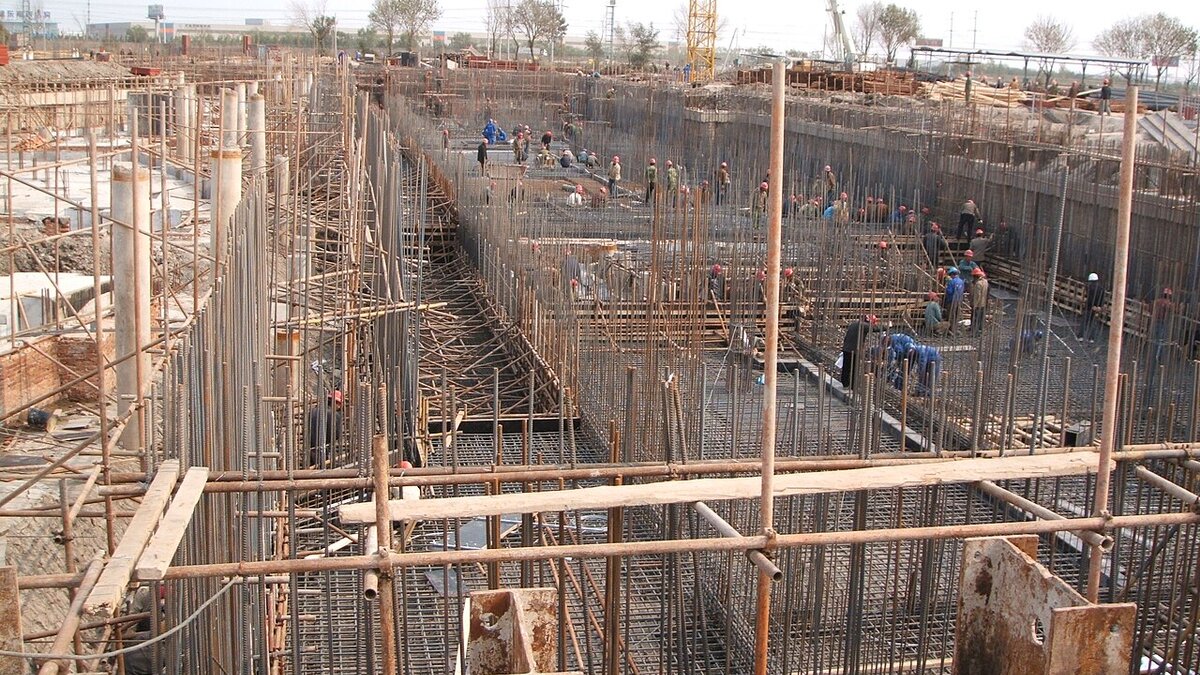
Cover image: an Airbus single-aisle jet on a final assembly line — photo by IGB Ingenieurgesellschaft, CC BY-SA 3.0, via Wikimedia Commons.
The two giants of commercial aviation are once again neck and neck — and at the midpoint of 2026, it is Airbus that holds the lead. Through the end of May, the European manufacturer had delivered roughly 262 aircraft against Boeing's 250, a gap that owes much to a strong May in which Airbus pushed out around 81 jets.
That lead, however, comes with an asterisk. Monthly delivery figures are notoriously lumpy, swinging on the timing of a handful of widebody handovers or a single strong week at the end of a quarter. A bumper June from either side could flip the running total again — and some analysts argue Boeing has quietly closed much of the gap on a rolling basis. The headline number matters less than the trend: both planemakers are delivering at a healthy clip into insatiable demand.
The A321neo is the jet everyone wants
If there is a single aircraft defining this cycle, it is the Airbus A321neo and its longer-range sibling, the A321XLR. The stretched single-aisle has become the most sought-after jet in the market, prized by airlines for the way it opens thin long-haul routes that could never justify a widebody. Carriers from North America to the Gulf are using it to fly point-to-point across oceans, reshaping networks around a narrowbody.
That demand is part of why Airbus's order book has run so hot — and why the delivery race is, in practice, a production race.
The real constraint: building fast enough
The headline duel obscures the bigger story. Across both manufacturers, the combined order backlog now stretches to well over a decade of production. Airlines have ordered far more aircraft than the supply chain can currently build, and that imbalance ripples through the whole industry — older jets stay in service longer, lease rates climb, and the fuel-efficiency gains promised by new-generation aircraft arrive later than airlines planned.
- Demand is not the problem. Order intake remains strong across narrowbody and widebody families.
- Supply is the problem. Engines, structures and skilled labour all constrain how fast finished jets roll off the line.
- The backlog is a buffer and a burden. It guarantees years of work but locks airlines into long waits for the aircraft they have already paid to reserve.
What it means for airlines and passengers
For carriers, the production crunch means fleet renewal plans slip and capacity growth is harder to time. For passengers, it helps explain why older, thirstier aircraft are still flying routes their operators hoped to have re-equipped by now — and why fares have stayed firm even as demand has surged.
The bottom line
Airbus is ahead on the 2026 scoreboard, but the more important contest is not between Toulouse and Seattle — it is between both planemakers and a supply chain that cannot yet keep up with the world's appetite for new aircraft. Whoever wins the delivery title this year, the backlog will still be measured in years when 2027 begins.


Post a comment