Qatar Airways is scaling its network to around 160 destinations for summer 2026, resuming routes such as Kuwait City as Gulf carriers race to capture peak-season demand.
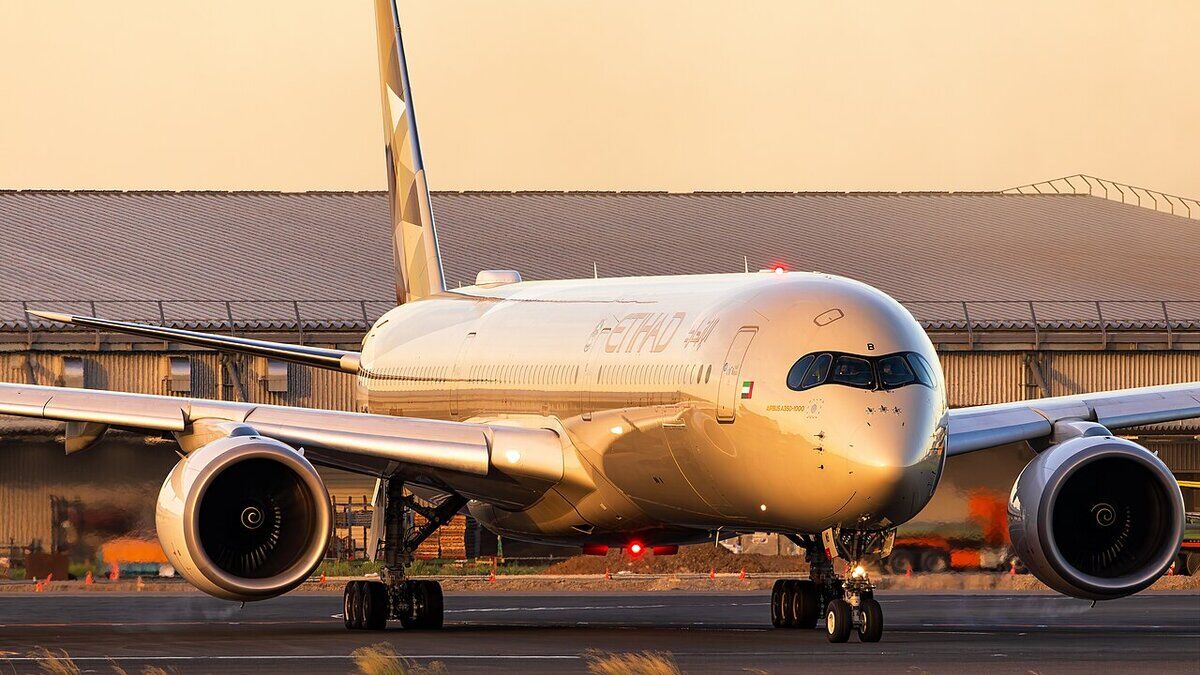
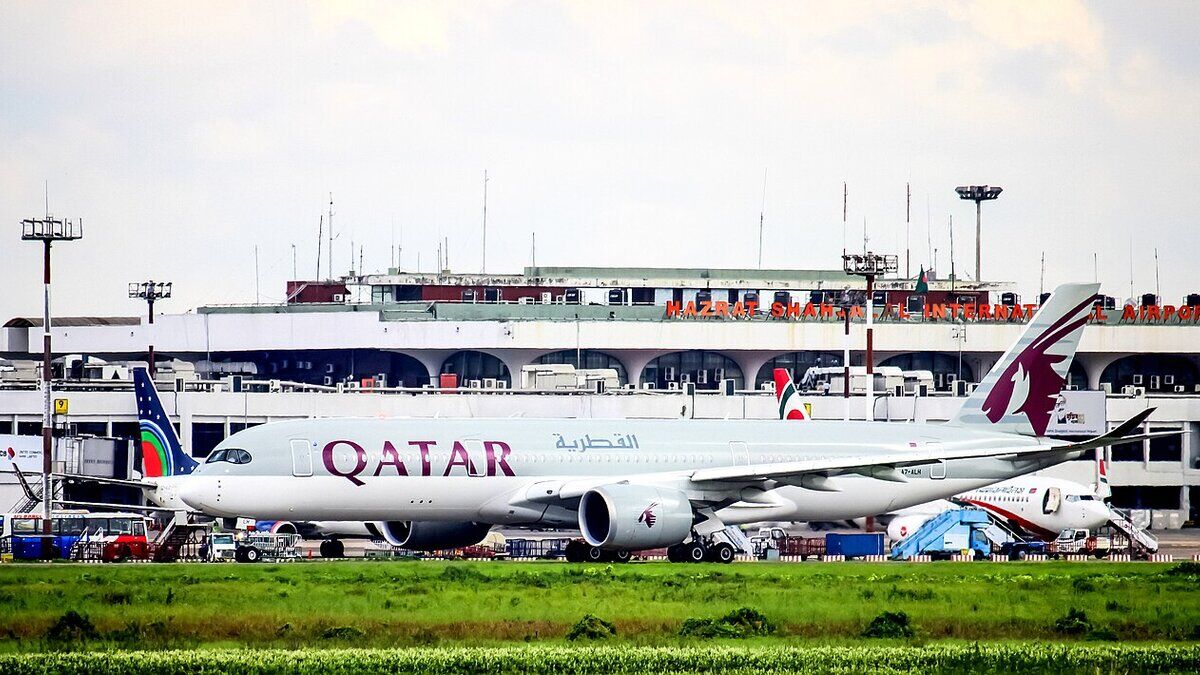
Cover image: a Qatar Airways Airbus A350 widebody — photo by Md Shaifuzzaman Ayon, CC BY-SA 4.0, via Wikimedia Commons.
Qatar Airways is going big for the summer. The Doha-based carrier is expanding its network to around 160 destinations for the peak 2026 season, restoring suspended routes — including Kuwait City — and adding frequencies as it positions its Hamad International hub to capture a surge in global travel demand.
The move is part of a coordinated Gulf-wide expansion. Alongside Emirates, Etihad, flydubai and Oman Air, Qatar Airways is racing to add capacity just as summer 2026 demand peaks and the region recovers from earlier airspace disruption.
Rebuilding and growing at once
For Qatar Airways, the summer schedule is both a recovery and an expansion. Routes that were trimmed or suspended during the period of regional disruption are coming back, while the carrier simultaneously deepens frequencies on high-demand corridors. The resumption of Kuwait City is emblematic: a short, high-frequency regional link that feeds long-haul connections through Doha and reconnects an important business and leisure market.
Reaching roughly 160 destinations puts Qatar Airways among the most extensively networked carriers in the world, with a hub model built on funnelling traffic between continents through a single, modern airport.
Why the Doha hub matters
Hamad International Airport is the engine of this strategy. The expansion leans on the airport's capacity to handle large waves of connecting passengers, allowing Qatar Airways to offer one-stop itineraries between Europe, Africa, Asia and the Americas. The more destinations the airline serves, the more valuable each connection becomes — a network effect that rewards scale.
- Restored regional links like Kuwait City rebuild the short-haul feed that powers long-haul connections.
- Around 160 destinations gives the hub dense connecting options across multiple continents.
- Peak-season timing aligns the expansion with the strongest demand window of the year.
The competitive picture
Qatar Airways' growth lands in the middle of an intense Gulf contest. Etihad is launching 27 new routes and lifting capacity by double digits, Emirates is expanding its own network and cargo fleet, and Riyadh Air has just entered the market. For travellers, the result is a region collectively adding seats, routes and product at a pace rarely seen — and competing hard for every passenger.
What it means for travellers
A larger network means more one-stop options through Doha and the return of regional routes that some passengers had lost during the disruption. As with all the Gulf carriers, the competitive intensity tends to keep premium products sharp and selective fares attractive on contested routes.
The bottom line
By scaling to around 160 destinations and restoring routes like Kuwait City, Qatar Airways is making a confident bet on summer 2026 demand. In a Gulf market racing to expand, the carrier is ensuring its hub stays at the centre of global connecting traffic.